

A motorcycle helmet is more than a legal or safety essential. For many riders, it’s also a significant investment — and one you don’t want to find missing when you return to your bike.
Helmet theft can be particularly frustrating on a motorbike trip or motorcycle tour, where you may be parking in unfamiliar towns, city centres, attractions and overnight stops. You might not know which areas are busy, where foot traffic drops off, or how secure a particular parking spot really is.
The good news is that a few changes to your parking and locking habits can make your helmet a much less attractive target.
In this guide, we’ll look at common motorcycle helmet theft locations and how to prevent helmet theft in each environment, from city centres and university campuses to workplaces and bike meets.
Where Are Motorcycle Helmets Most Likely to Be Stolen?

Helmet theft is a risk anywhere a helmet is left unattended and unsecured. However, some environments create more opportunities than others.
Busy public locations can give a thief anonymity, while quieter parking areas may give them more time without being noticed. Events and popular riding destinations can also bring large numbers of motorcycles — and expensive riding gear — into one place.
For touring riders, the challenge is that you may encounter several of these environments during a single journey.
Some of the locations where riders should pay particular attention to helmet security include:
-
City centres and busy urban areas, particularly when parking for extended periods.
-
University and college campuses, where motorcycles may be left in accessible parking areas throughout the day.
-
Workplaces, especially open or shared motorcycle parking.
-
Bike meets, rallies and motorcycle events, where large numbers of bikes and riding accessories are gathered together.
-
Touring stops and unfamiliar destinations, where you may not know the area or the level of foot traffic around your bike.
Rather than relying on the same routine everywhere, adapting your helmet security to your surroundings can provide a more practical approach.
City Centres: Don’t Let a Busy Location Create False Confidence
A busy street can feel safer because there are plenty of people around. But crowds can also make it difficult to notice somebody interfering with a motorcycle or picking up an unsecured helmet.
If you're stopping for lunch, sightseeing or exploring a new city during a motorcycle tour, avoid simply resting your helmet on the seat, handlebars or mirrors.
Look for motorcycle parking in visible, well-used areas rather than isolated corners. Where possible, secure your helmet directly to the motorcycle using a suitable lock rather than relying on visibility alone.
Consider how long you'll be away from the bike, too. A five-minute coffee stop and several hours exploring a city call for different levels of precaution.
Helmet security tip: Treat visibility as an additional deterrent, not a replacement for physically securing your helmet.
University Campuses: Plan for Long Periods Away From Your Bike

University and college campuses present a different challenge. A motorcycle may be parked for several hours while its owner is in lectures, studying or working elsewhere on campus.
That makes convenience important. If securing your helmet is awkward or time-consuming, it becomes tempting to skip the lock when you're running late.
A portable security solution that can remain in your riding kit can make locking your helmet part of your normal parking routine.
Choose a sensible parking position and, where possible, secure your helmet to a solid part of the motorcycle. Avoid leaving other valuable riding accessories openly displayed alongside it.
The aim is simple: make removing your helmet require more time and effort than simply picking it up and walking away.
Workplaces: Familiar Parking Still Deserves Security

Parking at the same workplace every day can create a sense of familiarity. But regularly leaving an expensive helmet unsecured in the same location can also create a predictable opportunity.
If your workplace has dedicated motorcycle parking, consider its location. Is it visible from the building? Is access restricted? Is the area busy throughout the day, or does it become quiet for long periods?
When you can't take your helmet inside, secure it consistently rather than deciding whether to lock it based on how safe the area feels that day.
Making helmet locking part of your everyday routine removes the temptation to take shortcuts.
Bike Meets and Motorcycle Events: Don't Assume Other Riders Mean Your Gear Is Safe
Bike meets, rallies and motorcycle events can feel like secure environments because you're surrounded by fellow riders.
But they're also places where large numbers of motorcycles, helmets, jackets and accessories are concentrated in one area.
When you leave your motorcycle to walk around an event, buy food or meet other riders, secure your helmet rather than leaving it sitting on the bike.
If you're travelling with friends, you can also agree to keep an eye on each other's bikes and equipment. Community awareness can add another useful layer of deterrence, but it shouldn't replace physically securing valuable gear.
Touring Stops: Adjust Your Security to the Environment
 Touring presents perhaps the widest range of situations.
One day, your touring bike might be parked outside a quiet rural café. The next, it could be in a crowded city centre or outside accommodation in an unfamiliar destination.
That makes adaptability particularly important.
Before walking away from the motorcycle, take a few seconds to assess the surroundings:
-
How long will you be away? Longer stops generally justify greater precautions.
-
How visible is the motorcycle? Avoid unnecessarily isolated parking spots.
-
Can you secure the helmet directly to the bike? Don't rely on balancing or hanging it somewhere inconvenient to remove.
-
Are other valuables visible? Think about jackets, bags and accessories as well as the helmet itself.
-
Could conditions change while you're away? Consider weather exposure as well as theft.
For long-distance riders, the best security routine is one that's practical enough to use repeatedly throughout the journey.
How to Prevent Helmet Theft
There is no single habit that can guarantee a helmet won't be stolen. Effective motorcycle theft prevention is about reducing opportunity and making your gear a less convenient target.
Lock Your Helmet Whenever You Leave It Behind
An unsecured helmet can potentially be taken in seconds.
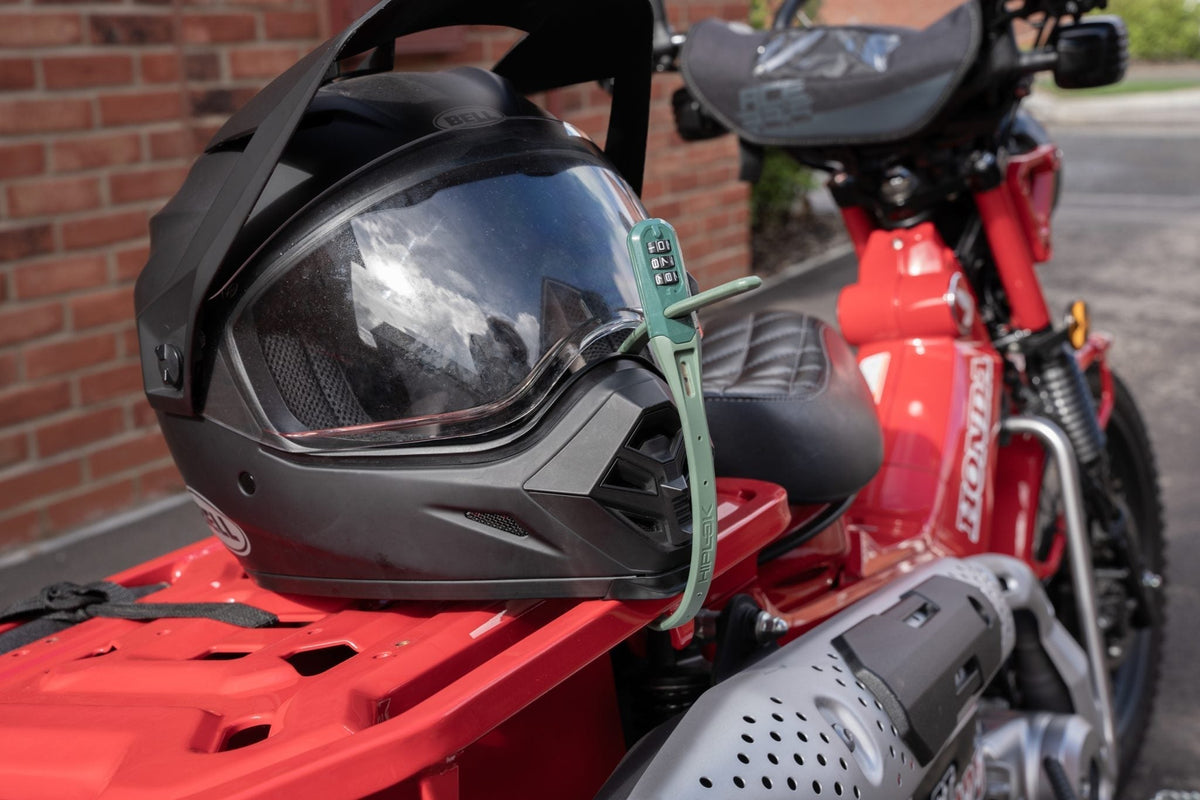
If you don't want to carry your helmet with you, physically securing it to your motorcycle should become part of your parking routine.
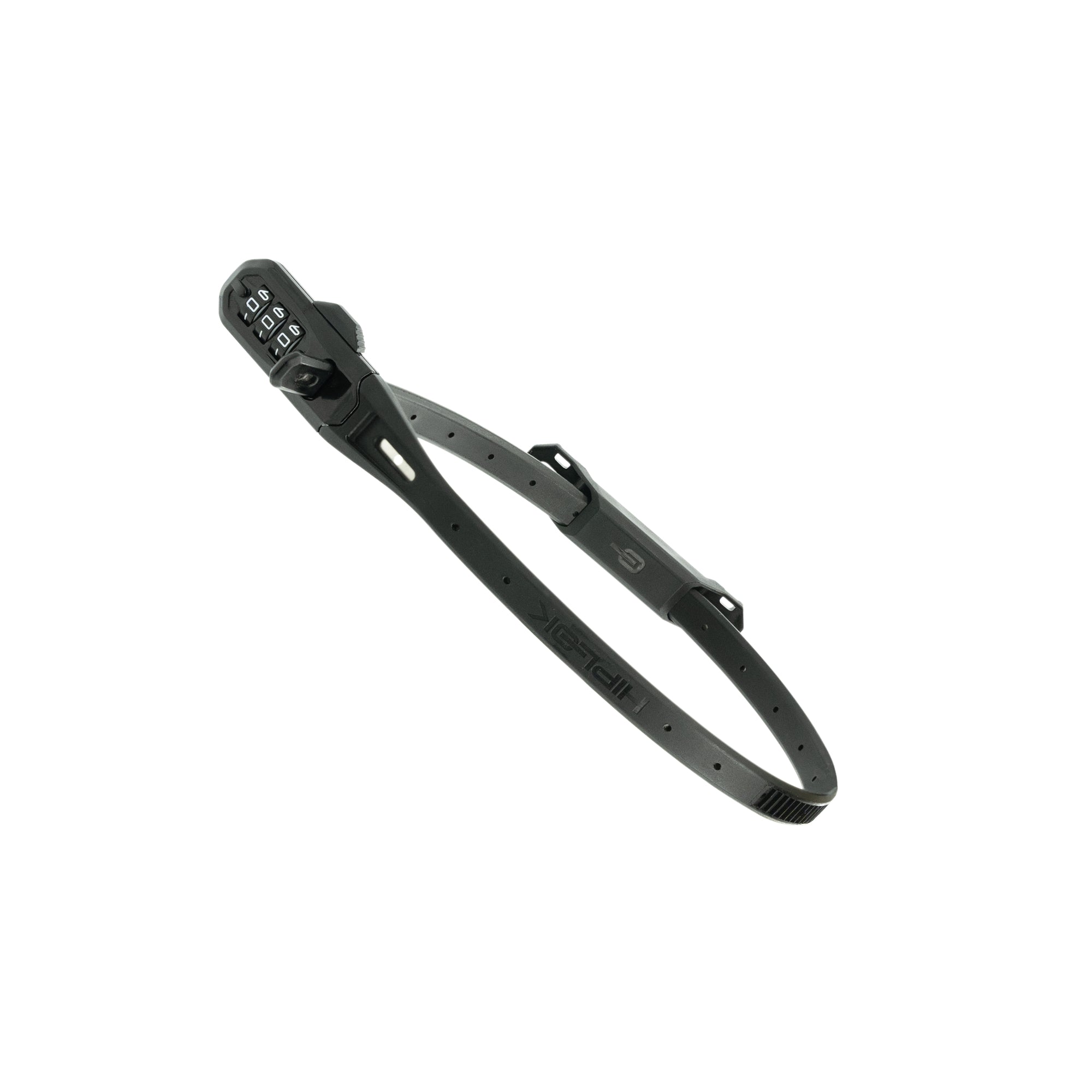
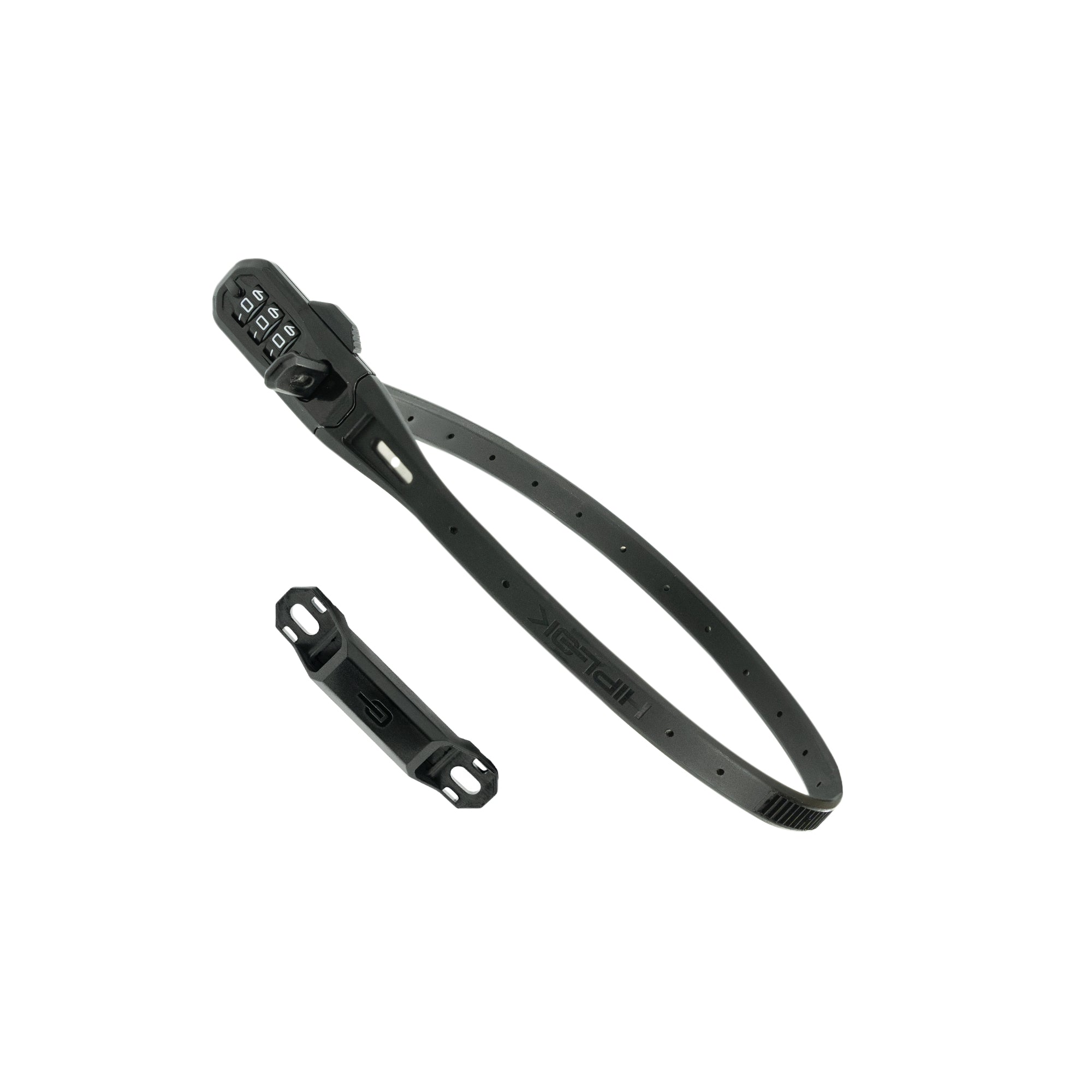
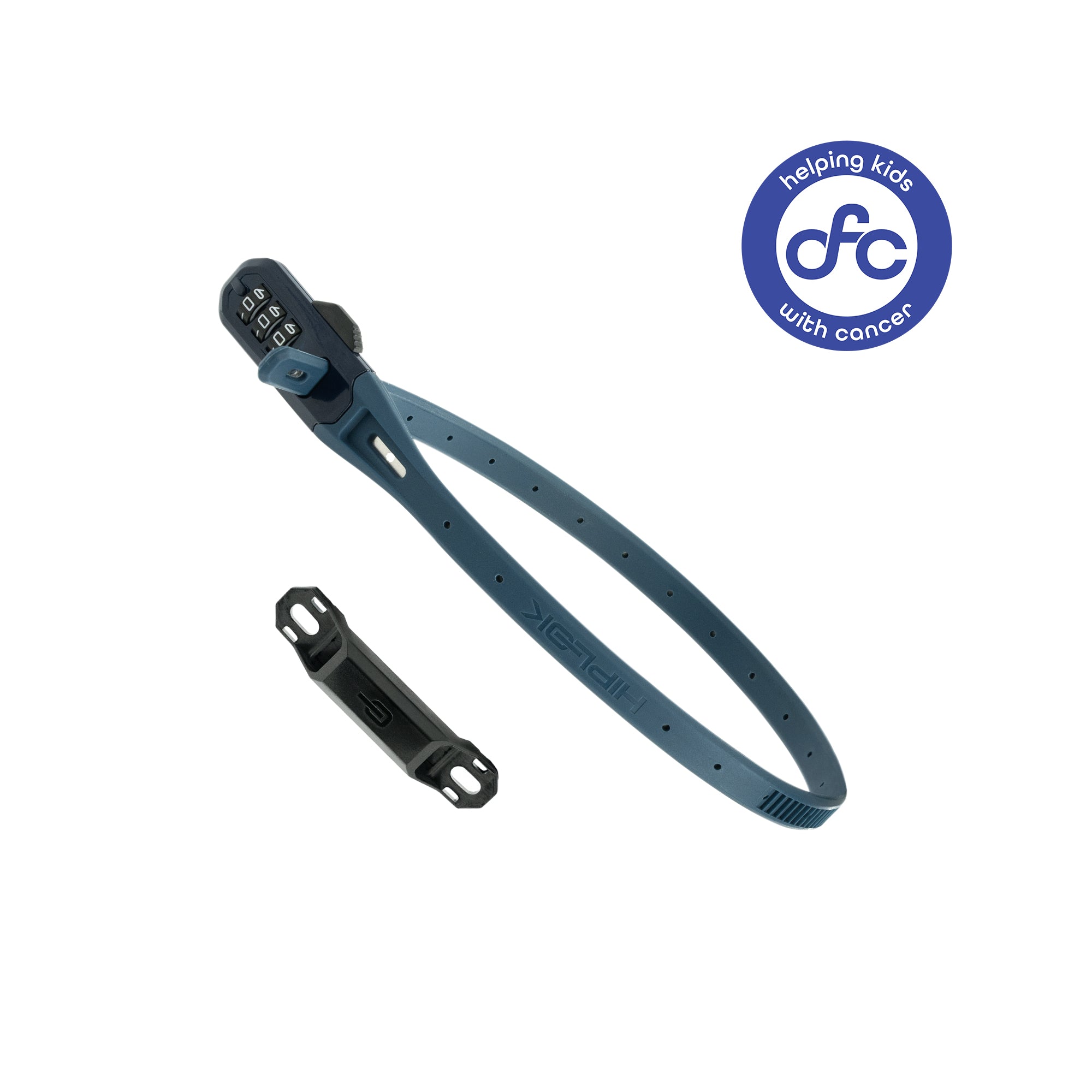
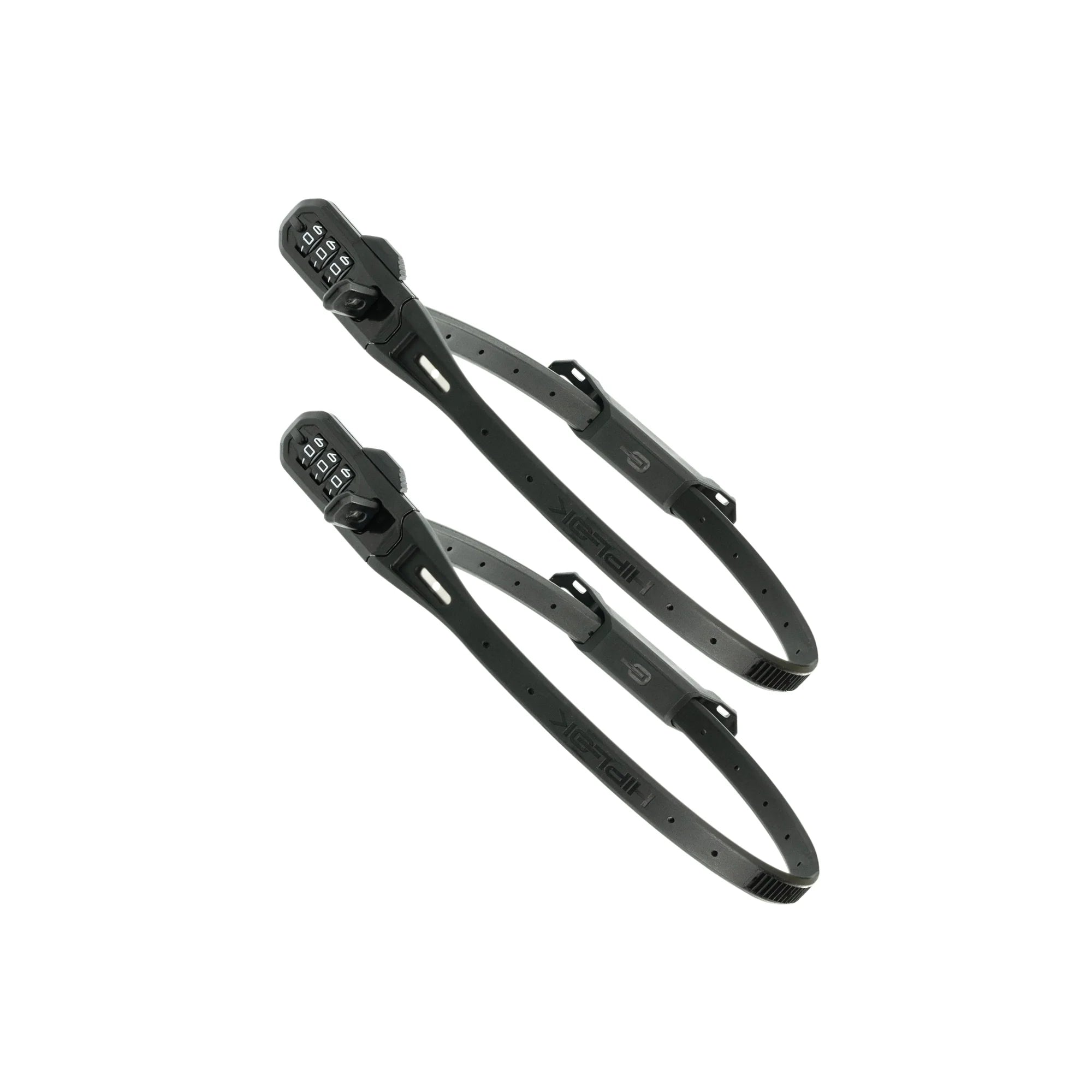
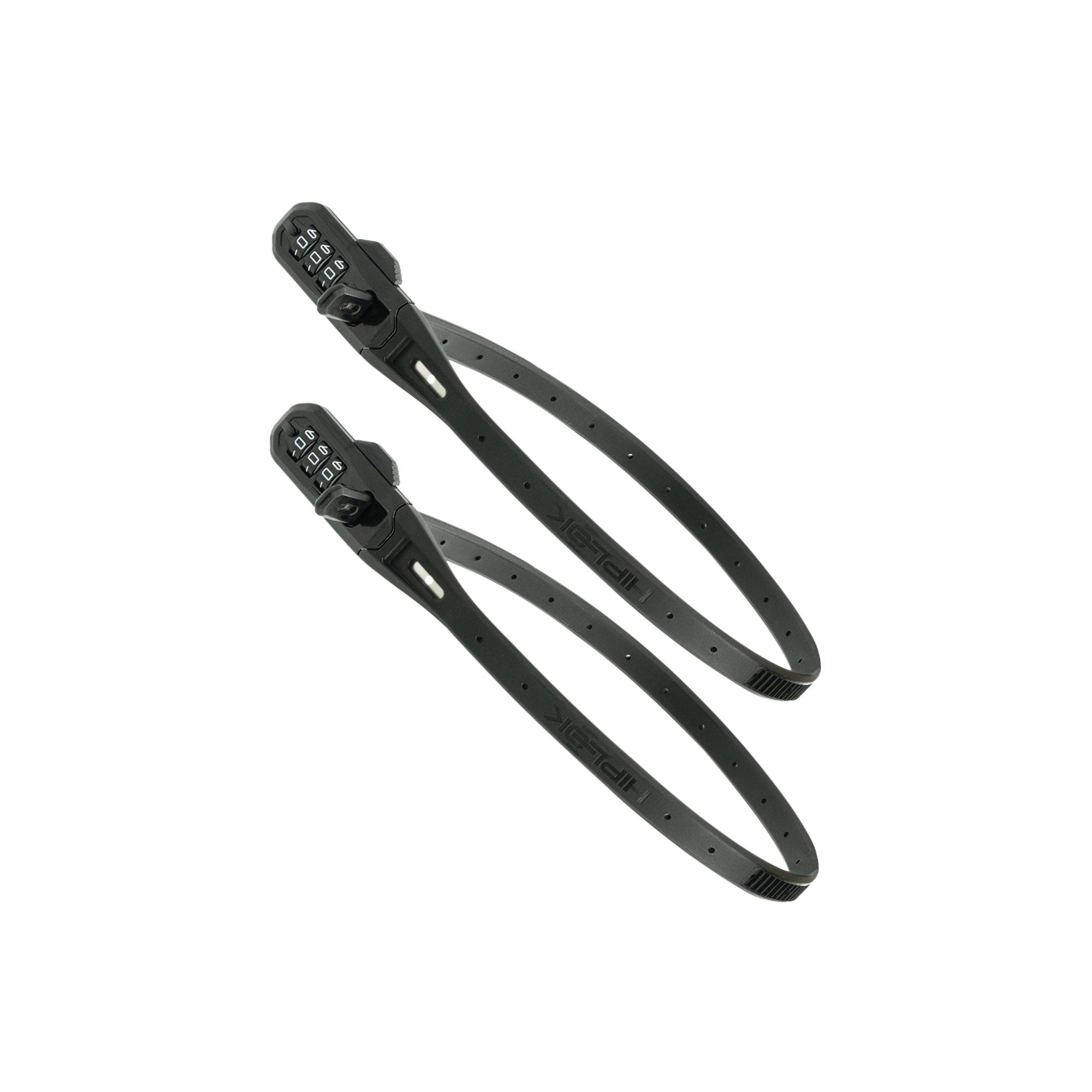
Explore our motorcycle helmet locks for portable options designed to help secure your gear while you're away from the bike.
Secure It to a Suitable Part of the Motorcycle
How you attach your helmet matters.
Choose a secure point on the motorcycle and position the helmet so the locking arrangement isn't unnecessarily exposed or easy to access.
You should also avoid placing the helmet somewhere it could damage the bike, obstruct hot components or be vulnerable to accidental knocks.
Think Beyond the Helmet
Touring riders often carry considerably more equipment than commuters.
Jackets, luggage and other accessories can all attract attention when left unattended. Before walking away, look at your motorcycle from the perspective of somebody passing by: what can be removed easily?
If you're travelling with additional equipment, see our guide to Locking Jackets, Bags and Accessories with Your Helmet Lock for more advice.
Consider Portability
Security equipment is only useful if you're willing to carry and use it.
For a long-distance motorbike trip, bulky equipment can compete with limited luggage space. A portable helmet security solution can therefore make it easier to maintain good locking habits across multiple stops.
Consider where you'll store the lock while riding and how quickly you can access it when you park.
Don't Ignore the Weather
Touring equipment has to deal with more than theft.
Rain, road grime and changing conditions can all affect equipment used outdoors, so durability and weather resistance are worth considering when choosing a security solution for regular touring use.
Your helmet's position matters too. Secure it somewhere that reduces unnecessary exposure to rain and avoids allowing water to collect inside it.
The Best Helmet-Locking Habit Is Consistency
It's easy to become selective about security.
You might lock your helmet in a busy city but leave it unsecured outside a rural café. You might secure it overnight but decide a quick fuel or food stop isn't worth the effort.
The problem is that you don't know in advance when an opportunistic theft might occur.
A more reliable approach is to establish a simple routine you can use whenever your helmet is left unattended.
Park. Assess the surroundings. Secure the helmet. Check your other gear. Then walk away.
When the process becomes automatic, good motorcycle gear safety doesn't have to add significant inconvenience to your journey.
Choosing a Helmet Security Solution for Touring
Touring riders need to balance security with practicality.
Before choosing a solution, consider:
-
Portability: Is it easy to carry on the motorcycle?
-
Ease of use: Can you secure your helmet quickly during frequent stops?
-
Durability: Is it suited to repeated outdoor use?
-
Weather resistance: Can it cope with the conditions you encounter while touring?
-
Versatility: Does it suit the way you normally park and secure your equipment?
Cost is naturally part of the decision, but it is worth comparing the price of security against the value of the helmet and gear you're protecting — as well as the disruption that losing essential equipment could cause during a long-distance trip.
Quick Helmet Security Checklist for Every Stop
Before leaving your motorcycle:
-
Choose a visible parking position where practical.
-
Don't leave your helmet loose on the seat, handlebars or mirrors.
-
Secure the helmet to the motorcycle when you're leaving it behind.
-
Check whether jackets, luggage or accessories are also vulnerable.
-
Consider how long you'll be away from the bike.
-
Adjust your security to the location and circumstances.
-
Use equipment that's practical enough to carry and use throughout your trip.
-
Consider weather exposure as well as theft.
A few extra seconds before walking away can help protect the equipment you depend on for the rest of your journey.
Motorcycle Helmet Theft FAQs
Where do motorcycle helmets get stolen most frequently?
Helmet theft can occur anywhere an unsecured helmet is left unattended. Riders should be particularly mindful in accessible public locations such as city centres, campuses, workplace parking and motorcycle events, as well as unfamiliar stops during longer trips.
What are common locations for helmet theft in urban areas?
Busy streets, public motorcycle parking and areas where a bike will be left unattended for an extended period deserve particular attention. A busy location shouldn't be assumed to be secure simply because other people are nearby.
How can I secure my motorcycle helmet at university?
If you can't take your helmet with you, secure it to the motorcycle using a suitable locking solution. Because campus parking often involves leaving the motorcycle for several hours, choose a security method that's convenient enough to use every day.
How can I prevent helmet theft at bike meets?
Don't assume that being surrounded by other riders automatically makes your equipment secure. Lock your helmet when leaving the bike and keep other removable riding equipment secured or with you.
What are the best helmet-locking habits?
Consistency is one of the most useful habits. Assess where you've parked, physically secure your helmet when leaving it unattended, check your other equipment and avoid relying solely on how safe a location appears.
How can I protect my helmet at work?
Take the helmet indoors when practical. If that's not possible, use a suitable security solution and secure it consistently rather than leaving it loose on the motorcycle throughout the working day.
What should I look for in a portable helmet lock?
Touring riders should consider portability, durability, weather resistance and ease of use. A practical solution should be easy enough to carry and operate that securing your helmet becomes part of your normal routine.
Does weather affect helmet security?
Outdoor security equipment may be exposed to rain, dirt and changing conditions, making durability and weather resistance important considerations. Think about the helmet itself too, and avoid positioning it where it can collect water or be unnecessarily exposed.
How should I secure my helmet during long-distance rides?
Adapt your approach to each stop rather than assuming every destination presents the same risk. Choose sensible parking, secure your helmet whenever you leave it behind and use a portable solution that you can realistically carry throughout your trip.
Protect Your Gear Wherever the Road Takes You
A motorcycle tour can take you from quiet countryside to crowded city streets in a matter of hours. Your helmet security needs to work across all of those environments.
Rather than trying to predict exactly where theft might happen, build good security into your normal parking routine. Pay attention to your surroundings, secure valuable equipment when you leave it behind and choose security products that are practical enough to travel with you.
Explore Hiplok motorcycle helmet locks and find a portable security solution for protecting your gear wherever your next ride takes you.

Share:
A Step-by-Step Guide to Locking Your Motorcycle with a D Lock
Avoid These Motorcycle Disc Lock Mistakes to Secure Your Bike