

A D lock is one of the most effective ways to secure your e-bike when you're out and about. Its rigid construction offers strong resistance to common theft methods, making it a popular choice for riders who regularly lock up in busy towns and cities.
But not all D locks offer the same level of protection. Security ratings, size, weight and resistance to angle grinders can vary significantly, and choosing the right one depends on where you park and how you use your e-bike.
If you rely on your e-bike for commuting, shopping or simply getting around, you want to know it's well protected when you leave it behind. In this guide, we'll explain how D locks work, how they compare with other bike locks and when they're the best choice for your security needs.
What Is a D Lock?

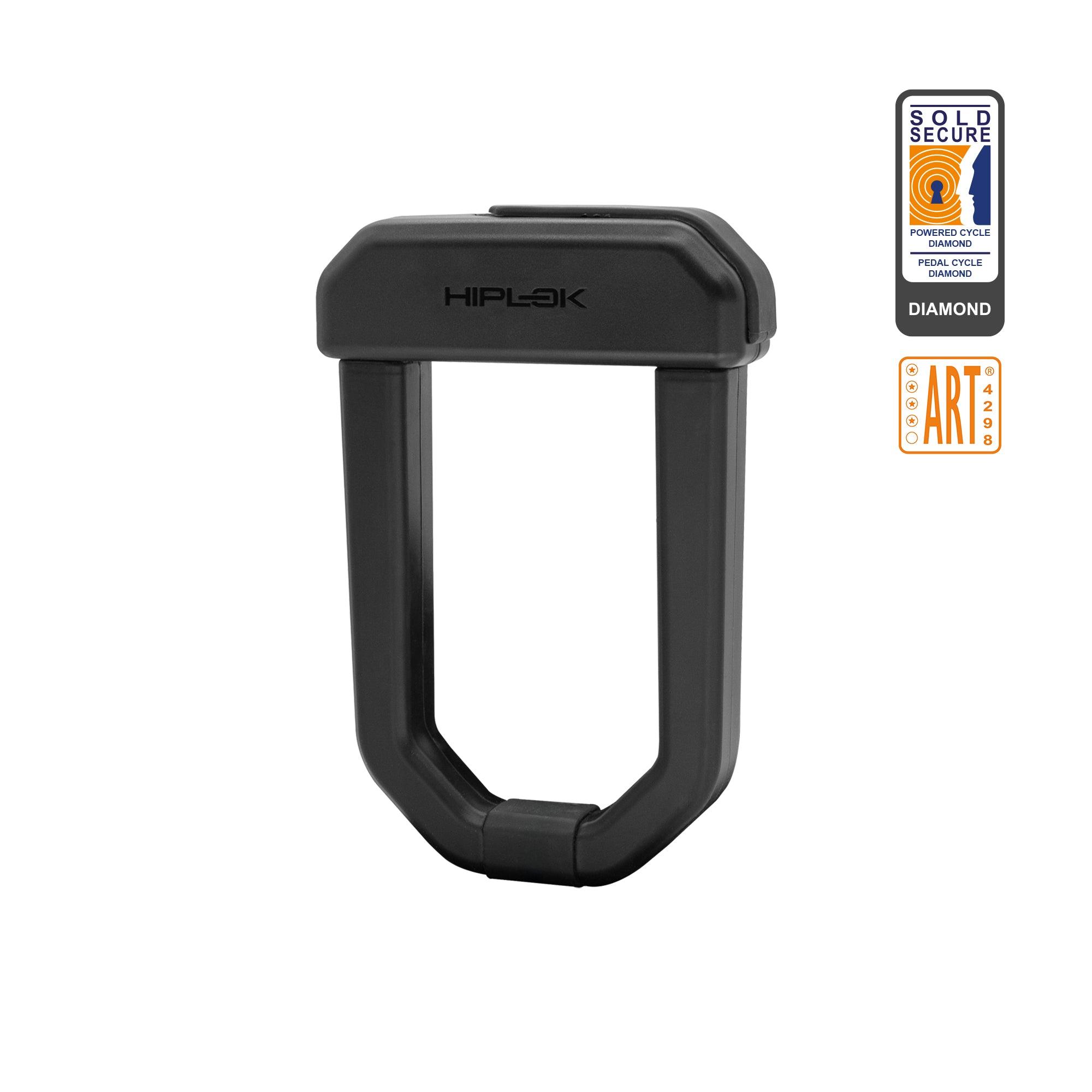
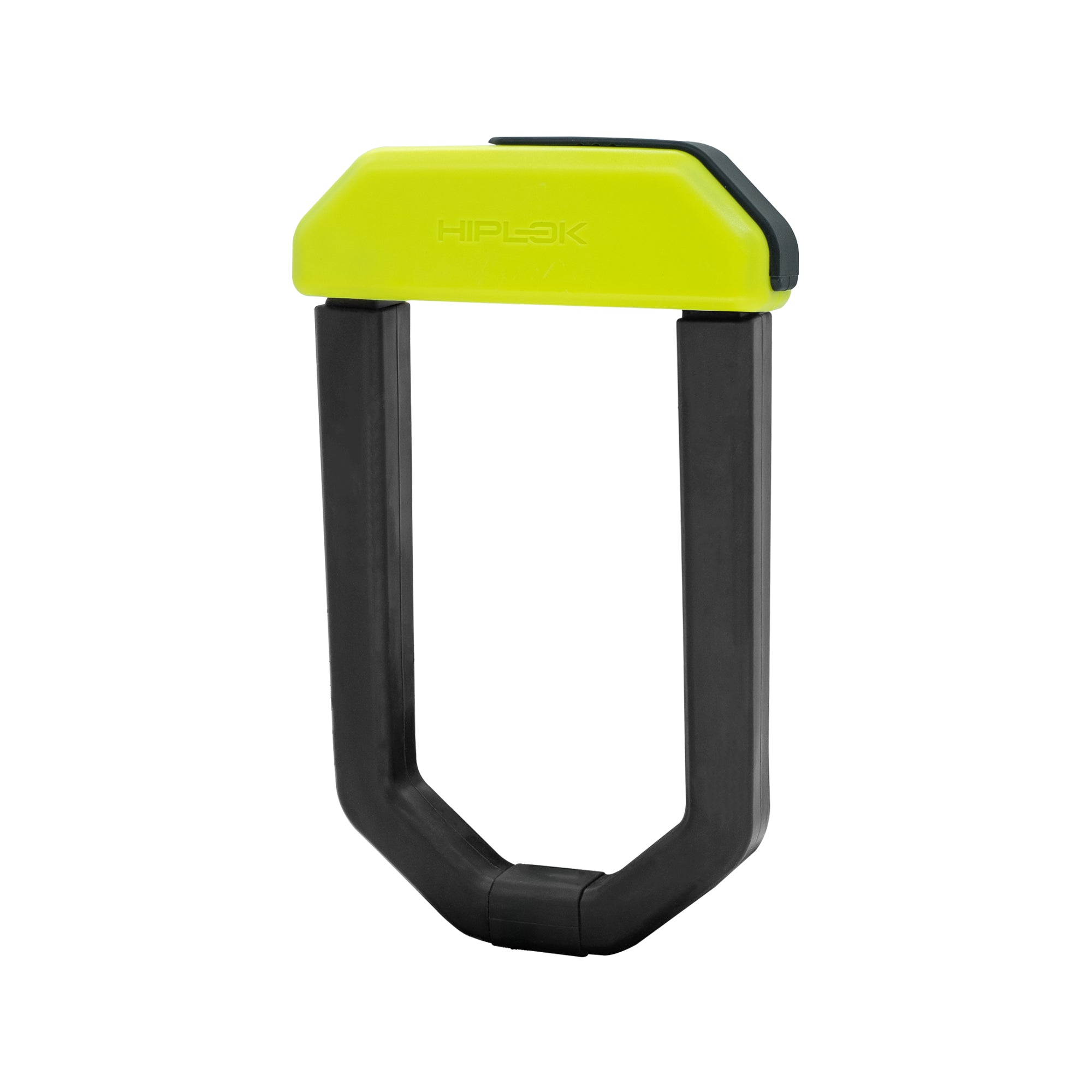
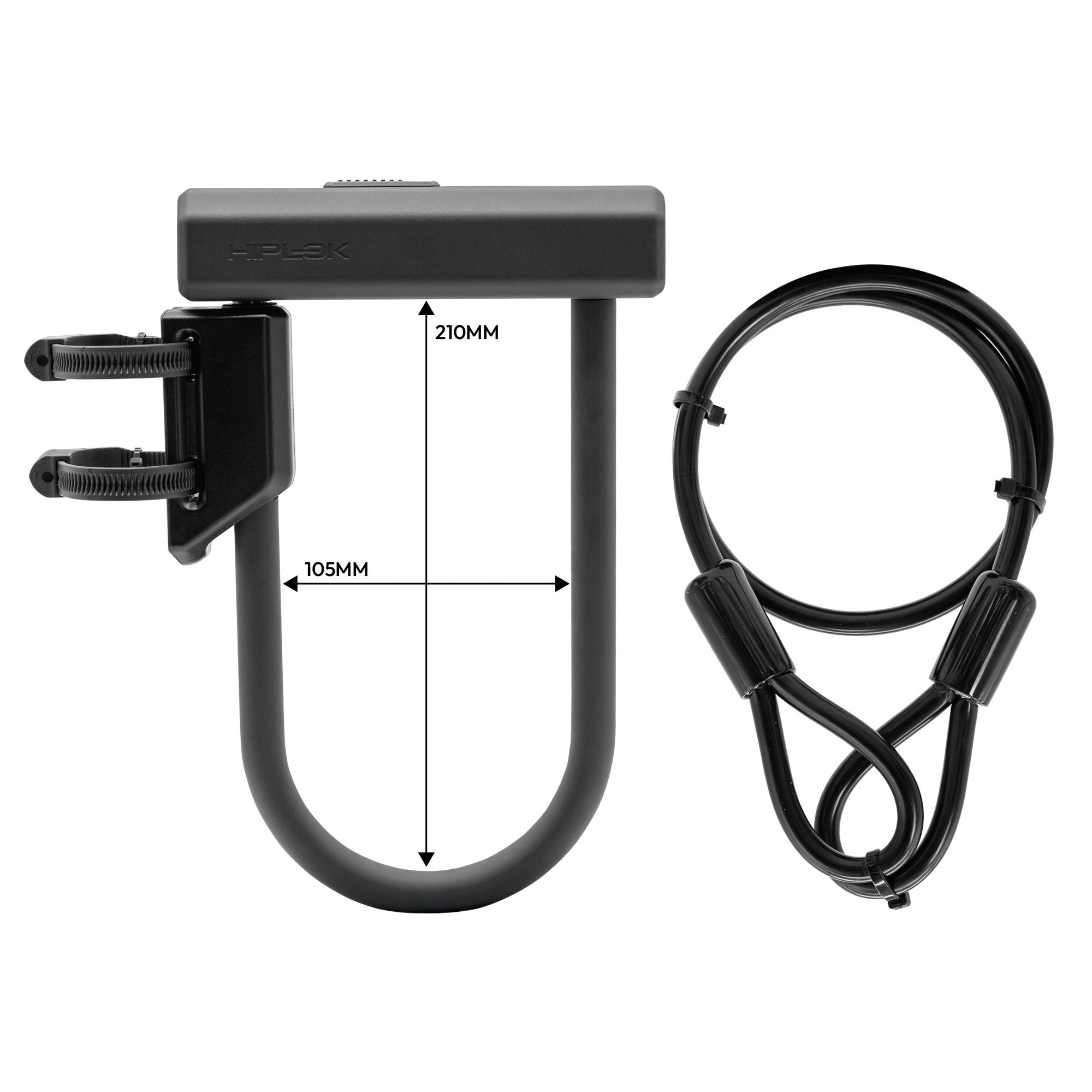
A D lock is a bicycle security lock made up of a rigid, D-shaped shackle that connects to a locking crossbar. It's also sometimes called a U lock, because of the shape of its shackle.
Unlike cable locks and security ties, which are flexible, D locks have a solid, rigid construction designed to resist common theft methods, including cutting, twisting and leverage attacks.
Most D locks use hardened steel shackles, although anti-angle grinder D locks, like those in our 1000 Series, use specialist materials to resist angle grinder attacks.
The basic idea is simple. You position the shackle around part of your bike's frame and a secure, immovable object, then lock it into the crossbar.
It's this combination of rigid construction and secure attachment that makes D locks such an effective everyday bike security option.
For urban e-bike commuters, they're particularly useful because they provide strong protection without the length and bulk of some heavy-duty chain locks.
Why Are D Locks a Good Choice for E-Bikes?

E-bikes are valuable and therefore attractive targets for thieves. A good D lock is an excellent choice because it makes your e-bike a more difficult and time-consuming target.
There are several reasons why D locks work particularly well for e-bikes.
Anti-angle grinder security options
One of the biggest advantages of choosing a D lock is the availability of anti-angle grinder security options, offering some of the highest levels of protection available for e-bikes.
Our Hiplok 1000 Series, including the D1000 and DX1000, uses specialist composite material to deliver exceptional resistance to angle grinder attacks. These locks are designed to wear down angle grinder discs. Most thieves run out of time, cutting discs or angle-grinder power before they're able to cut through these locks. Even the sight of these locks is enough to deter some would-be bike thieves.
For valuable e-bikes parked in busy urban areas, this level of protection can make a real difference.
Anti-rotation locking mechanism
Good D locks also feature an anti-rotation locking mechanism, which prevents the shackle from being twisted open if it's cut on one side.
This means a thief needs to cut through both sides of the shackle to remove the lock, effectively doubling the number of cuts required and potentially doubling the attack time.
For e-bike security, this added resistance is particularly valuable, especially when combined with anti-angle grinder technology.
Strong, rigid construction
Unlike flexible locks, a D lock uses a solid shackle that can provide substantial resistance to cutting and leverage attacks.
The strength of that protection depends on the lock's design, materials and security rating.
Quick and convenient to use
When you're locking up several times a day, convenience matters.
A D lock is relatively straightforward to position and secure, making it a practical option for short stops, commuting and everyday errands.
Easier to carry than some heavy chains
High-security chain locks can be excellent security options, particularly for longer periods of parking.
But carrying a heavy chain on every journey isn't always convenient.
D locks offer a more compact alternative, with different sizes and security levels available depending on your needs.
A range of security options
Not every rider needs the same level of protection.
A commuter parking outside a busy office for eight hours has different requirements from someone stopping for ten minutes to grab a coffee.
D locks are available in different sizes, weights and security ratings, allowing you to choose the protection that suits your riding routine.
Understanding D Lock Security Ratings

When you're comparing the best D locks for your e-bike, security ratings are one of the most useful things to look at.
In the UK, Sold Secure is a widely recognised independent testing organisation that assesses locks against different attack methods.
Its ratings help riders understand the relative security level of a lock rather than relying entirely on manufacturers' claims.
What do Sold Secure ratings mean?
Sold Secure independently tests bicycle locks against different attack methods, awarding ratings based on their level of resistance.
For urban e-bike commuters, we'd recommend choosing a D lock with one of the following ratings:
-
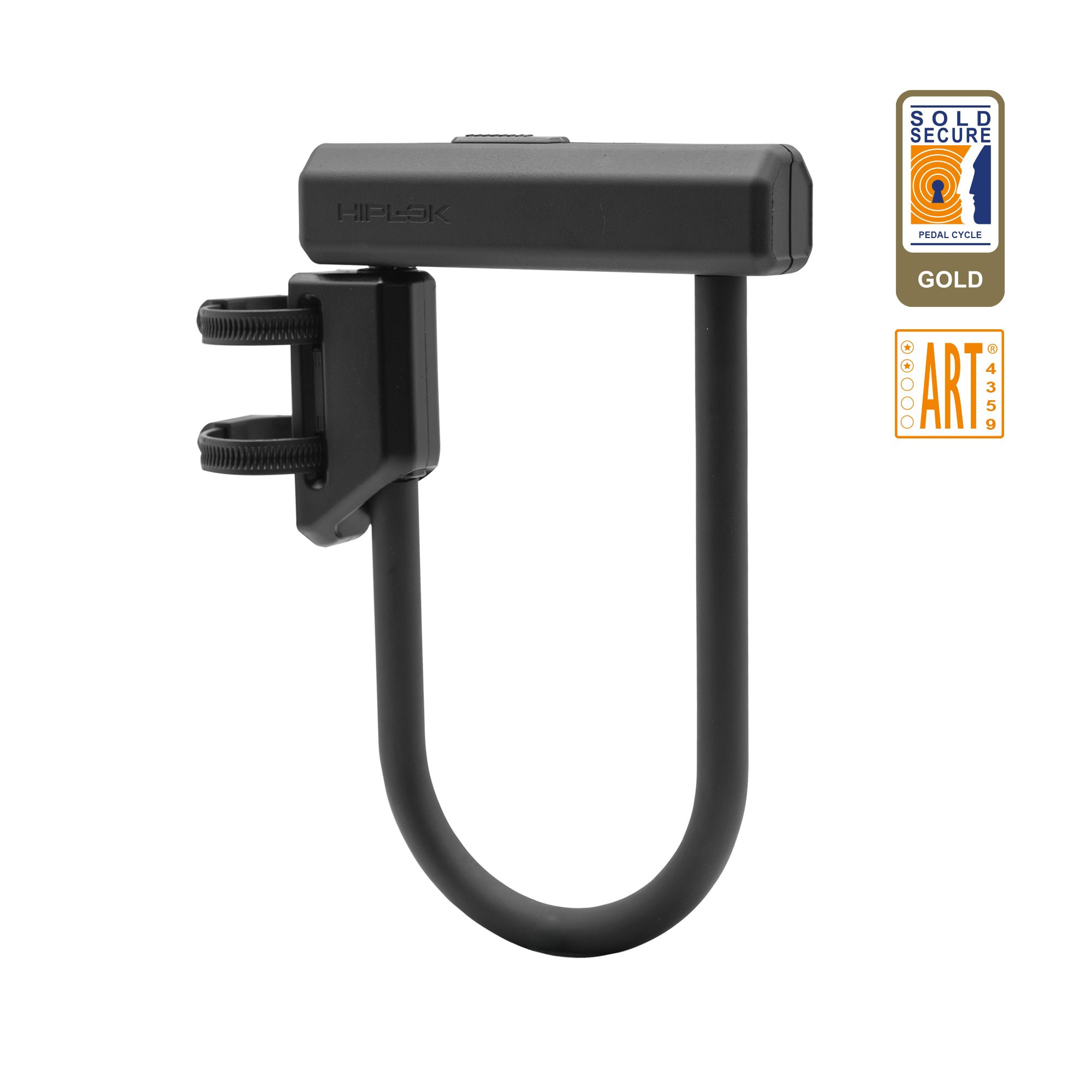
Sold Secure Pedal Cycle Gold: A good level of security for everyday e-bike use, particularly for shorter stops and lower-risk parking locations. This is also the minimum security rating required by some bicycle insurance providers.
-
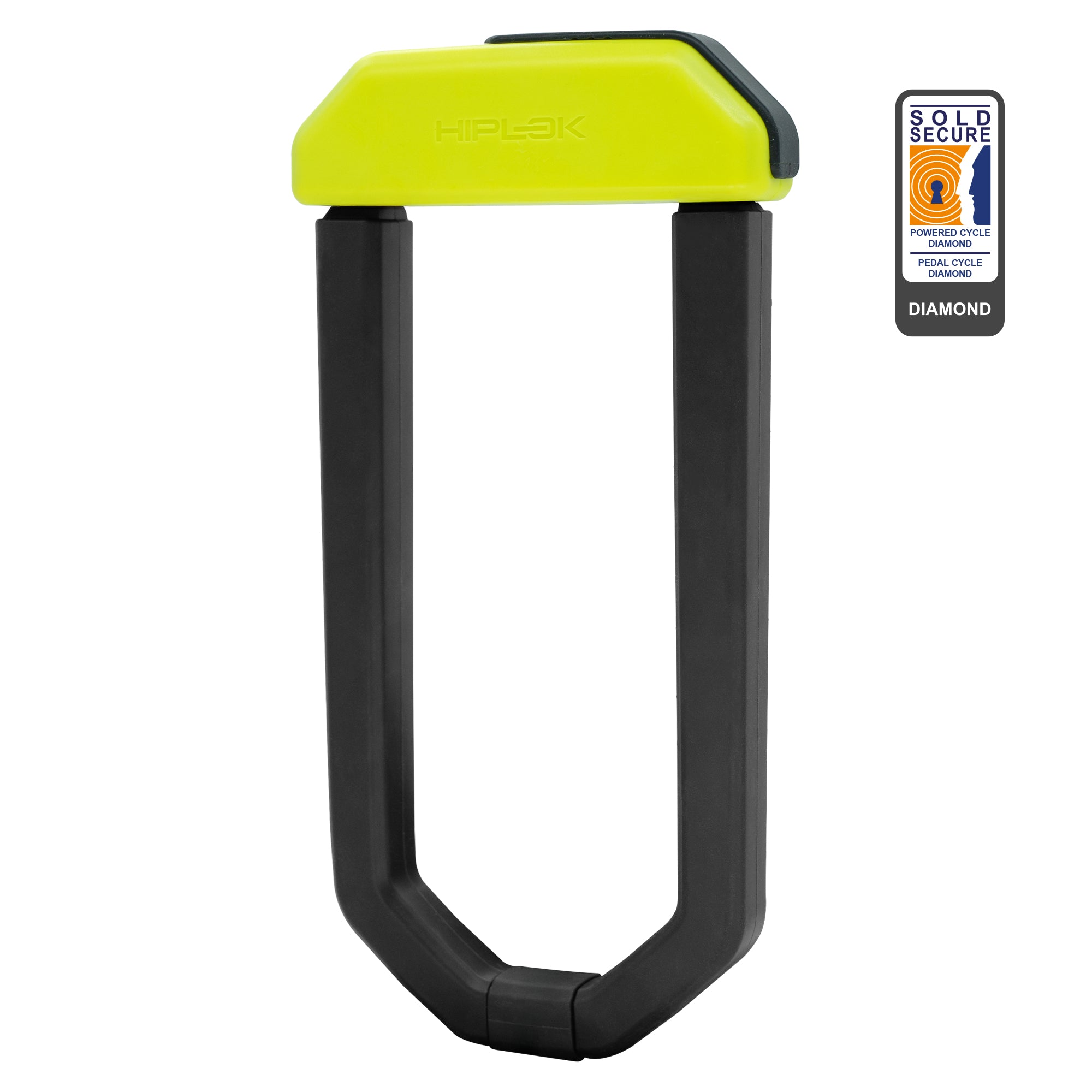
Sold Secure Pedal Cycle Diamond / Powered Cycle Gold: A higher level of security, offering greater resistance to theft attacks. A strong choice for valuable e-bikes used for daily commuting and parked regularly in busy urban areas.
-
Sold Secure Powered Cycle Diamond: The highest level of security in the Powered Cycle category. Ideal for high-value e-bikes and higher-risk parking locations, where maximum resistance to attack is a priority.
No lock is completely theft-proof, but choosing a lock with a high Sold Secure rating helps ensure you're investing in independently tested protection.
What about insurance-approved D locks?
If your e-bike is insured, your policy may specify a minimum Sold Secure rating.
Before choosing a lock, it's worth checking those requirements carefully. Some providers require a minimum of a Sold Secure Pedal Cycle Gold lock.
Using a lock that doesn't meet your policy conditions could affect a theft claim, even if the lock itself appears substantial. The good news is that even our Urban D is Sold Secure Pedal Cycle Gold so if you decide your risk is relatively low.
When Should You Use a D Lock for Urban Commuting?

One of the biggest advantages of a D lock is its versatility.
It's a good choice for plenty of everyday situations, but understanding when and how to use one helps you get more from your security.
Commuting to work
If you're regularly leaving your e-bike outside your workplace, a high-security D lock is a sensible starting point.
Look for a secure, fixed parking point in a visible area, ideally somewhere with regular foot traffic.
For longer periods of parking, especially in high-theft locations, we'd recommend considering an additional lock to secure another part of the bike.
Stopping at shops and cafés
Even a quick stop is worth locking up properly for.
A D lock is ideal when you need something relatively quick to use without carrying a large amount of extra equipment.
Choose a locking point that lets you secure the frame, rather than relying on a removable wheel alone.
Parking at train stations
Train stations can be convenient places to leave an e-bike, but they can also present greater theft risks because bikes may remain unattended for hours.
In these situations, we'd recommend a high-security D lock, ideally used alongside a second lock.
The aim is to increase the time, effort and number of tools required to steal your bike.
Leaving your e-bike overnight
Overnight parking requires more thought.
A D lock can form part of a strong security setup, but we'd generally recommend combining it with additional protection, particularly if your e-bike is stored outside.
Using a second high-security lock and a secure ground or wall anchor, where appropriate, can make a significant difference.
D Locks vs Other Bike Locks: Which Is Best?
There are several types of locks for bikes, and each has its place.
The best choice comes down to security, portability, how you use your e-bike and also which two specific locks you are comparing. You won't find a bike lock more secure than an anti-angle grinder D lock. Even outside the anti-angle grinder range, D locks are known for being secure due to their rigid shape. However, if you are looking flexible, lighter lock for less risky locking situations then you might prefer a different bike lock.
Are D locks better than cable locks?
For securing the frame of an e-bike, a good quality D lock is generally a much stronger choice than a standard bike cable lock.
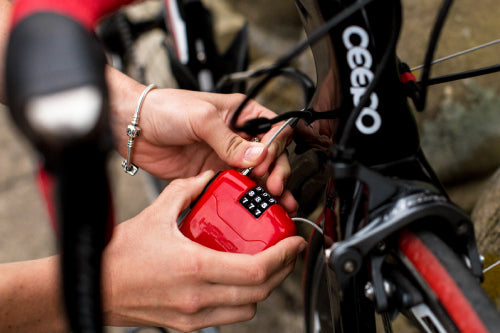
Cable locks are convenient, but many can be defeated quickly using relatively simple cutting tools.
That doesn't mean they're completely without purpose.
A cable can be useful as an additional layer of security for accessories or components, but we wouldn't recommend relying on one as your main e-bike security lock.
What about chain locks?
Chain locks offer greater flexibility when securing a bike to larger or awkwardly positioned objects.
However, that additional flexibility often comes with extra weight, particularly at higher security levels.
For commuters who want a compact lock they can carry on every ride, a D lock is often a practical choice. If you need extra reach with a 1000 Series D lock, we've developed L1000, which is a D lock link, removing the need for heavy chain.
What Makes the Best D Lock for Urban Commuting?

Not all D locks are designed for the same purpose.
Some prioritise portability, while others are built for maximum resistance against more demanding attacks.
When choosing a D lock for your e-bike, there are a few things worth considering.
1. Security level
Start by thinking about where your e-bike will be parked.
If you're commuting through a busy UK city and regularly leaving your bike unattended, we'd recommend choosing a D lock rated Sold Secure Pedal Cycle Diamond / Powered Cycle Gold or Powered Cycle Diamond.
These ratings offer a high level of independently tested security, with Powered Cycle Diamond providing the highest rating in that category.
Higher-risk locations may also justify choosing a lock with additional resistance to angle grinder attacks.
2. Resistance to angle grinders
Battery-powered angle grinders have changed the challenges facing bicycle security.
Traditional hardened steel locks can offer good resistance against many hand tools, but powered cutting tools present a different problem.
That's why we've developed D locks such as the Hiplok D1000 and DX1000, designed with specialist materials to increase resistance to angle grinder attacks.
The goal isn't to claim that a lock can never be cut. It's to make cutting more difficult, time-consuming and demanding.
For riders leaving valuable e-bikes in higher-risk locations, that additional resistance can be particularly important.
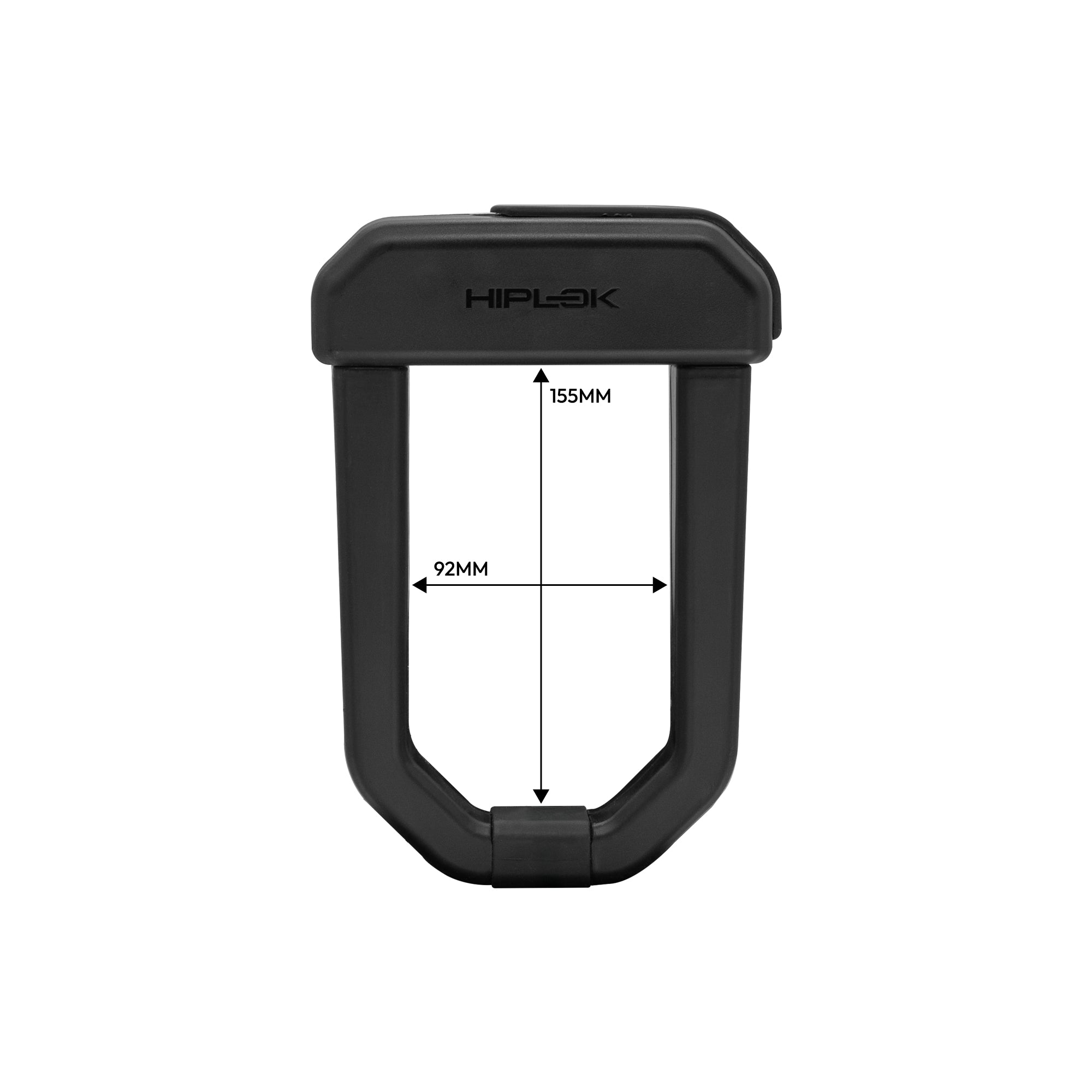
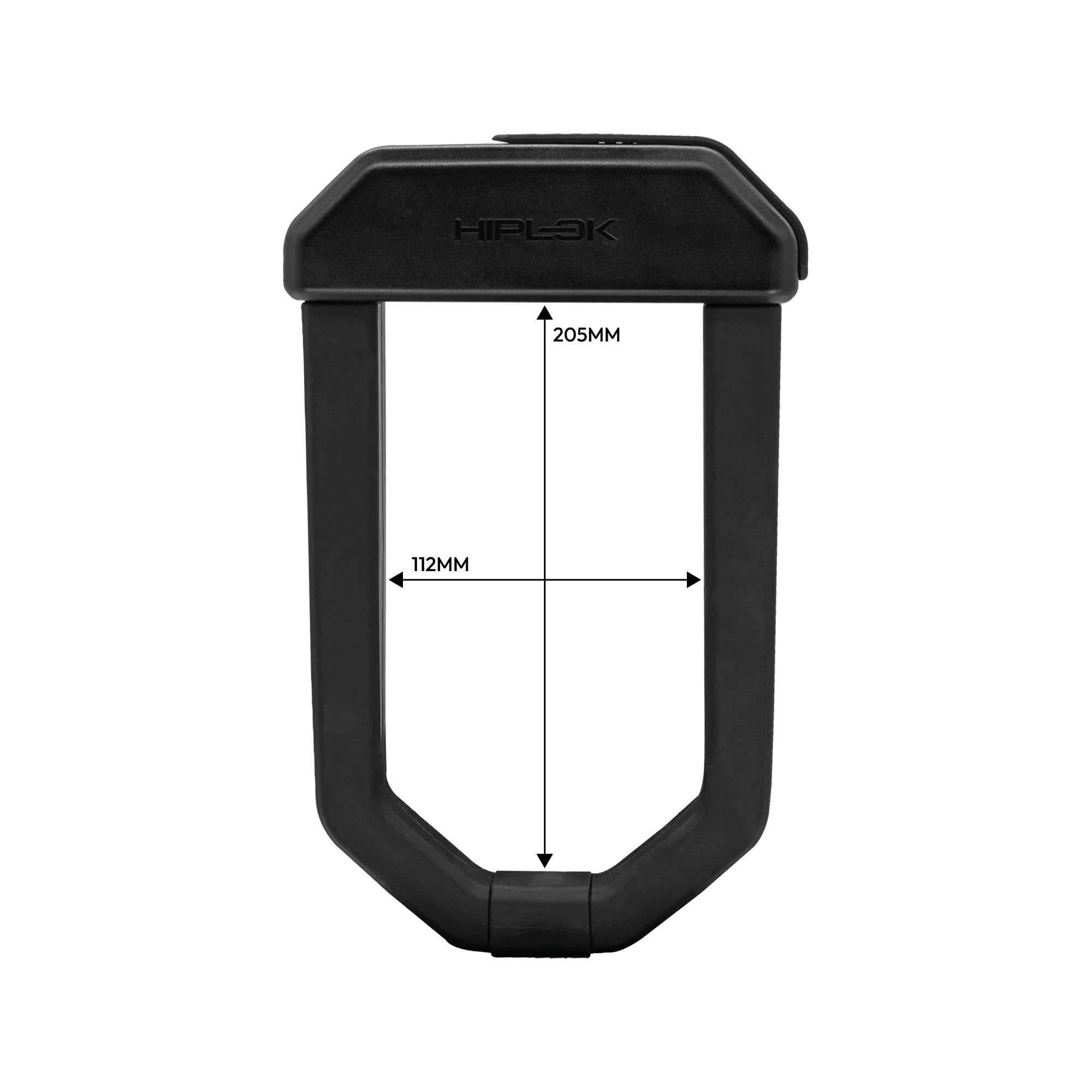
3. Size and fit
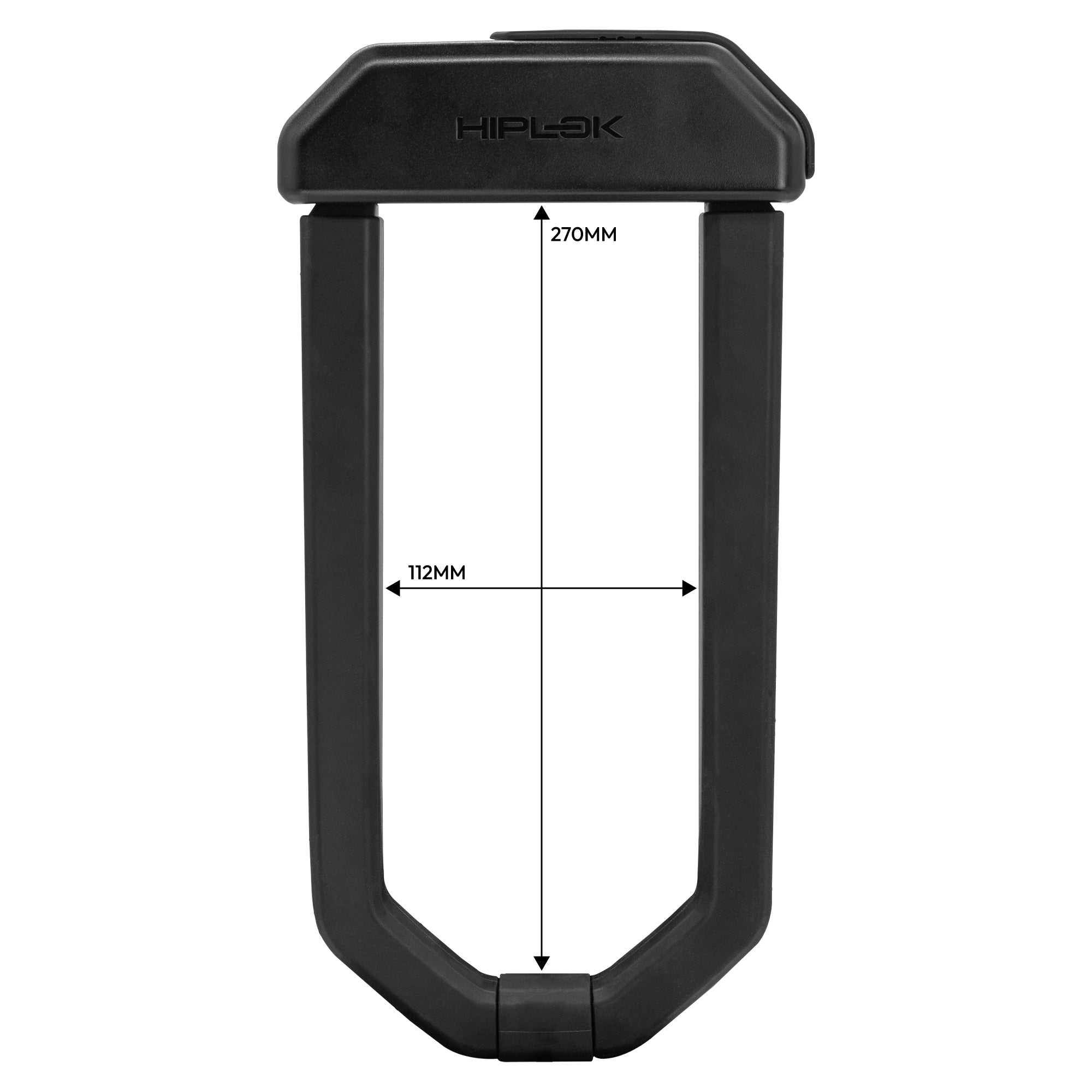
A larger D lock can provide more flexibility when securing an e-bike to different stands or railings.
However, a larger internal space can also leave more room for tools to be positioned during an attack.
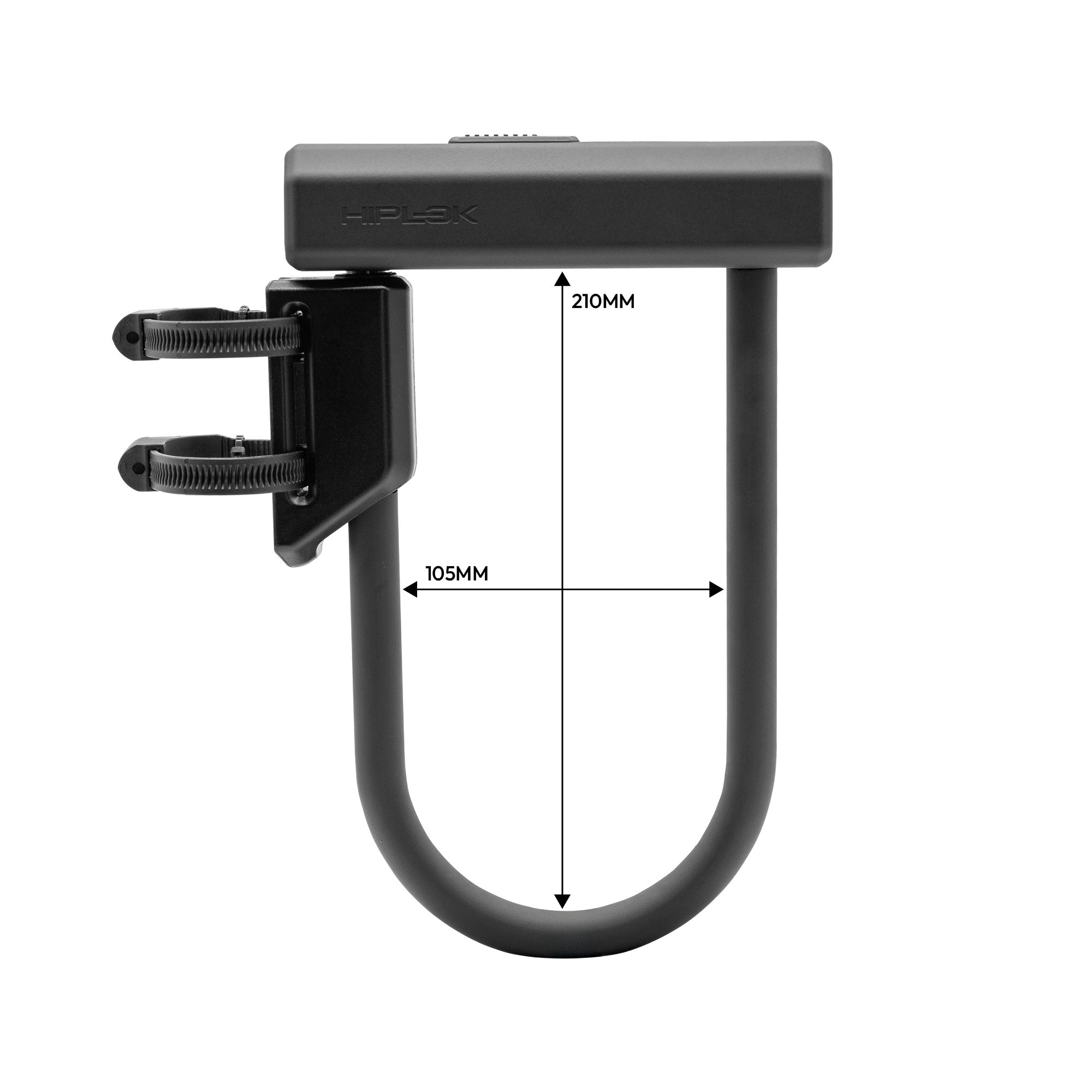
A compact or mini D lock may offer a tighter fit, but you'll need to check that it works with your frame dimensions and typical parking locations.
E-bikes can have larger frame tubes or unusual frame shapes, so checking the lock's internal dimensions is especially important.
4. Weight and portability
There's always a balance between security and convenience.
Some high-security D locks are heavier because they're designed to withstand more demanding attacks.
Think about how you plan to carry yours.
Will it fit in your commuting bag? Can it be mounted to your frame? Or would you prefer a lock that stays at your regular parking location?
The best D lock is one that provides the security you need and that you're happy to use consistently.
Where Should You Secure a D Lock on Your E-Bike?

Even the best bicycle lock won't provide effective protection if it's used incorrectly.
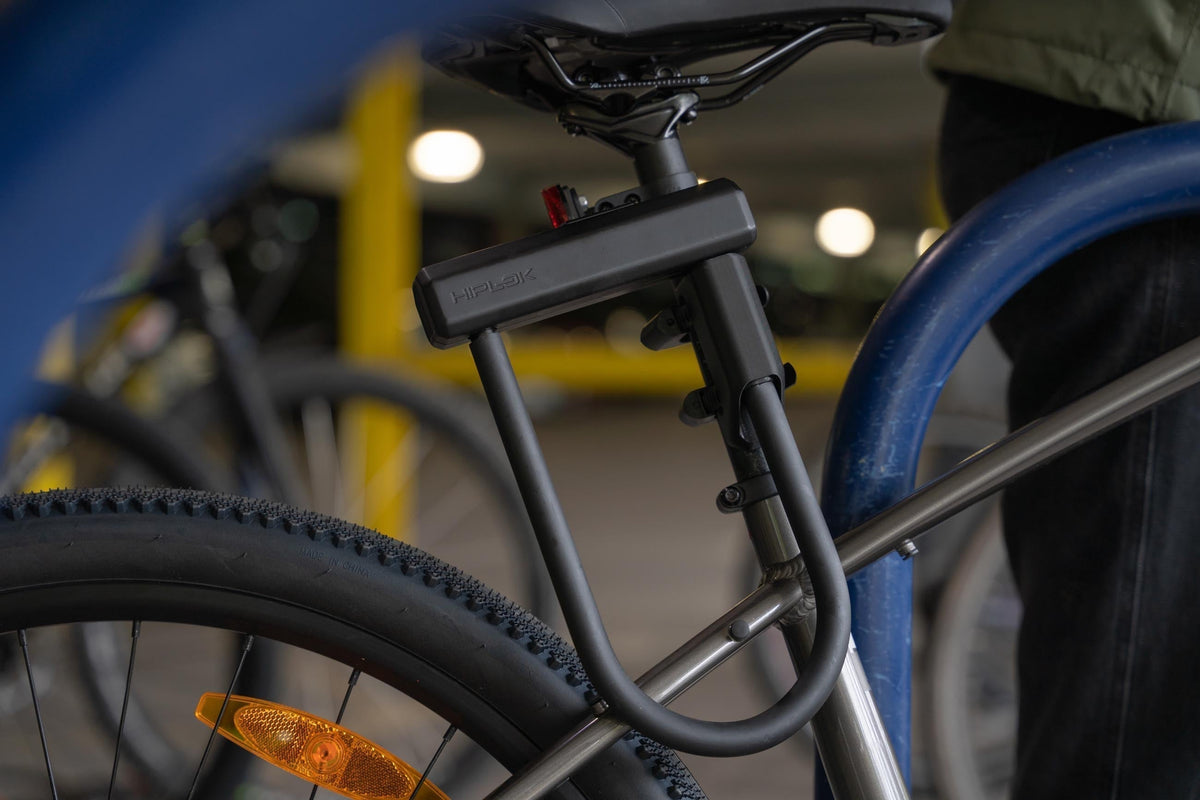
The most important principle is to secure your e-bike's frame to a fixed, immovable object.
Where the lock's dimensions allow, securing a wheel as well can provide additional protection.
For everyday locking, we'd recommend following these basic principles:
-
Secure the frame. Don't lock through a wheel alone, as wheels can be removed.
-
Choose a solid locking point. Use a properly installed bike stand or another suitable immovable object that can't easily be lifted, cut or dismantled.
-
Keep the lock off the ground. This can make some physical attacks more difficult.
-
Minimise empty space. A tighter fit can reduce opportunities for leverage attacks.
-
Consider a second lock. Securing another wheel or part of the bike adds an extra layer of protection.
It's also worth checking that the object you're locking to is genuinely secure. A strong lock attached to a loose or easily removable stand won't offer the protection you expect.
For a more detailed walkthrough, see How to Use a D Lock Correctly (with Real-World Examples).
Common D Lock Mistakes to Avoid
Most riders quickly develop a locking routine. But it's worth taking a few seconds to check how you're securing your e-bike.
Some of the most common mistakes include:
-
Locking only the front wheel. A thief may be able to remove it and take the rest of the bike.
-
Using an unsuitable fixed object. Thin railings, loose stands and easily removable posts can undermine your security.
-
Leaving too much space inside the lock. This may create opportunities for certain attacks.
-
Choosing convenience over adequate security. A lightweight, lower-rated lock may not be suitable for a valuable e-bike left unattended for hours.
-
Relying on a single lock in higher-risk situations. An additional lock can make an attack more complicated.
The good news is that improving your locking routine doesn't need to make every stop a hassle.
A little practice helps you secure your e-bike quickly and consistently.
Should You Use Two Locks on Your E-Bike?

For longer periods of parking or particularly high-risk locations, using two locks can be a smart approach.
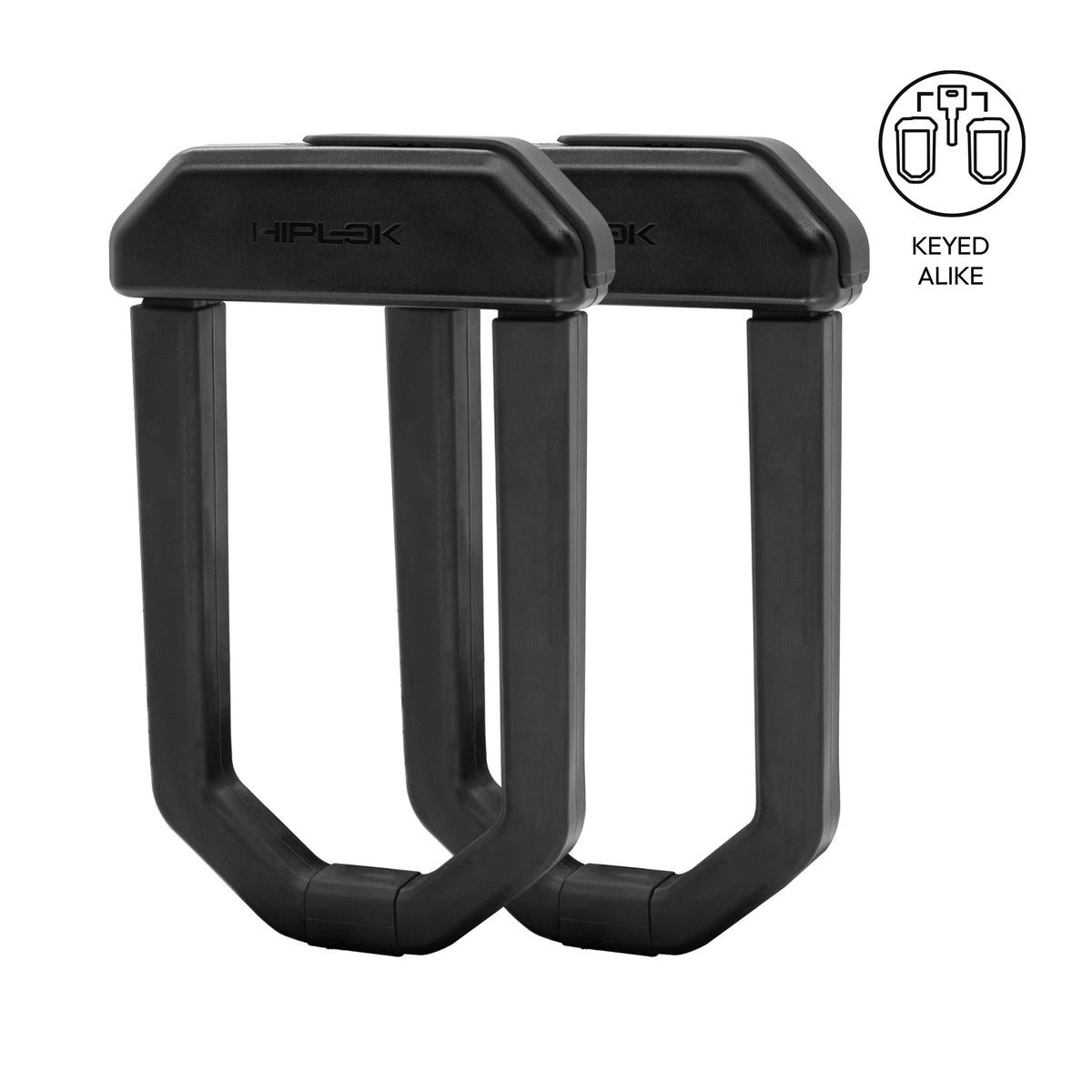
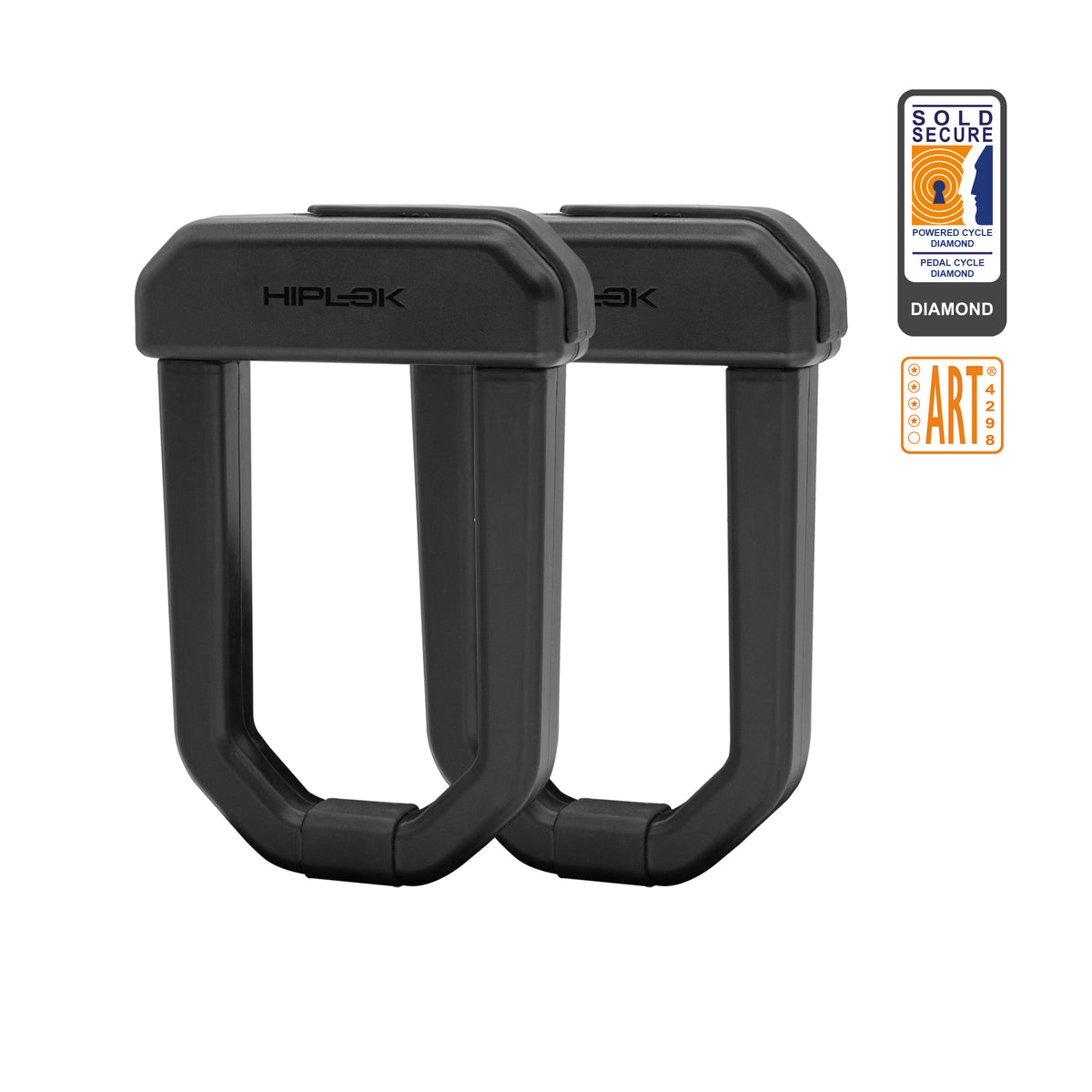
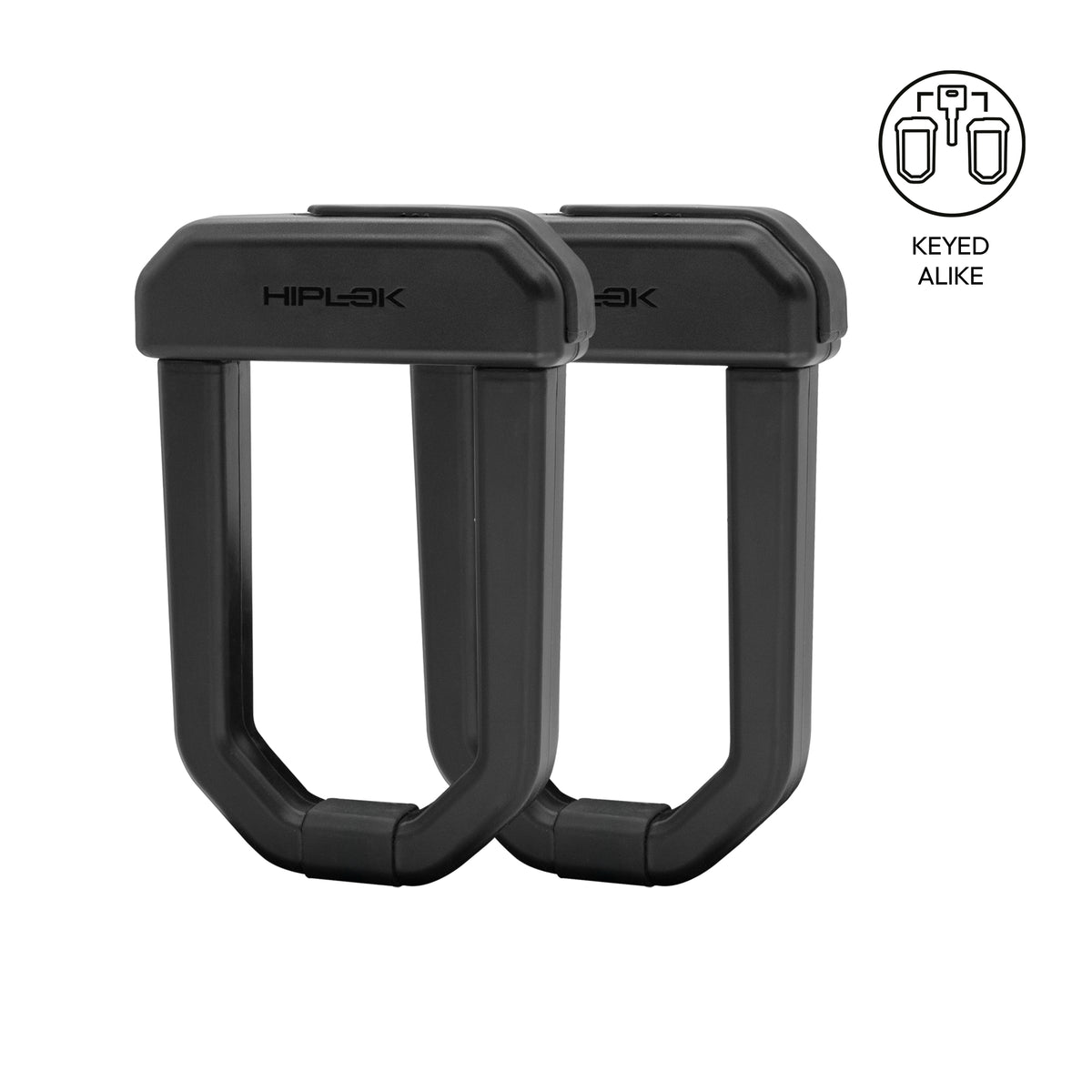
We sell Keyed Alike 1000 Series Duo Packs for this very purpose. Both locks use the same key for convenience too.
Some riders choose to use the D locks as a primary lock, to secure the frame to an immovable object, then use a second lock to protect another part of the bike.
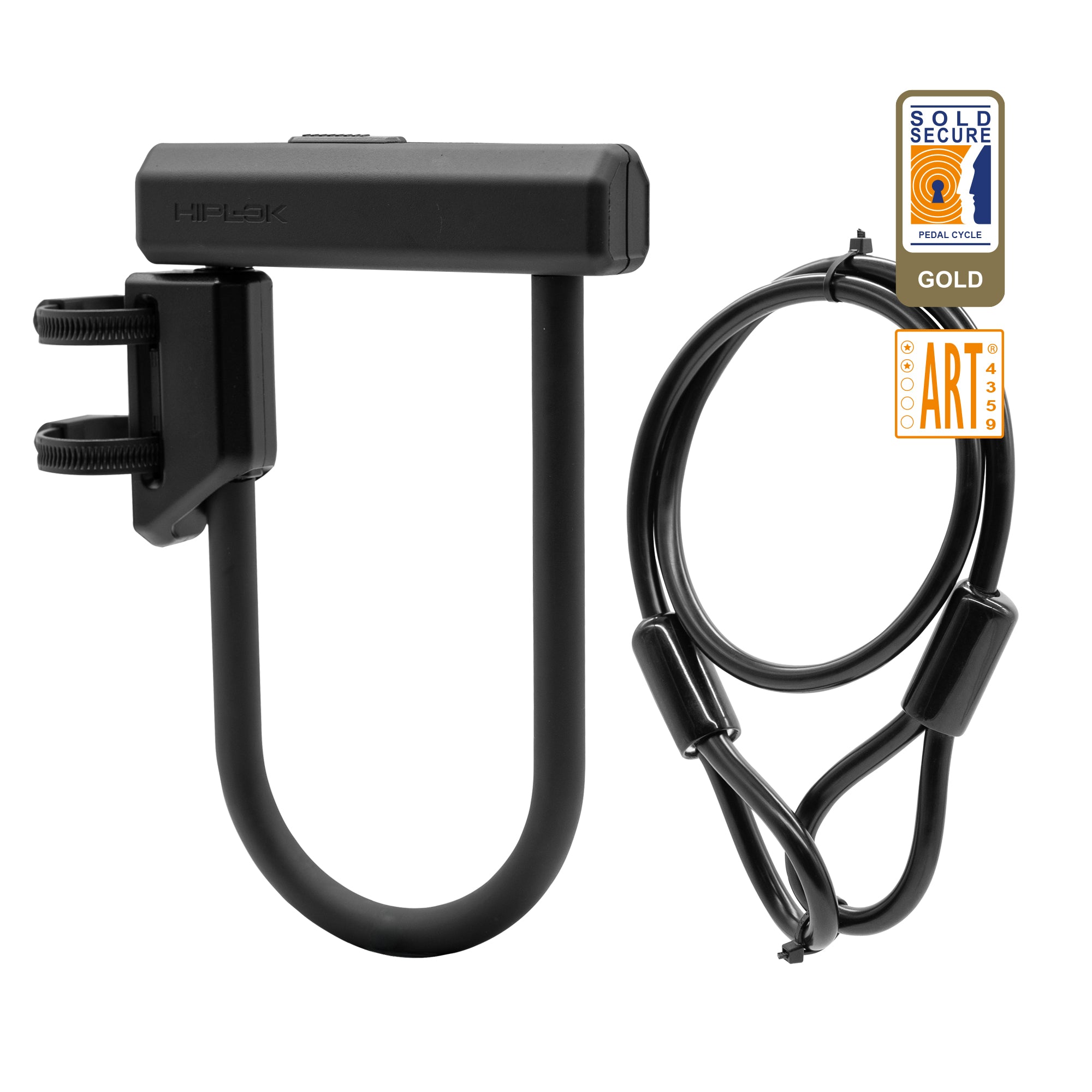
A lock extension or security cable can help protect components, although it shouldn't be treated as an equivalent replacement for a second high-security lock.
For urban commuting, the aim is to build a setup that's secure without becoming so inconvenient that you stop using it properly.
Which Hiplok D Lock Should You Choose?
At Hiplok, we design locks around how people actually ride and park their bikes.
That means thinking about everything from carrying a lock on your commute to protecting an e-bike against increasingly capable theft tools.
All of our D locks achieve a minimum of Sold Secure Pedal Cycle Gold, including our entry level Urban D, so all offer a good level of security. However, our most secure locks are our 1000 Series D locks - the D1000, DX1000 and DXL1000 - all are part of our anti-angle grinder 1000 Series.
Hiplok D1000
If it fits your bicycle, it's great because there compact locks that fit your bicycle closely are more awkward for thieves to cut.
Hiplok DX1000
This is the most popular size anti-angle grinder D lock that we sell.
Hiplok DXL1000
That additional space can be particularly useful for e-bike riders dealing with larger frames or a wider
Choosing a D Lock That Works for You
Your e-bike should make getting around easier, not leave you constantly worrying about where you can park it.
A well-chosen D lock gives you a strong foundation for everyday security, combining a rigid, practical design with resistance to common theft methods.
The right option depends on your routine, your e-bike and the risks associated with where you leave it. WWhether you're commuting across town, heading to the shops or locking up outside the office, it's about making sensible choices that help protect the bike you rely on.
Find the right lock for your bike. Explore our range of D locks and compare the security, size and portability options that suit your daily ride.
FAQs
What is a D lock?
A D lock is a rigid bicycle security lock featuring a U-shaped shackle and a locking crossbar. It's designed to secure a bike's frame to a fixed object and generally provides stronger protection than a standard cable lock.
Are D locks better than cable locks?
For primary bicycle security, a quality D lock is generally more secure than a standard cable lock. D locks offer stronger resistance to common cutting and leverage attacks, while cables are better suited to supplementary security.
What are the pros and cons of using a D lock for e-bikes?
D locks provide strong security, relatively compact construction and convenient everyday use. Their main limitations are their fixed shape, potential weight and the difficulty of fitting some locks around larger e-bike frames or awkward parking points.
What security rating should I look for in a D lock?
For urban e-bike commuting, we'd recommend Sold Secure Pedal Cycle Diamond / Powered Cycle Gold or Powered Cycle Diamond. These provide high levels of independently tested security, although you should also check your insurer's specific lock requirements.
When should you use a D lock for urban commuting?
A D lock is useful for everyday parking outside workplaces, shops, cafés and transport hubs. For longer periods or higher-risk locations, consider combining a high-security D lock with a second lock for additional protection.

Share:
Top D Lock Setups for Urban Commuters and City Riders
Common Mistakes When Using a Bicycle Cable Lock