

Your e-bike is more than a purchase. If you ride it to work, use it for errands and spend time getting the setup just right, it becomes part of how your day works. That makes choosing a lock that actually fits the way you park just as important as choosing the security level you want.

For an urban e-bike commuter, U lock size is a practical balance. Too small and you may struggle to get the lock around a chunky frame and the stand you use every morning. Too large and you carry extra bulk while leaving more room inside the lock than you need.
The best U lock size for an e-bike is usually the smallest internal opening that comfortably fits your frame and the secure fixed objects you use most often. That means measuring the lockable part of your frame, checking the parking points you regularly use, and thinking about how quickly you need to lock up during a normal day.
What U lock size actually means
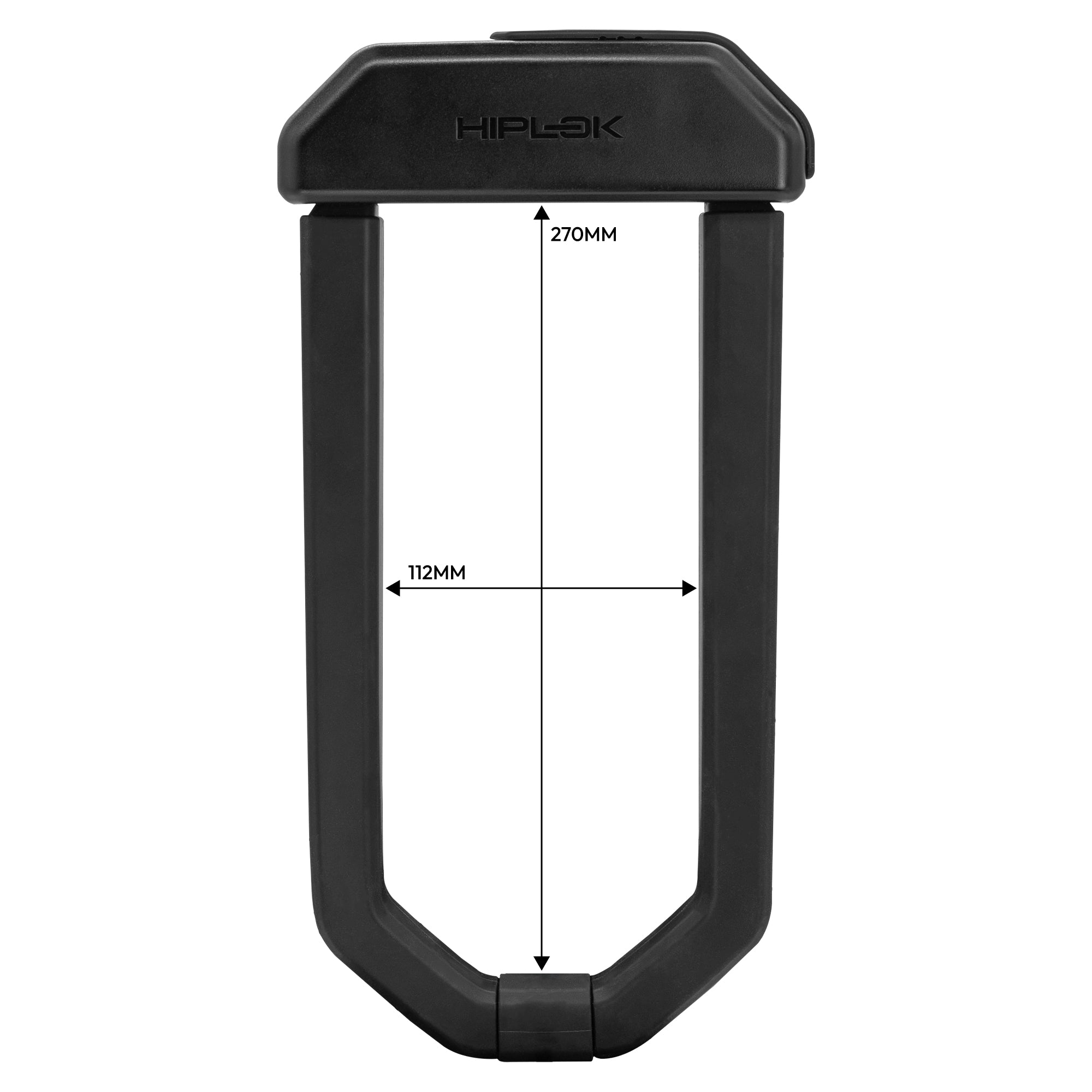
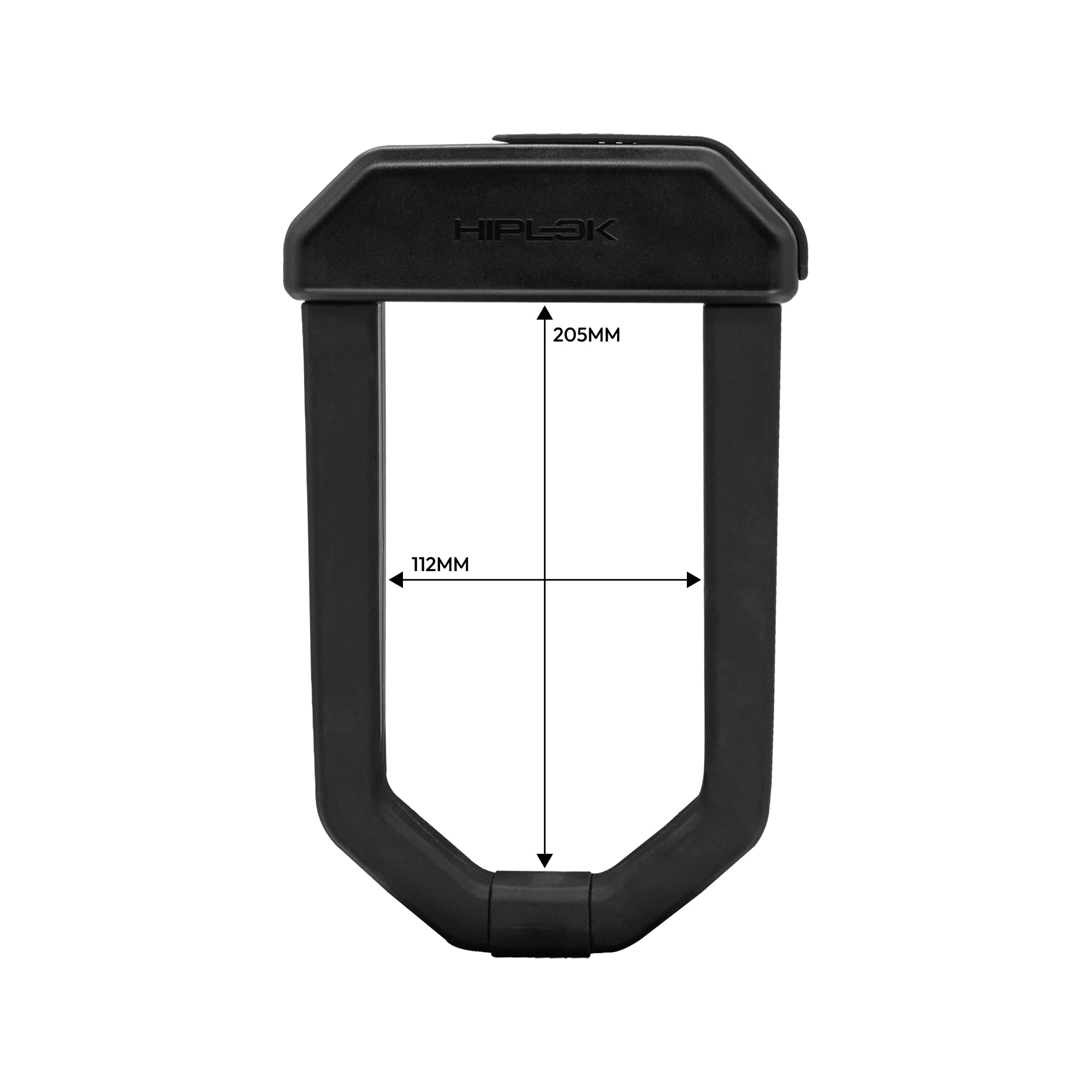
When comparing dimensions for U locks, focus on the usable space inside the shackle. External measurements tell you how much room the lock may take up in a bag or on the bike, but the internal dimensions determine what you can actually lock around.
There are two measurements that matter most:
-
Internal width: the clear space from one side of the shackle to the other.
-
Internal length: the usable distance from the inside of the crossbar to the inside end of the shackle.
Think of those two measurements as your working window. Your chosen frame tube and the fixed parking object both need to fit inside that window at the same time, with enough clearance to close the lock without forcing it.

How to choose a U lock for your bike frame
Start with the part of the frame you expect to lock most often. On many e-bikes, tube profiles are wider or deeper than on a lightweight city bicycle, especially around integrated batteries and reinforced frame sections. Frame shape can matter as much as nominal tube width.
A simple way to check fit is to recreate the locking path you use in real life:
-
Choose the frame area you can reach easily when the bike is beside a stand.
-
Measure the widest part of that frame section across the direction the shackle will pass.
-
Measure the fixed object you normally lock to, such as the tubing of a cycle stand.
-
Allow a little practical clearance so you can position and close the lock without scraping, twisting or forcing it.
-
Compare the combined space you need with the lock’s published internal width and internal length.
If your e-bike has an unusual frame, a step-through design or especially large tubing, test the intended locking position rather than assuming a size from another bike will work. Two frames with similar overall dimensions can present very different locking spaces.
Measure the parking spots you actually use
U lock dimensions for urban commuting only make sense when they match your real parking routine. A lock that fits perfectly around a slim stand outside home may be frustrating if the racks near work are thicker or awkwardly positioned.
Check a few of your regular stops before you buy. You don’t need a surveyor’s level of precision. A tape measure and a note on your phone are enough to build a useful picture of what your lock needs to handle.
With our 1000 Series anti-angle grinder D locks, you can make that even easier by using a printable size guide or ordering a free D1000 and DX1000 size checker. Take it with you on a regular commute or errand run and physically check it against your frame and the stands you normally use. It takes the guesswork out of measuring and gives you a much better idea of how the lock will work in real life.

A lamppost is a good example of why real-world checks matter. Even when a post looks slim enough from a distance, its base can flare outward or the usable section may be wider than your lock opening. It may also be an unsuitable place to park. Choose a solid, immovable parking point that is permitted for bicycle parking and doesn’t create an obstruction.
Small, medium or large U lock: what changes?
 There’s no single ideal size for every rider. The trade-off is between a snug fit, enough versatility for your parking environment, and the amount of lock you want to carry.
A smaller U lock isn’t automatically more secure, and a larger one isn’t automatically weaker. Security depends on the lock’s construction, design and resistance to attack. Size changes how the lock fits your bike and how much free space is available around the locked area.
In practice, a close fit can make it harder to position some tools and gives you less unused shackle to manage. When picking the correct size U lock for your bicycle frame and parking spaces, avoid creating far more internal space than you need. A controlled fit keeps the bike close to the parking object and can reduce the room available for an attacker to work with.
That doesn’t mean squeezing the smallest possible lock around the bike. The priority is reliable fit. A compact lock that can’t secure your frame to the stand you actually use is the wrong size for your routine. If you have to wrestle with it at every stop, you’re more likely to end up with a poor locking position. Leave enough clearance for quick, repeatable use, especially if you make several stops during a commute or day of errands.
Why e-bike frame shape needs extra attention

E-bikes can make U lock sizing less straightforward because frame tubes, motor areas and battery housings may change the space available for a shackle. Step-through frames can also offer fewer obvious locking routes than a conventional diamond frame.
Look for a solid structural part of the frame that lets the lock sit close to a secure fixed object. Avoid planning around removable accessories or components that don’t form part of the main frame. If you’re unsure whether a particular frame section is suitable, check the bicycle manufacturer’s guidance before relying on it as your regular locking point.
This is where measuring your own bike pays off. A generic “standard” U lock dimension may sound convenient, but your actual frame geometry and everyday parking points are what decide whether that opening is useful.
Portability matters when you ride every day

For a daily commuter, the right U lock has to work both when the bike is parked and while you’re riding. Larger internal dimensions usually mean a larger overall lock, so think about where it will live between stops.
Check the external dimensions and weight separately from the internal opening. Then consider whether the lock fits your preferred carrying method without getting in the way of pedalling, luggage, a battery or other controls. The most versatile opening on paper isn’t much help if the lock is awkward enough that you stop wanting to carry it.
If you want to understand the terminology before comparing sizes, our guide to U Lock vs D Lock: What’s the Difference? explains why the two names are commonly used for the same basic lock format.
Common U lock sizing mistakes to avoid
Most sizing problems come from choosing from a product photo or headline dimension rather than checking how the lock will be used. Before buying, watch out for these common mistakes:
-
Using external dimensions when you really need the internal opening.
-
Measuring the frame but not the stand or other fixed object.
-
Choosing for one perfect parking spot when your daily route uses several different rack styles.
-
Assuming every lamppost or street fixture is suitable or small enough to lock around.
-
Buying the smallest opening available without checking the geometry of an e-bike frame.
-
Going much larger than necessary simply for flexibility, without considering portability or excess space.
A few minutes spent measuring, or trying a printable guide or physical size checker, can remove most of that guesswork.

A quick U lock size check before you buy
If you want a simple decision process, use this check:
-
Can the internal opening fit a solid part of your frame and your most common cycle stand together?
-
Does it also work with the second or third most common parking point on your route?
-
Is there enough clearance to lock up quickly without forcing the shackle into place?
-
Is the opening reasonably close-fitting rather than much larger than you need?
-
Can you carry the lock comfortably on the rides you make most often?
If the answer is yes across those points, you’re close to the right size. If your parking environment varies a lot, it can make sense to accept a little more internal space in return for useful versatility.

Choosing a U lock that fits your real routine
The right U lock size isn’t the one with the neatest specification. It’s the one that fits the part of your bike you can lock securely, reaches around the fixed objects you genuinely use, and is practical enough to carry every day.
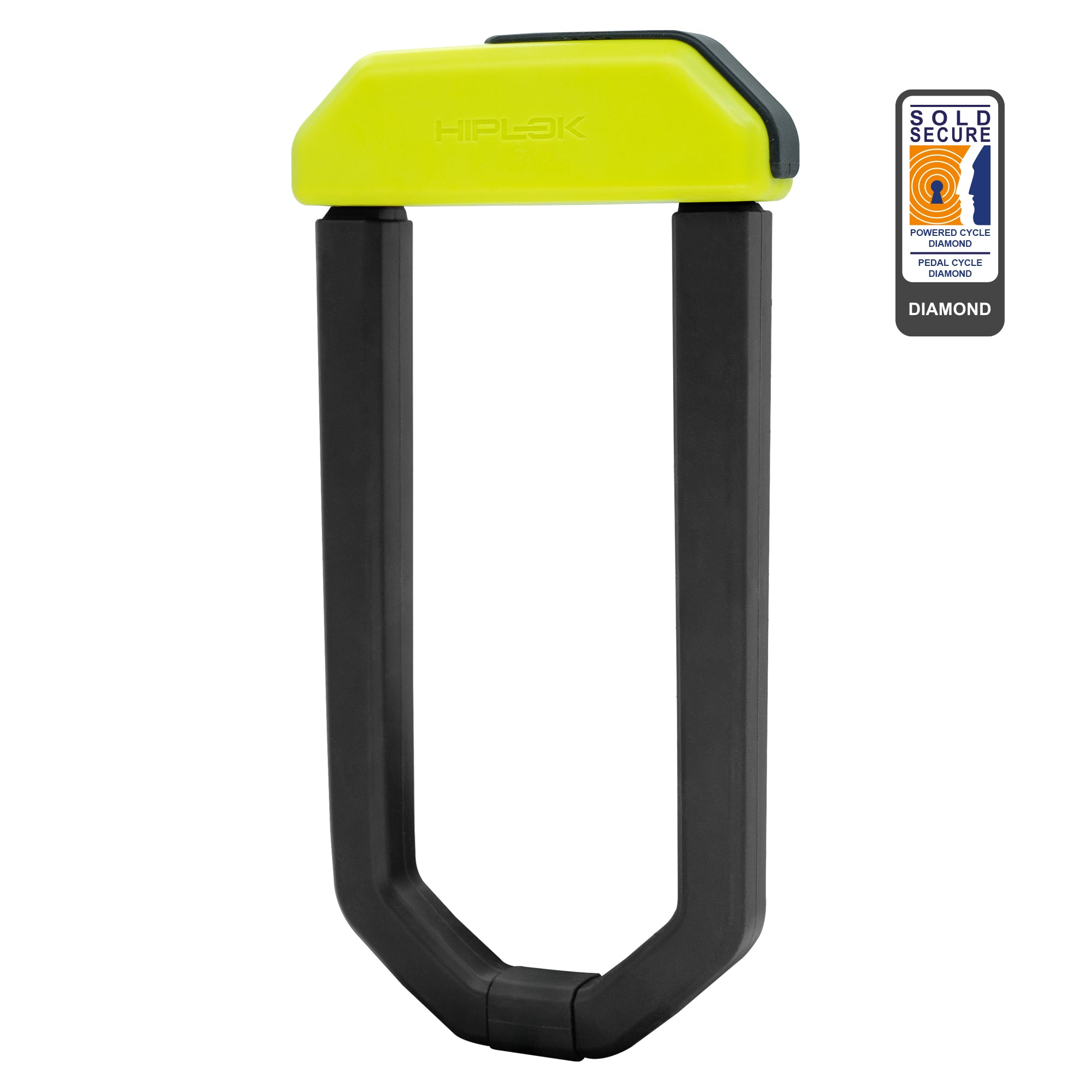
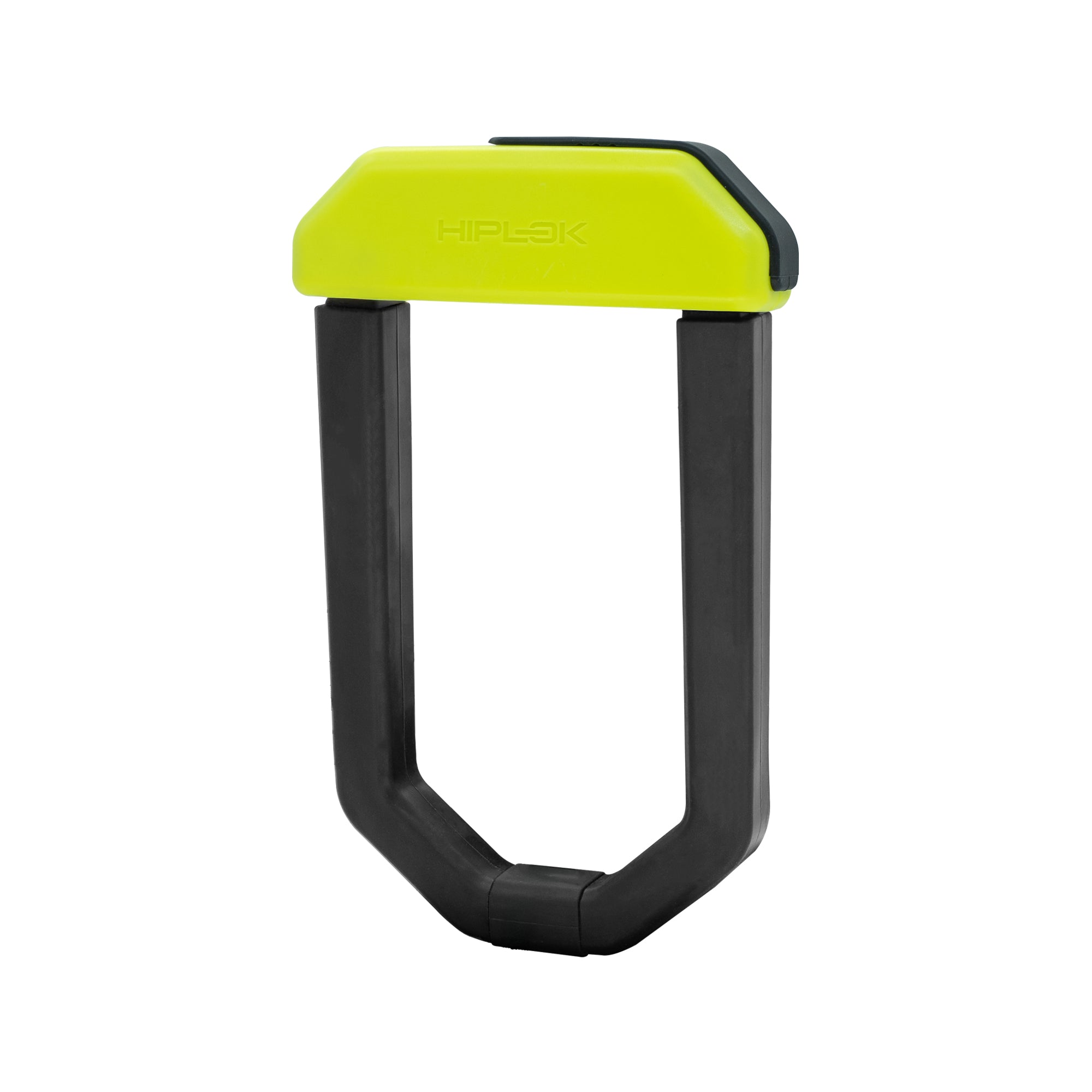
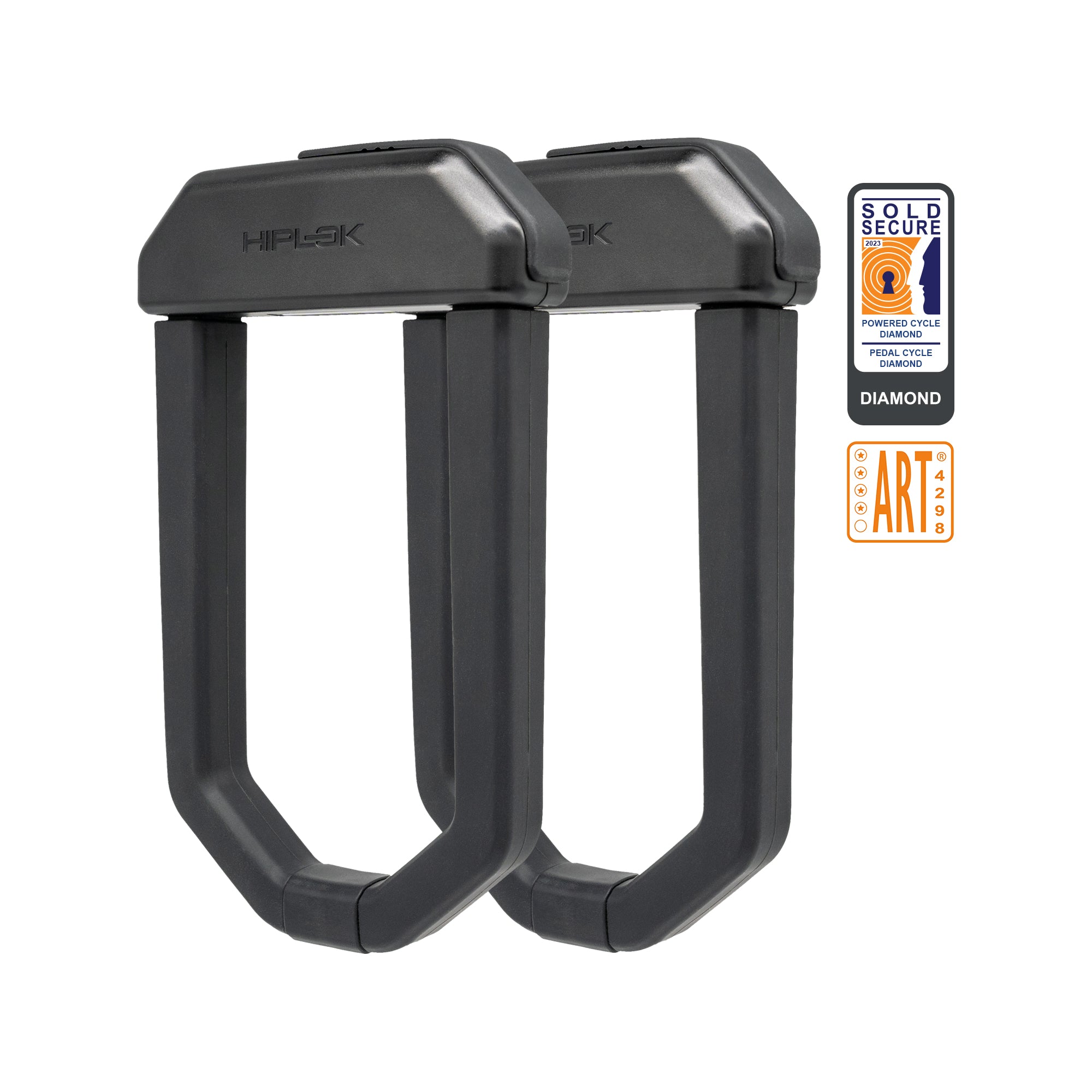
For urban e-bike commuters, that usually means checking the fit first and choosing the smallest usable opening that still gives you reliable access across your regular parking spots. With our anti-angle grinder 1000 Series locks, that could mean a DX1000 if it covers your usual stops, or a DXL1000 if your frame or parking points need the extra reach.
When you’re ready to compare options, explore our U lock for bicycle range and check each lock’s internal dimensions against your bike and the places you actually park.
Find the right lock for your bike
FAQs
What size U lock do I need for my e-bike frame?
Choose the smallest internal opening that comfortably fits a solid part of your e-bike frame and the secure fixed object you use most often. If you’re considering a Hiplok 1000 Series lock, a printable guide or physical size checker can help you test the fit before buying.
How do I measure my bike frame for a U lock?
Identify the frame section you plan to lock, then measure its width in the direction the shackle will pass. Add the size of your usual parking stand and a little working clearance, then compare that space with the lock’s internal width and length.
What are the internal dimensions of a U lock?
Internal dimensions describe the usable opening inside the shackle. Internal width tells you how wide an object can fit, while internal length tells you how far the shackle can reach from the crossbar.
Can a U lock fit around a bike stand or lamppost?
Often, but it depends on the internal opening and the size and shape of the parking object. Cycle stands are usually more predictable. Lampposts can vary widely in diameter and shape, so check the actual post and make sure parking there is permitted and doesn’t cause an obstruction.
Does a smaller U lock give better security?
Not by size alone. A snug fit can reduce unused space around the locked area, but security also depends on the lock’s construction and resistance to attack. For an e-bike, it’s worth considering a high-security anti-angle grinder lock and then choosing the smallest size that works across your regular parking routine.
![Hiplok DX1000 D Lock-Cargo-Bike-Holding-D-Lock [bike]](http://hiplok.com/cdn/shop/files/Hiplok-DX1000-D-Lock-Cargo-Bike-Holding-D-Lock.jpg?v=1764776814&width=2600)
Share:
Zip Tie Bike Locks: A Guide for College Campus Riders
How to Organise a Multi-Bike Garage for Motorcycles, Bicycles, and Scooters