

Travelling with your bike is one of the best parts of riding. If you've invested in a bike that you've spent years choosing, upgrading or building, you want to protect it.
The challenge is that every gram matters when you're travelling. A heavy lock can quickly become a burden when you're climbing hills with fully loaded bags or trying to keep luggage to a minimum. At the same time, carrying the lightest option available isn't always the smartest decision if it leaves your bike vulnerable.
Choosing the best lightweight bike lock for travel isn't about finding the smallest or lightest product on the market. It's about finding the right balance between portability, practicality and security for the way you ride.
Here's what to look for, how to choose a bike lock for bikepacking and the features that make a real difference when you're travelling with a valuable bicycle.
What makes a good lightweight bike lock?

A lightweight lock should do more than save weight in your luggage. It should be easy to carry every day, quick to use when you stop and provide enough security to match the situations you'll encounter.
That balance depends on several factors.
Good travel bike locks should offer:
- A compact design that's easy to pack
- Enough security for short stops and overnight situations when combined with other measures
- Weather-resistant construction
- A reliable locking mechanism
- Practical carrying options such as a frame mount or wearable design
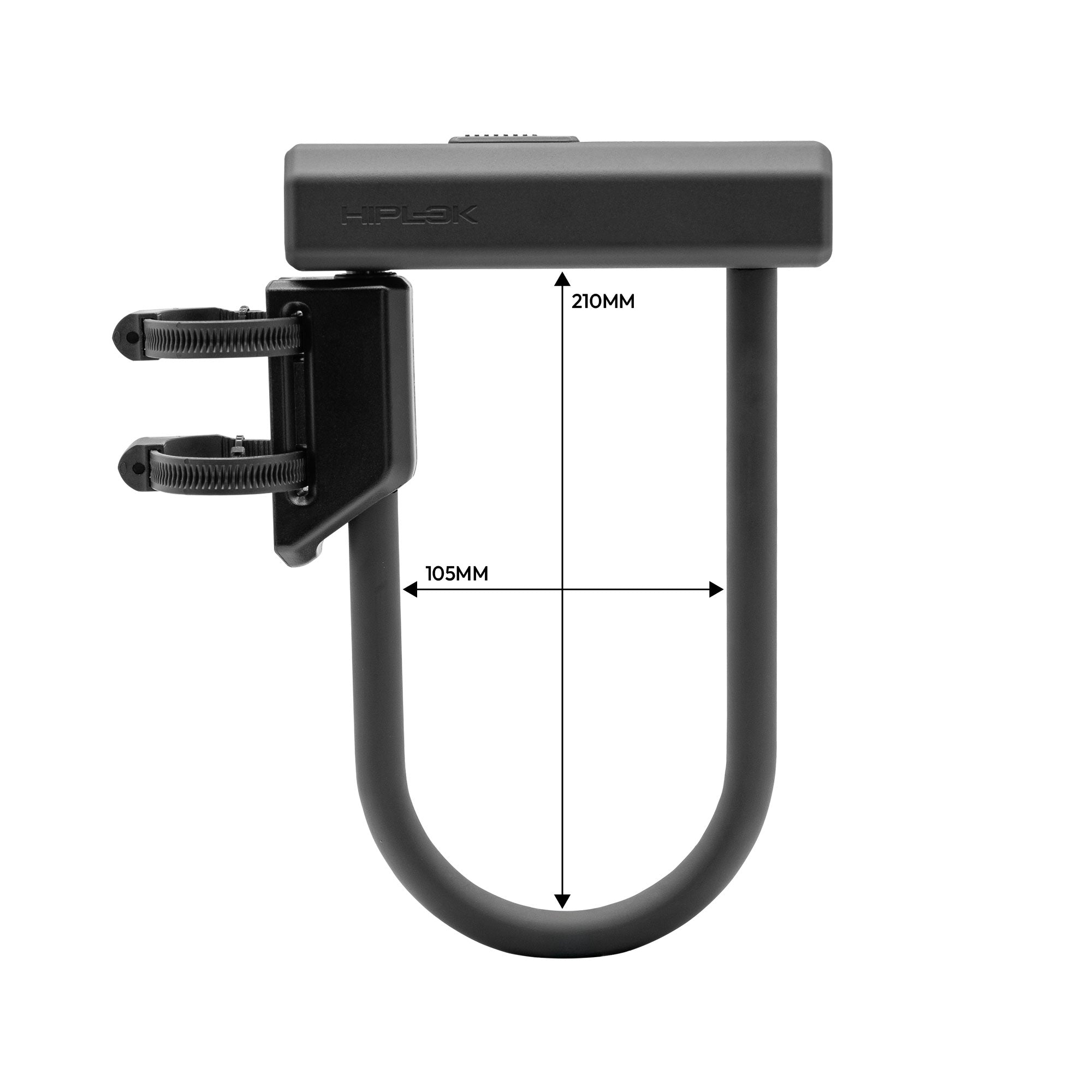
- A size that works with your frame and typical locking points
The best locks for bikes are designed around real riding. If carrying your lock feels awkward or inconvenient, you're less likely to use it every time you stop.
That's one reason we put so much thought into portability alongside security. A lock only helps protect your bike if it's with you when you need it.
 How much security do you really need while travelling?
Not every stop presents the same level of risk.
Locking your bike outside a village café while you grab lunch is very different from leaving it overnight in a busy city or outside accommodation in an unfamiliar location.
Rather than searching for one lock that does everything perfectly, think about the environments you'll actually encounter.
For example:
- Café stops during daytime rides usually require a compact, portable bike lock that's quick to fit.
- Sightseeing in busy towns may justify a higher-security lock even if it adds some weight.
- Overnight bikepacking stops often benefit from combining a portable lock with careful parking choices and additional security where available.
- Train stations and transport hubs usually present higher theft risk because bikes may be left unattended for longer.
Understanding your typical riding helps you choose the right compromise between weight and protection.

Why weight matters on bikepacking trips
Bikepacking encourages a minimalist approach.
Every piece of equipment needs to justify the space it occupies. Riders often spend hours reducing unnecessary weight from clothing, cooking equipment and luggage, so it's understandable to ask whether a lock deserves the same attention.
The answer is yes, but only up to a point.
Saving a few hundred grams isn't worthwhile if it means compromising security every time you stop.
Instead, look for designs that maximise usable security without unnecessary bulk.
Features that improve portability include:
- Compact folded dimensions
- Slim profiles that fit inside frame bags
- Integrated carrying systems
- Secure frame mounts that eliminate rattling
- Lightweight materials used without compromising structural strength
A lock that's comfortable to carry is far more likely to become part of your everyday riding kit rather than something left behind because it's inconvenient.
Understanding Sold Secure ratings

One of the easiest ways to compare bicycle locks is by looking at independent security testing.
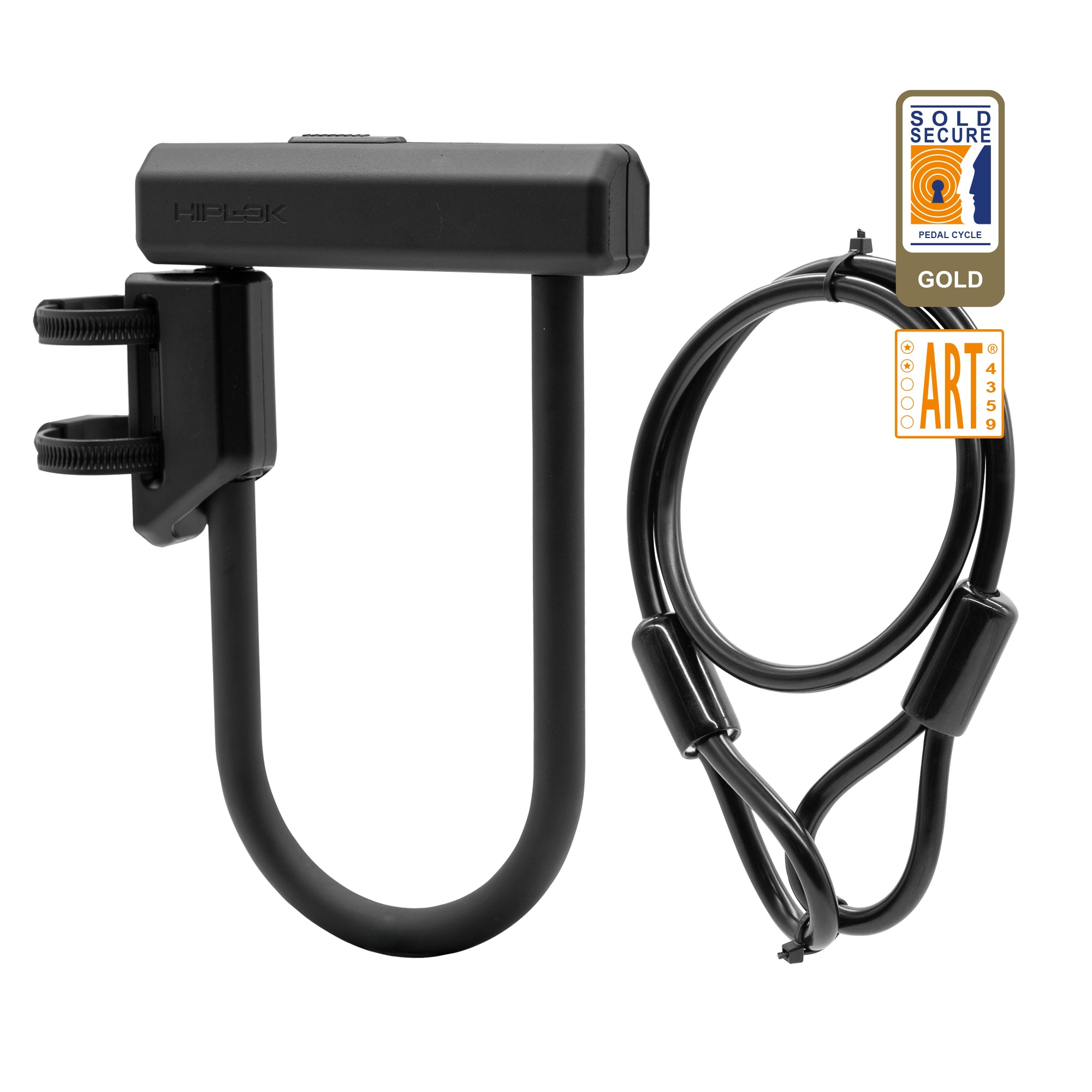
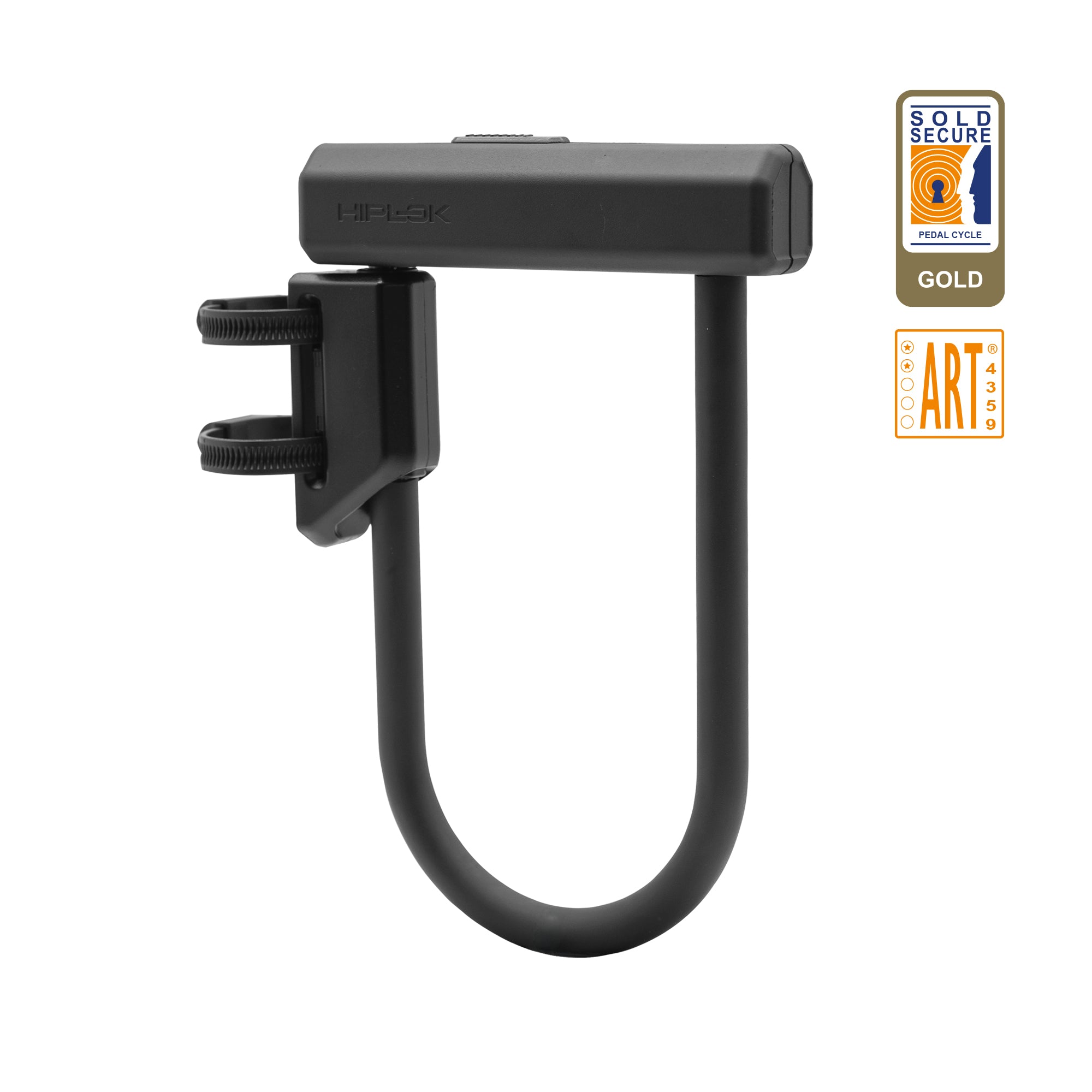
Sold Secure ratings help riders understand how different products perform against recognised attack methods.
For cyclists travelling with premium road bikes, gravel bikes or high-value e-bikes, choosing products with higher security ratings provides additional confidence that the lock has been independently assessed.
Rather than relying on marketing claims, independent testing allows you to compare products using a recognised benchmark.
Security ratings shouldn't be your only consideration, but they're an excellent starting point when narrowing down your options.

Portability is about more than weight
When you're travelling by bike, it's not just how much a lock weighs that matters. Where you're carrying that weight can make just as much difference.
A lock tucked away in a backpack or frame bag takes up valuable packing space and can affect how your bike handles, especially on longer rides. By contrast, a lock that's securely mounted to the bike or comfortably worn on your body keeps your gear organised and makes the lock easier to access whenever you stop.
That's why it's worth looking beyond the headline weight and thinking about how you'll carry your lock day after day.
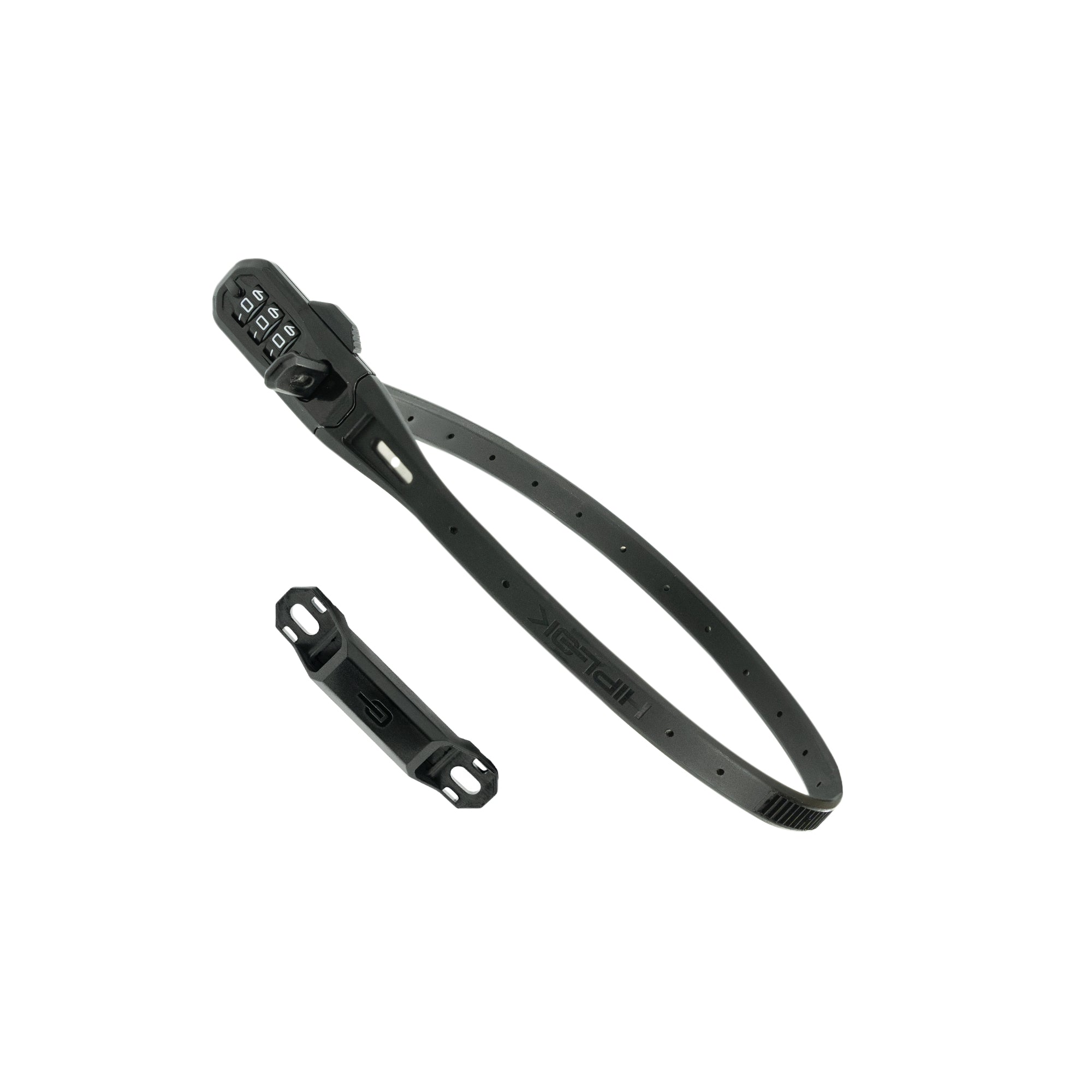
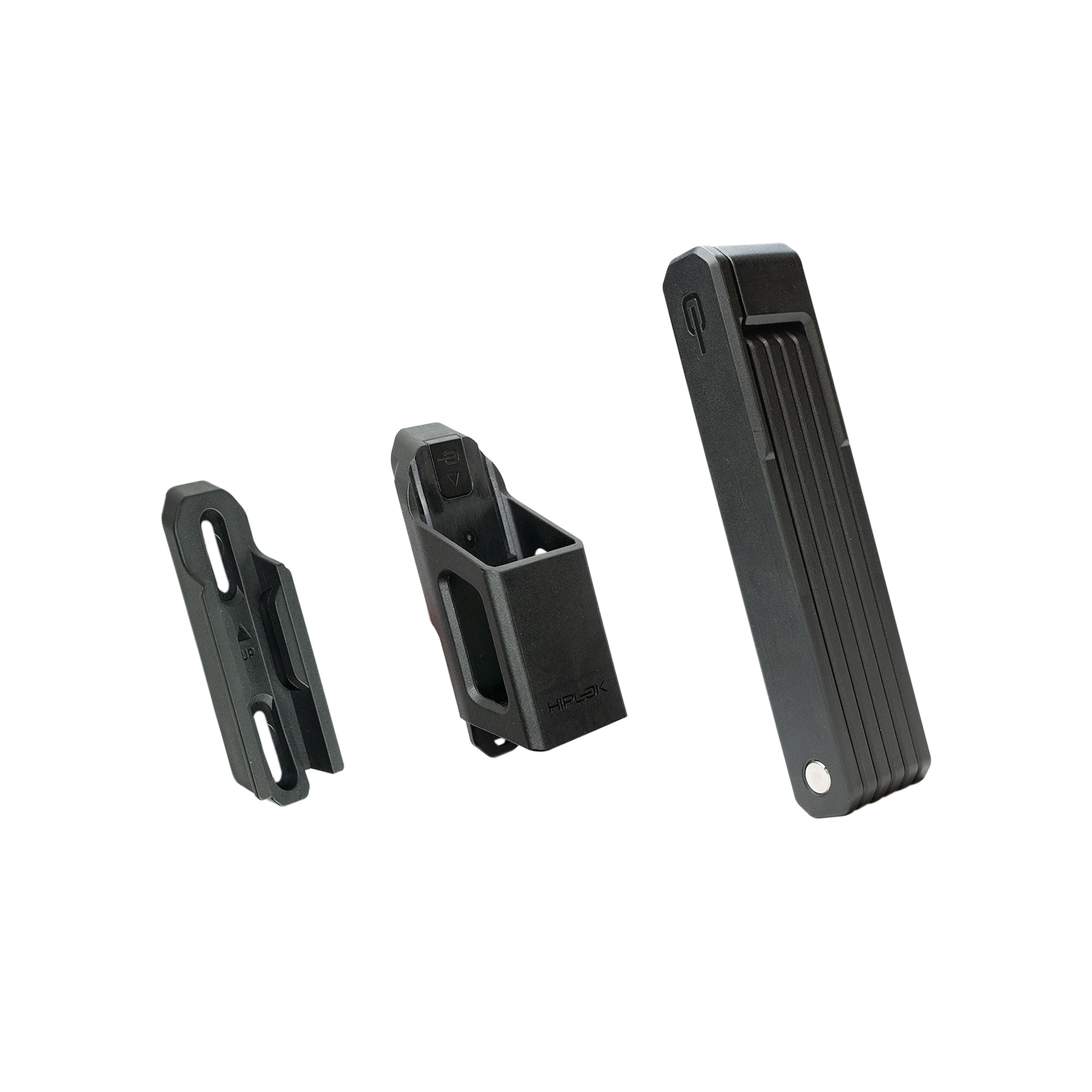
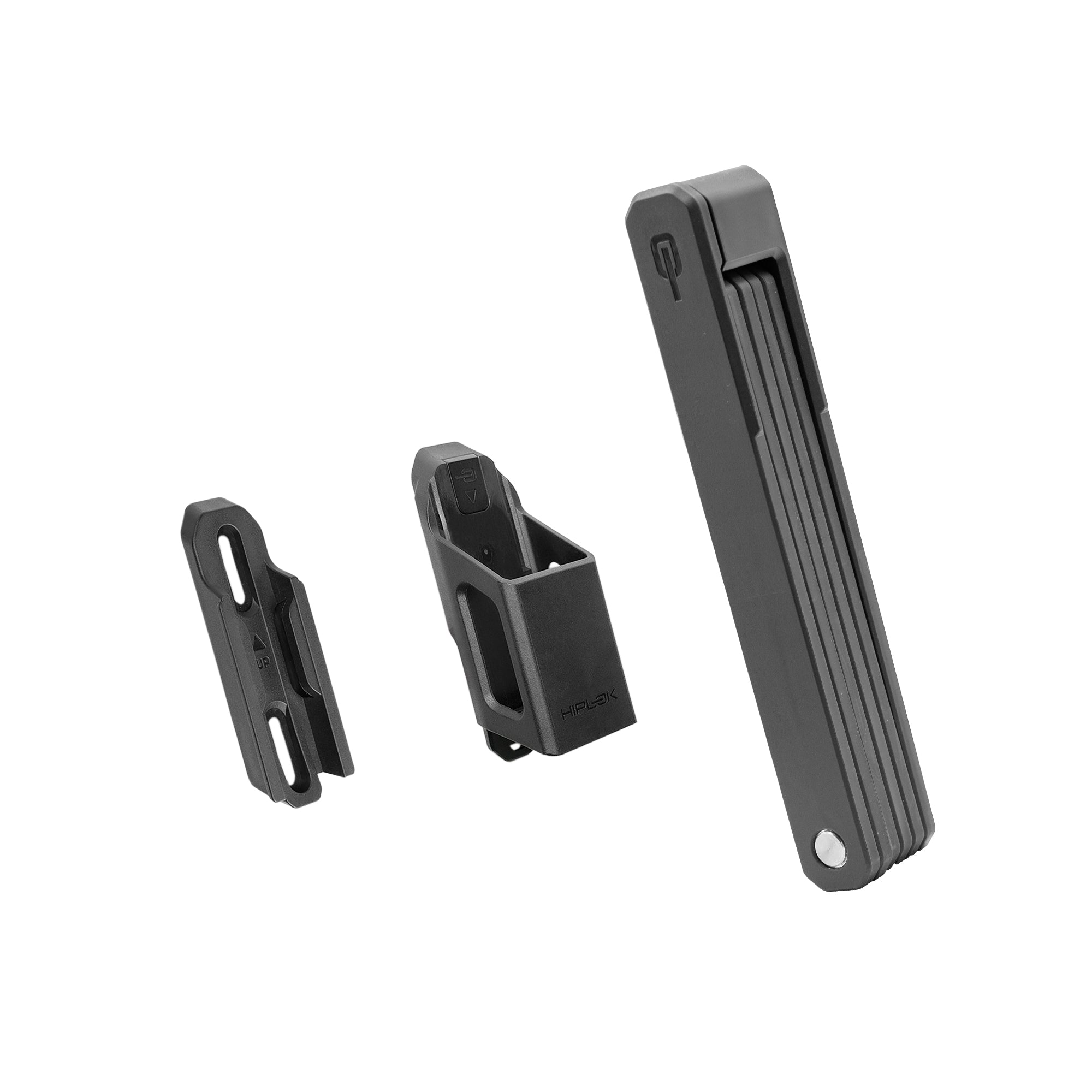
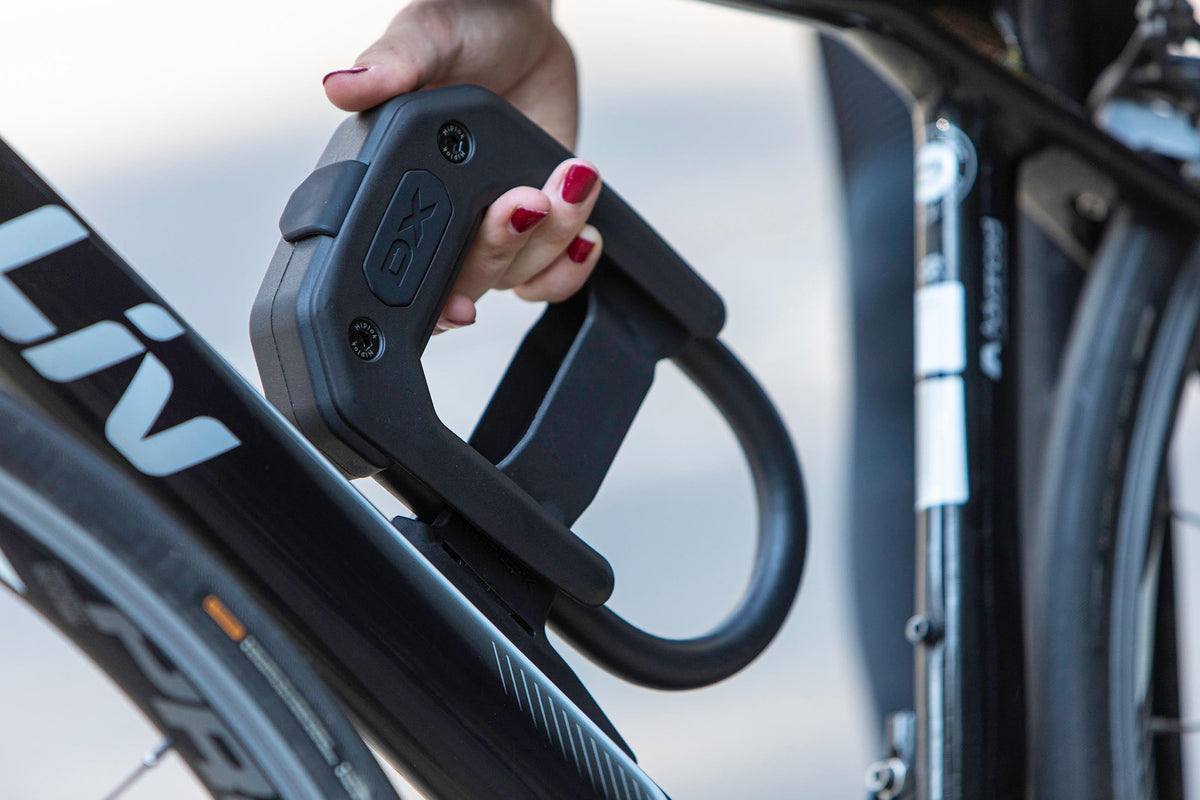
Many Hiplok D locks and folding bike locks can be paired with a bicycle mount, allowing you to carry the lock securely on your frame instead of inside your luggage. It's a simple feature, but one that makes travelling with a high-security lock much more practical, especially when you're covering long distances or stopping frequently throughout the day.

Wearable locks are another practical option, particularly if you want to keep your luggage free for camping kit or spare clothing. Some compact locks can be clipped to clothing or a bag, while wearable chain locks, such as the Hiplok LITE, are designed to be worn comfortably around your waist while riding. They're designed to adjust to your waist for convenient carrying until you need to lock your bike.
When comparing travel locks, think about how you'll carry them throughout your ride. Options include:
- A dedicated bicycle mount that keeps the lock securely attached to the frame
- A wearable lock that can be worn around your waist while you ride
- Compact locks that can be clipped to clothing or bags
- Storage inside a frame bag, seat pack or pannier
- Handlebar or fork-mounted luggage systems
The easier your lock is to carry, the more likely you'll use it consistently. Whether it's mounted to your bike, worn comfortably on your ride or packed neatly with the rest of your gear, the right carrying solution means you don't have to compromise between security and convenience.
Don't overlook lightweight security ties

A full-size bicycle lock won't always be the right tool for every job while you're travelling. There are plenty of occasions where you want to secure accessories rather than your bike itself.
That's where lightweight security ties can really earn their place in your kit.
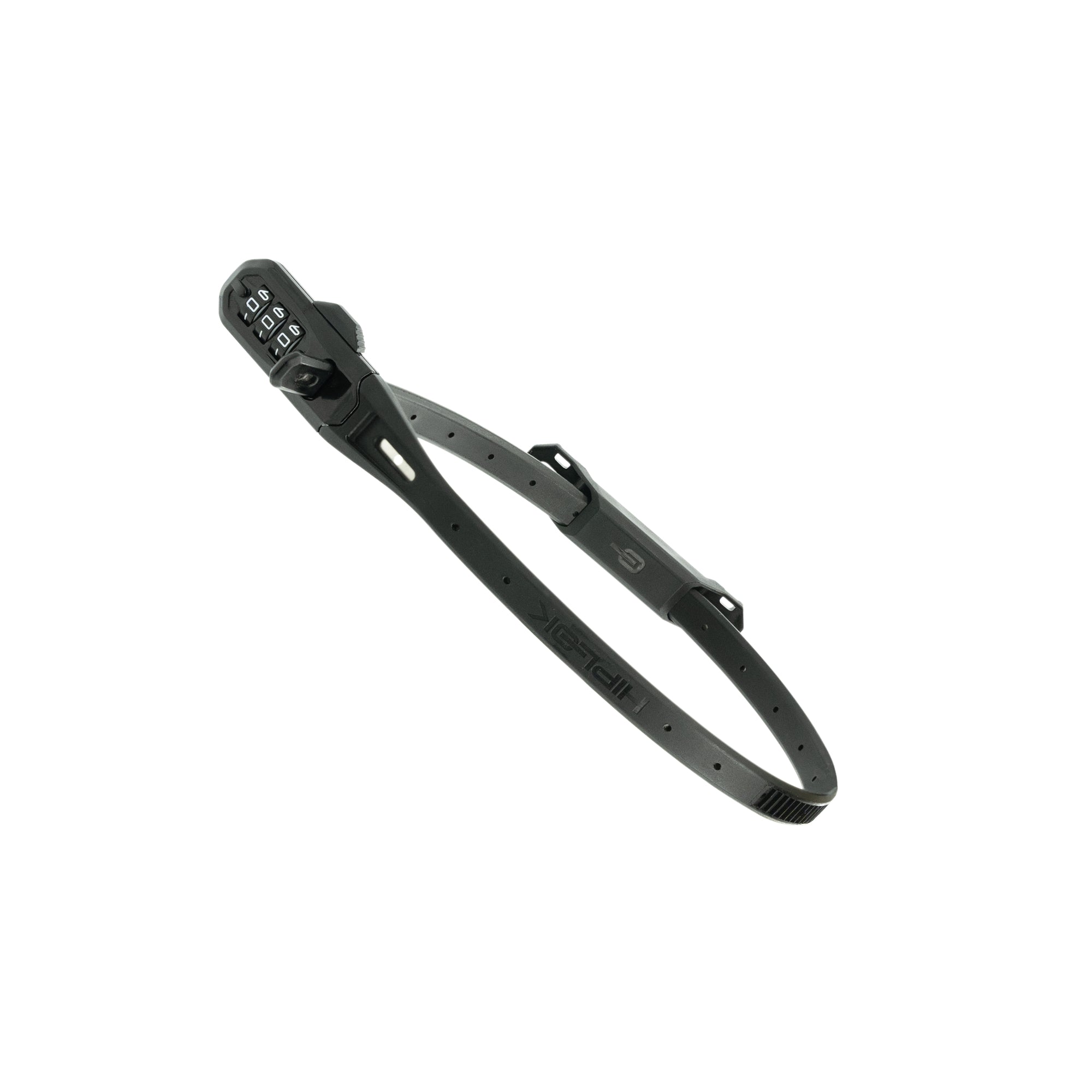
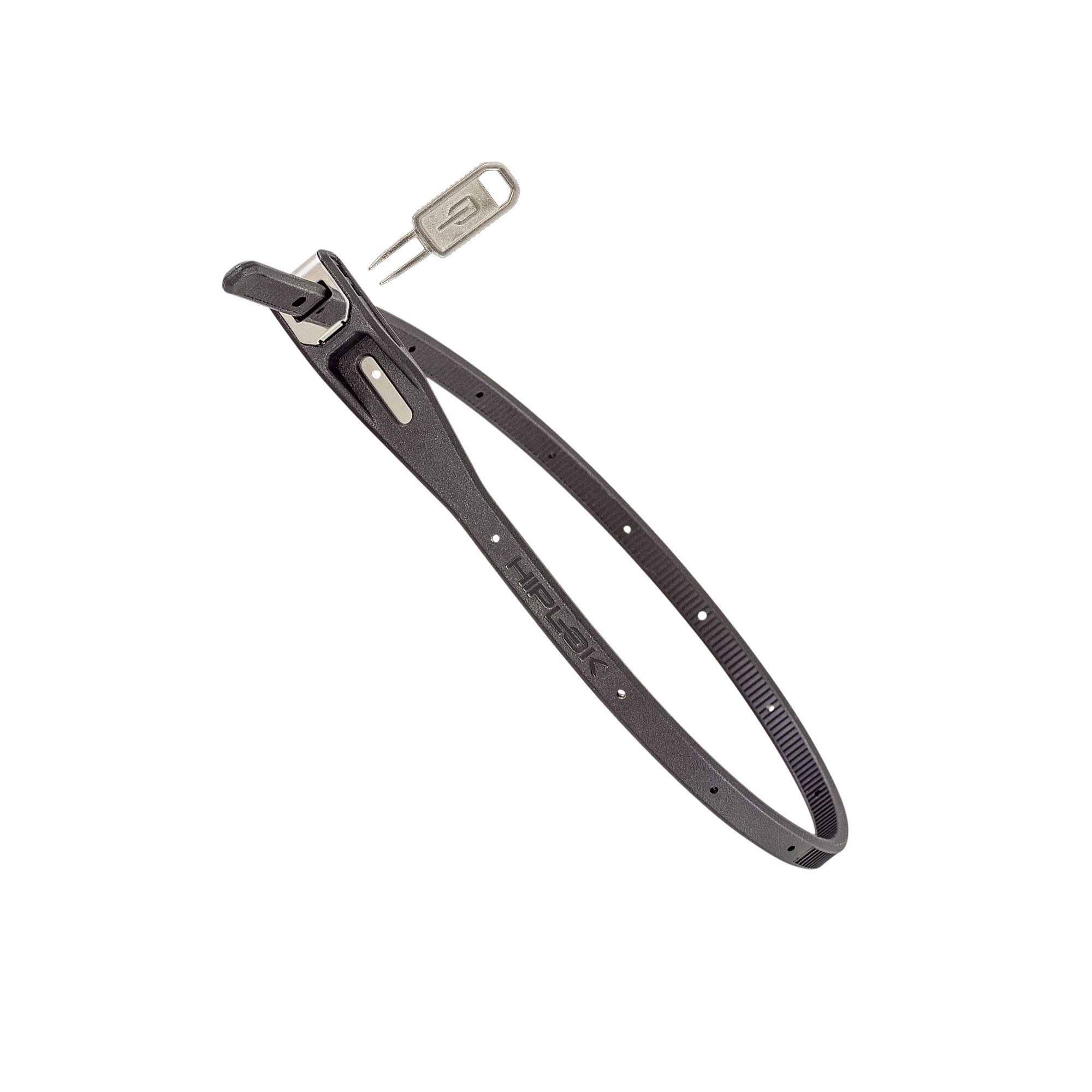
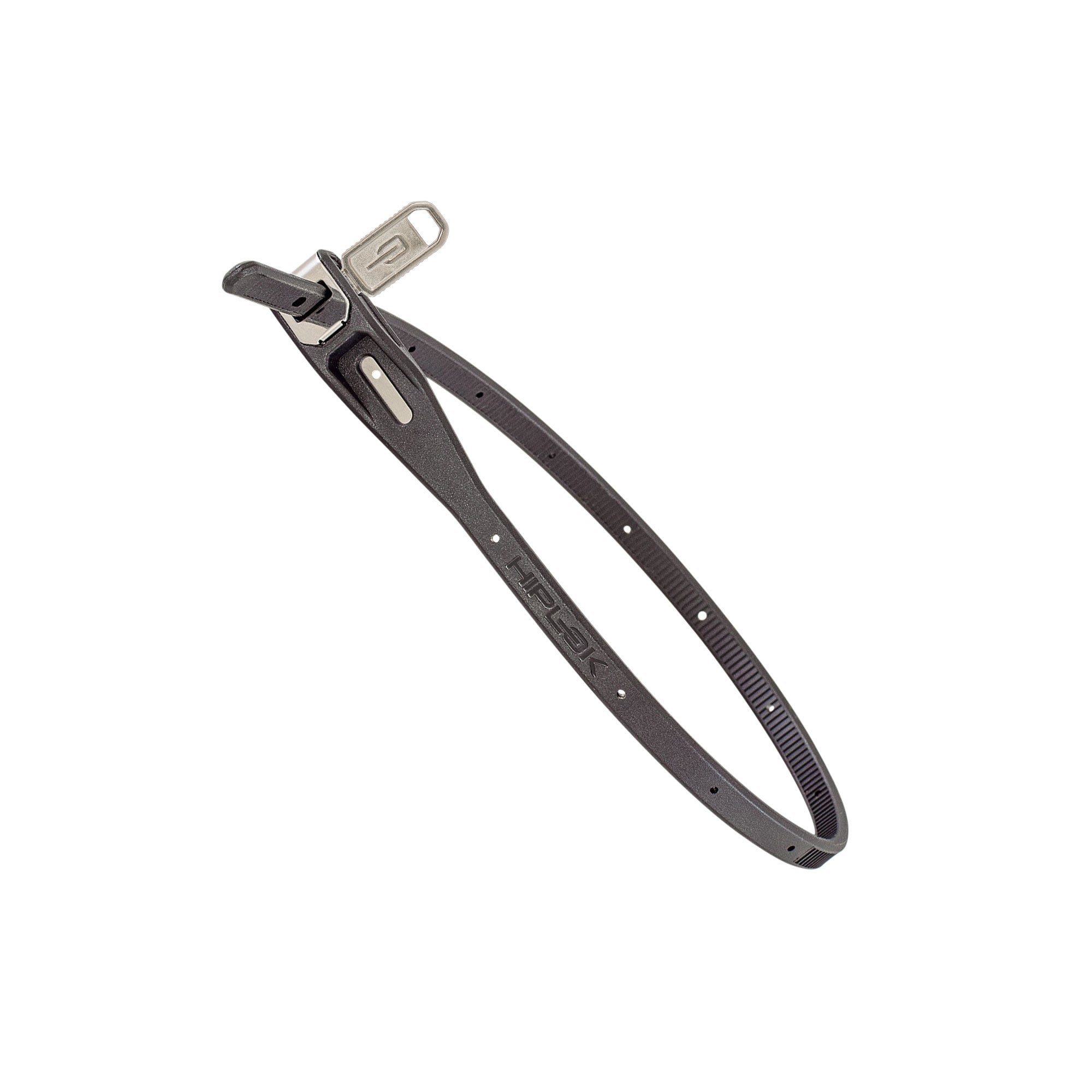
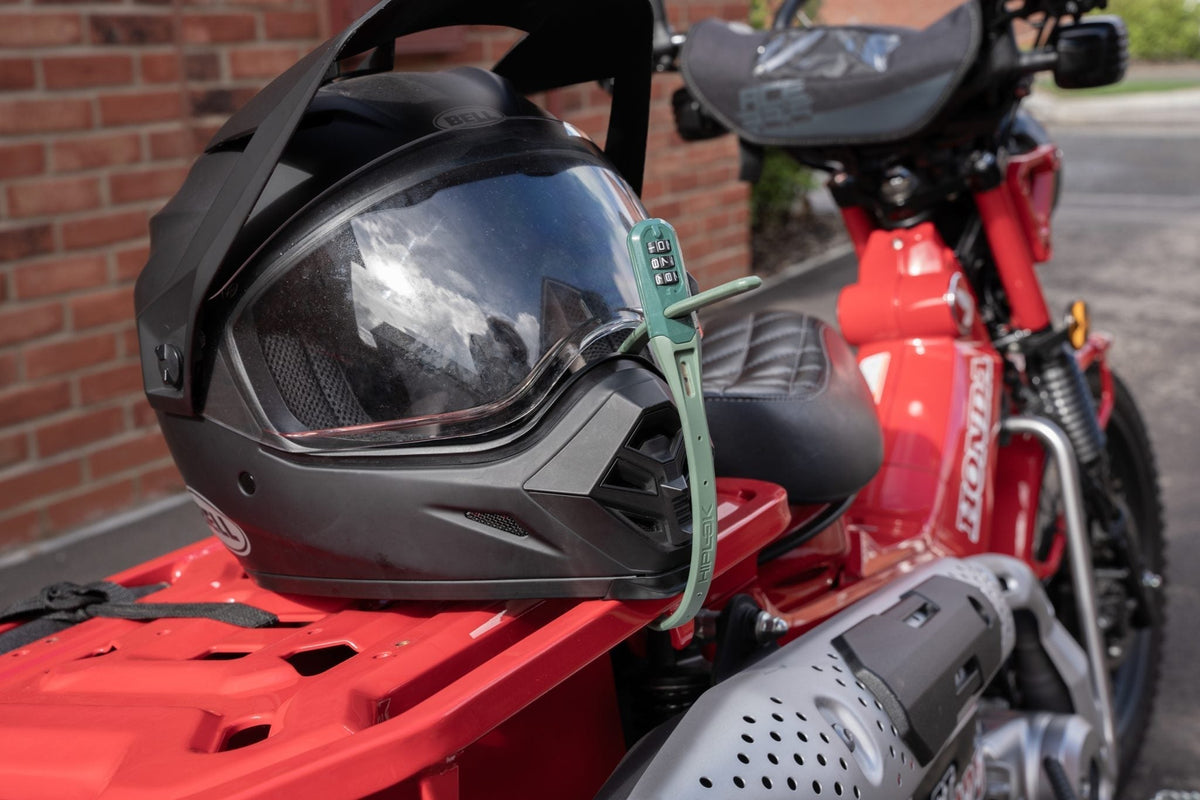
Products like the Hiplok Z LOK and Z LOK COMBO are small enough to slip into a jersey pocket, saddle bag or frame bag, adding very little weight while giving you a quick and convenient way to secure items when you're on the move.
They're commonly used to:
- Secure helmets while you stop for food or coffee
- Lock luggage or bikepacking bags to your bike during short stops
- Deter opportunist theft of accessories
- Secure child trailers, strollers or outdoor equipment when travelling
- Help secure bike racks to reduce the chance of them being removed while your vehicle is unattended
While a lightweight security tie isn't a replacement for a high-security bicycle lock, it's a useful addition to your travel kit. Having one with you means you can quickly secure the items that don't need the same level of protection as your bike but are still inconvenient or expensive to replace.
For many riders, it's these small, practical pieces of kit that make travelling by bike a little easier.
Which type of lock works best for travel?
Different styles of bicycle lock each have advantages depending on how you ride.
D locks

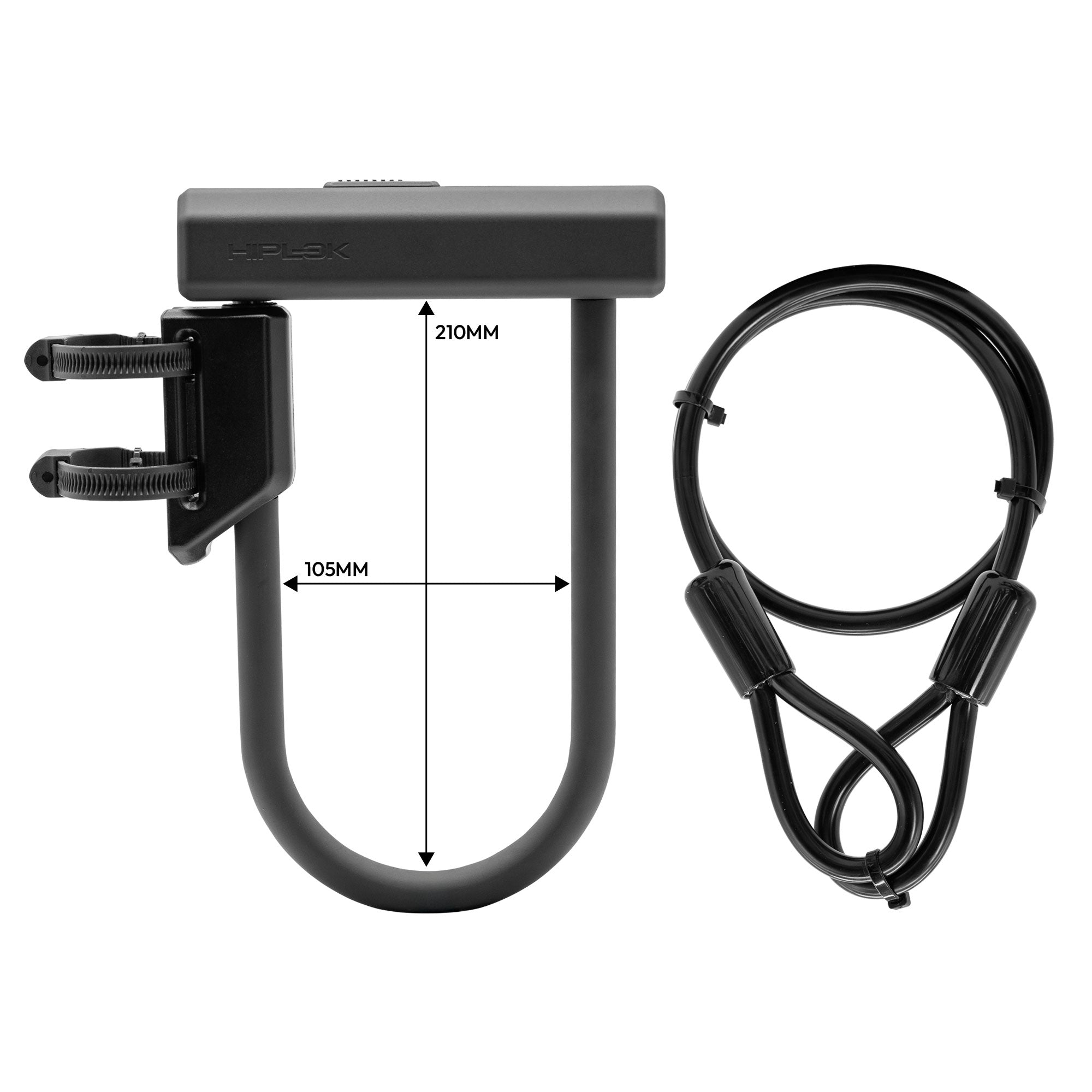
D locks continue to be one of the strongest options for riders looking for high security in a relatively compact package.
They're particularly effective for urban riding and situations where your bike may be left unattended for longer periods.
The trade-off is that they're less flexible when locking around unusually shaped objects.
Folding locks

Folding locks provide a useful middle ground.
Their articulated design folds into a compact package while offering greater reach than many D locks.
For many travelling cyclists, this flexibility makes it easier to find suitable locking points in unfamiliar locations.
Chain locks

Chain locks offer excellent versatility but generally weigh more than other designs.
For bikepacking, they can still be a good option when security takes priority over outright weight, particularly if you're planning longer stays in towns or cities.
Cable locks

A retractable cable bike lock can be useful for very low-risk situations or as a secondary deterrent.
However, riders travelling with expensive bicycles should understand their limitations and avoid relying on lightweight retractable designs as their primary security solution in higher-risk environments.
Summary
Choosing the right lightweight bike lock for travel and bikepacking is all about finding the right balance between security, portability and practicality. The best lock is one you'll carry on every ride, use consistently and trust when you need to leave your bike behind for a coffee stop, a visit to the shops or an overnight stay.
Think about the type of riding you do, the level of theft risk you're likely to encounter and how you'll carry your lock. Features like on-bike mounting can make a big difference on longer trips, while lightweight security ties such as Z LOK and Z LOK COMBO are a handy addition for securing accessories, luggage and bike racks without adding noticeable weight to your kit.
If you're still weighing up your options, check out our guide to Which Bike Locks Are the Best for Different Budgets? It explains how different lock types compare and what you can expect at different price points.
And if you've decided that portability is your priority, take a look at The Best Lightweight Bike Lock for Everyday Use. This article explores lightweight security solutions designed for commuting, everyday riding and your next adventure.


Share:
How to Securely Lock Your Bike with a Cable Lock
Best Rated Bike Locks: How Reviews and Security Ratings Line Up