

Understanding When a Bike Cable Lock Is Sufficient
If you ride regularly, your bike quickly becomes part of your routine. It's how you get across town, squeeze in a ride before work, or clear your head at the end of the day. So when you lock it up, you're not just securing a frame and wheels, you're protecting something you rely on.
That's where choosing the right lock matters. Not every situation calls for the same level of security, and understanding the difference between cable locks, chain locks, and D locks helps you make smarter decisions.
Quick Comparison: Cable vs Chain vs D Lock
Before diving into when a cable lock is enough, it helps to understand how the main lock types compare.
Cable locks
- Lightweight and flexible
- Easy to carry and pack
- Lower resistance to cutting tools
- Best for low-risk, short stops
Chain locks
- High strength and versatile
- Can secure to a wide range of objects
- Heavier, but offer strong resistance
- Ideal for medium to high-risk environments
D locks
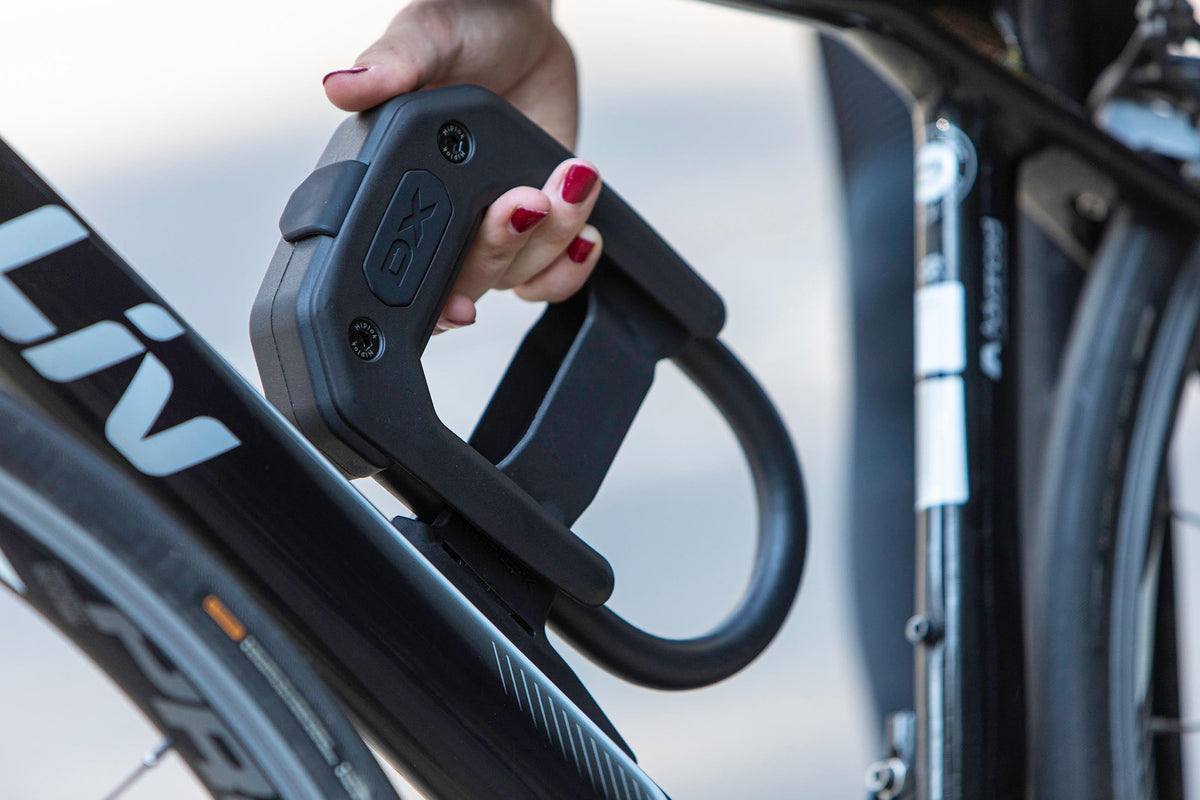
- Rigid and highly resistant to attacks
- Compact and secure against leverage attacks
- Limited reach compared to chains
- Best for urban and high-risk areas
Each type is designed around a different balance of portability and protection. The key is matching that balance to how and where you ride.
What Makes Cable Locks Different?
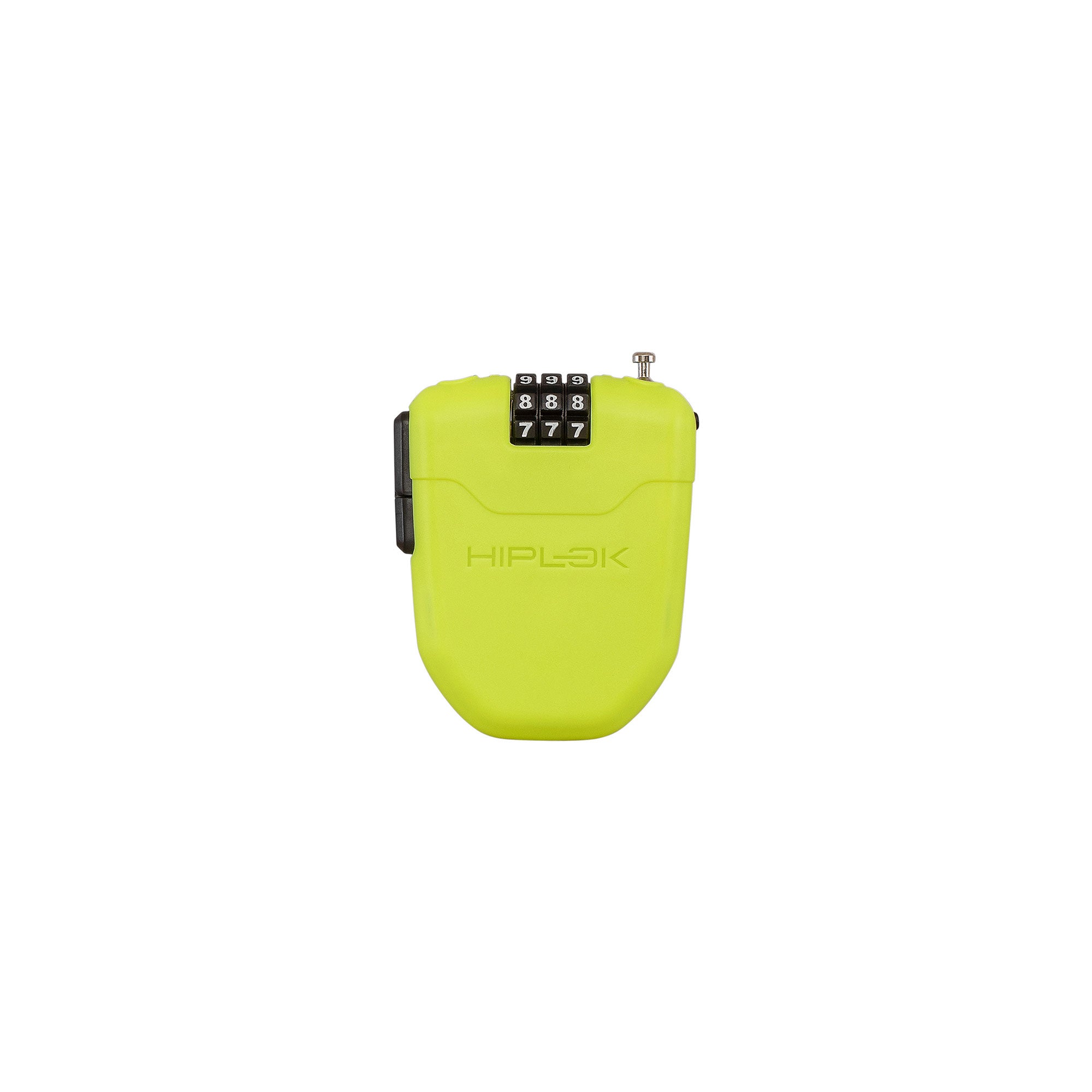
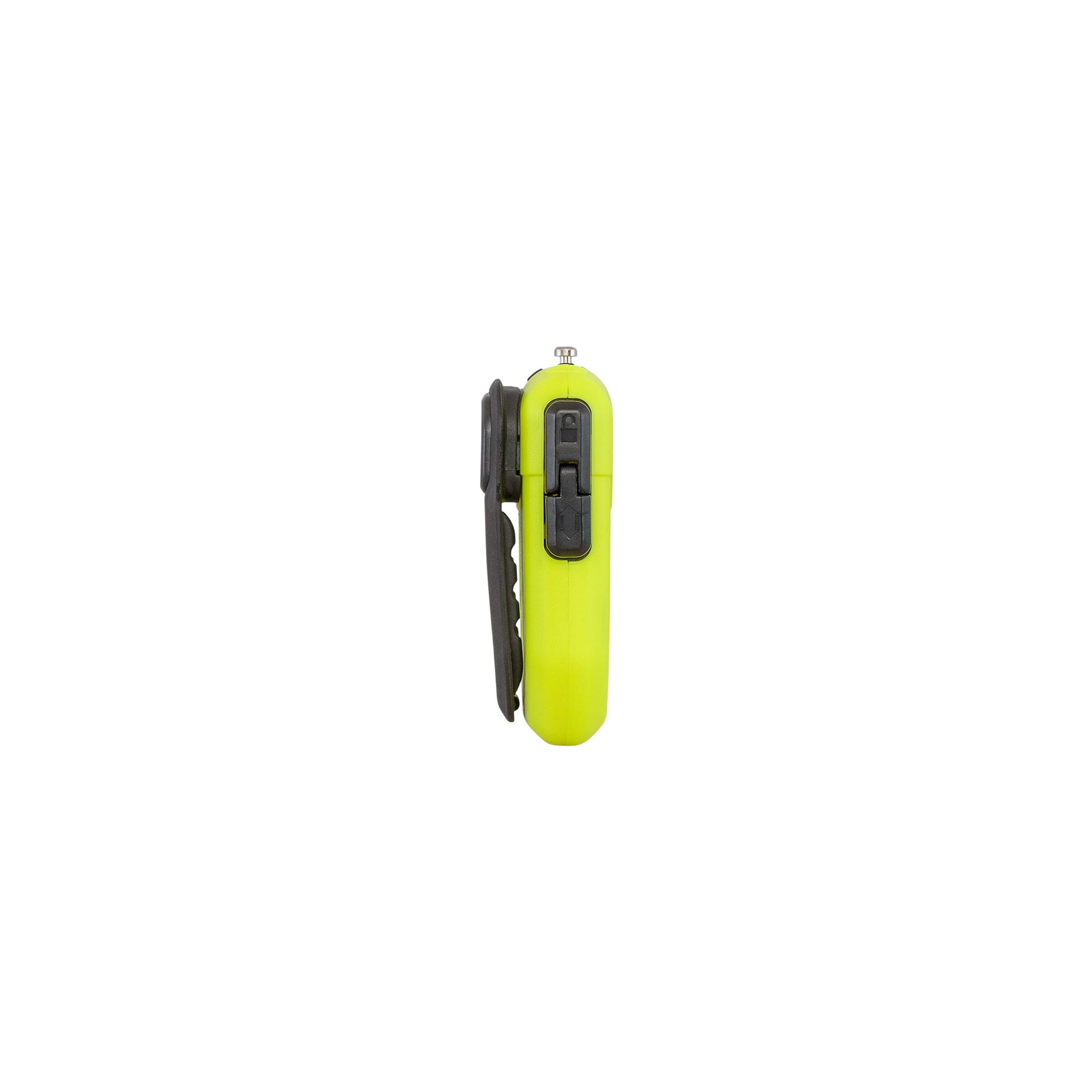
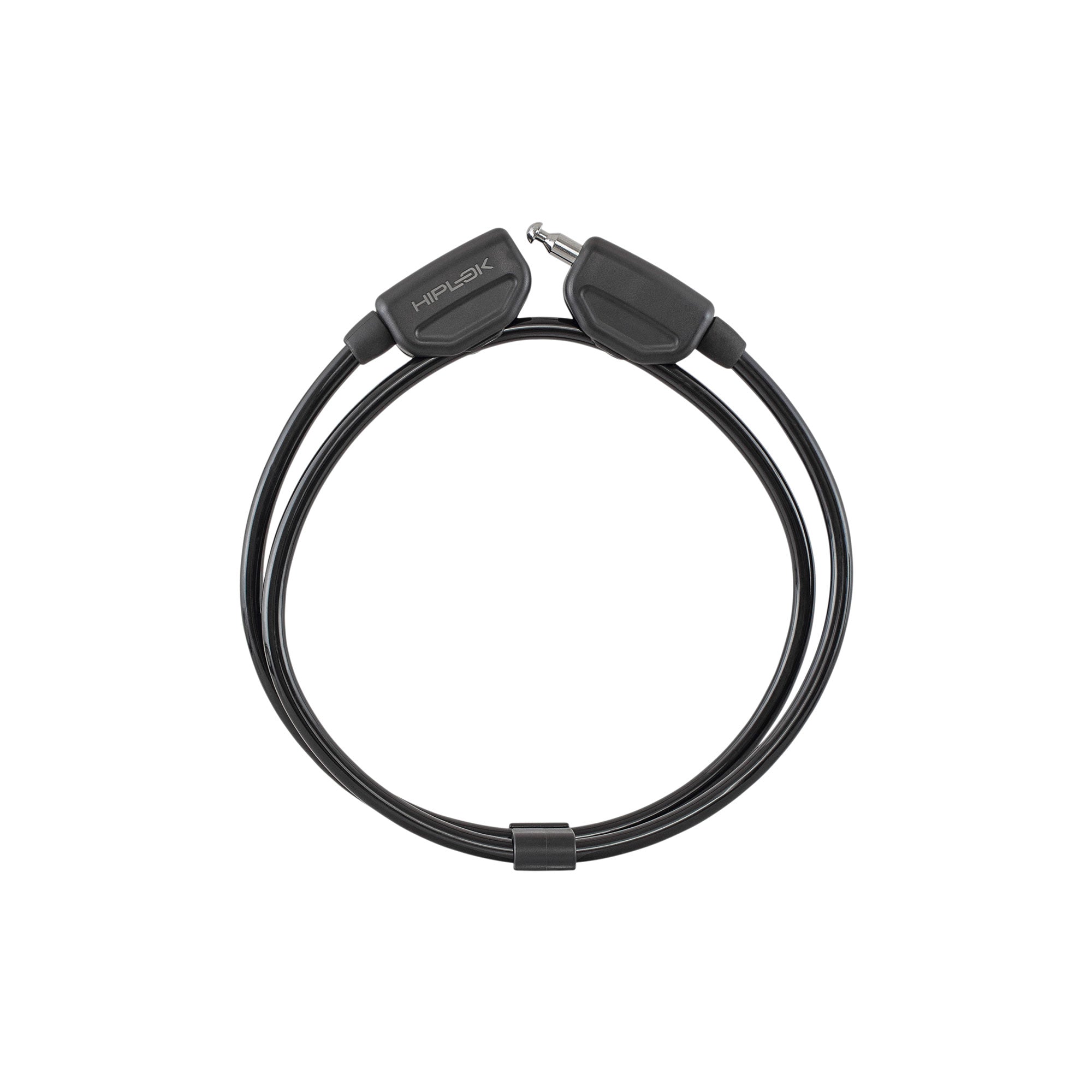
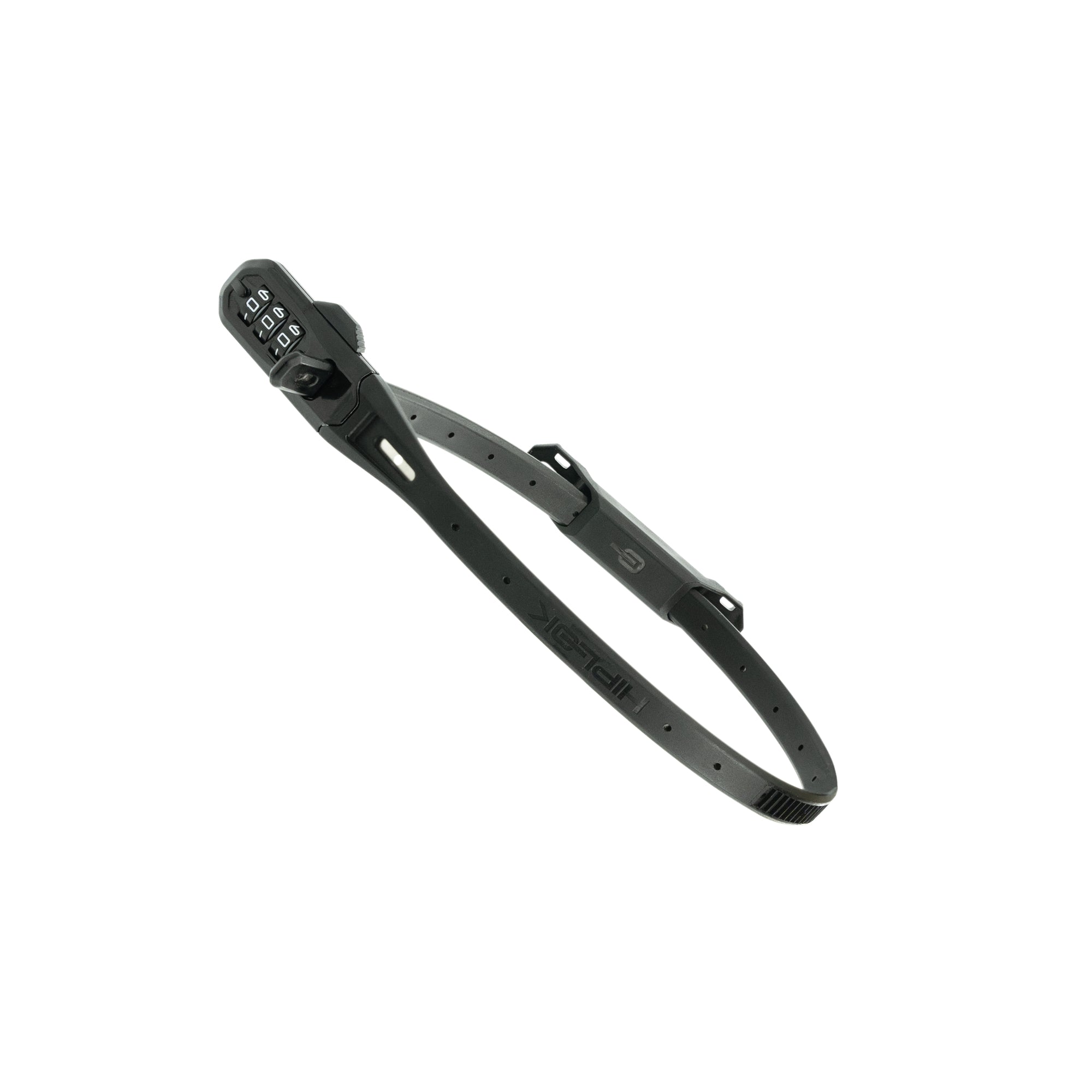
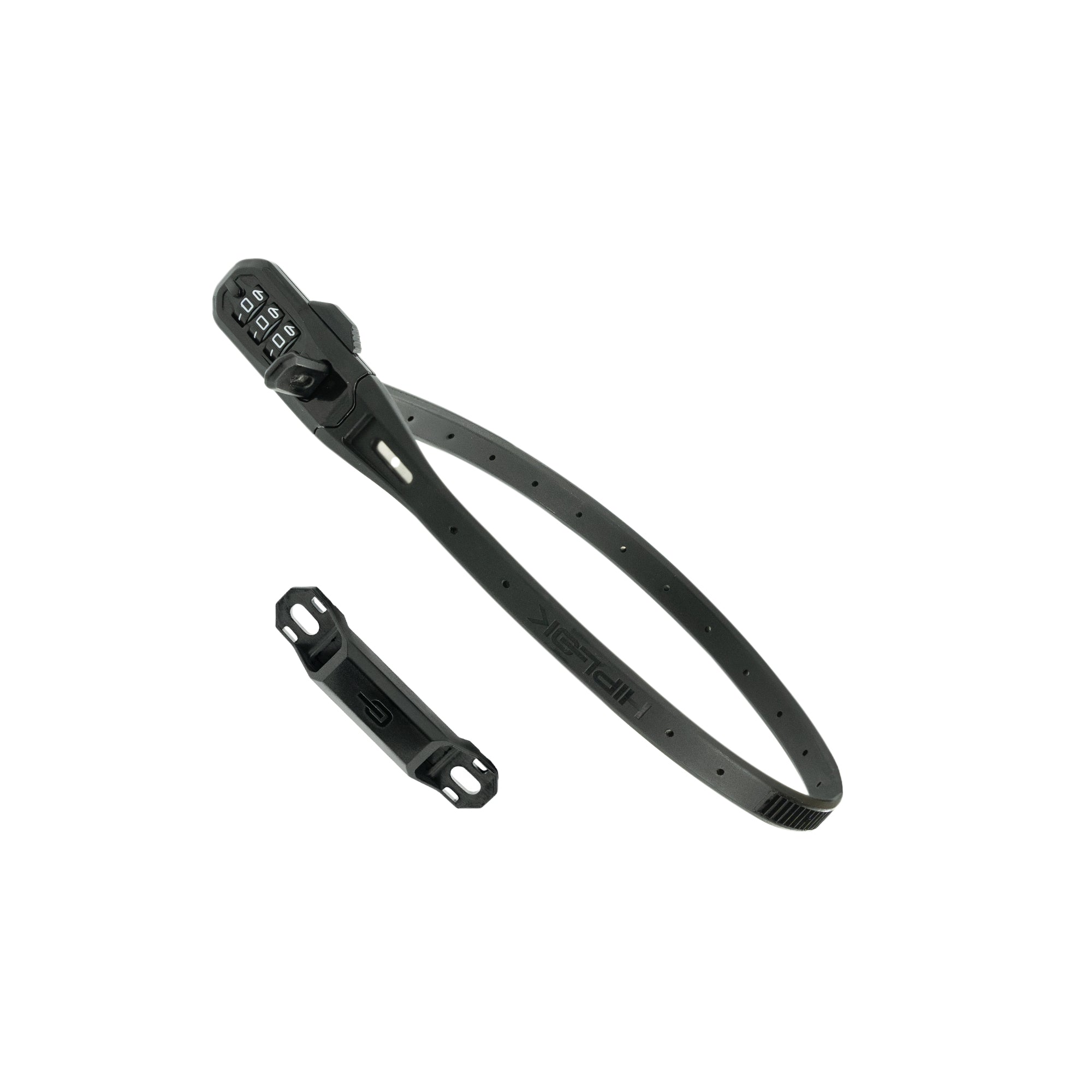
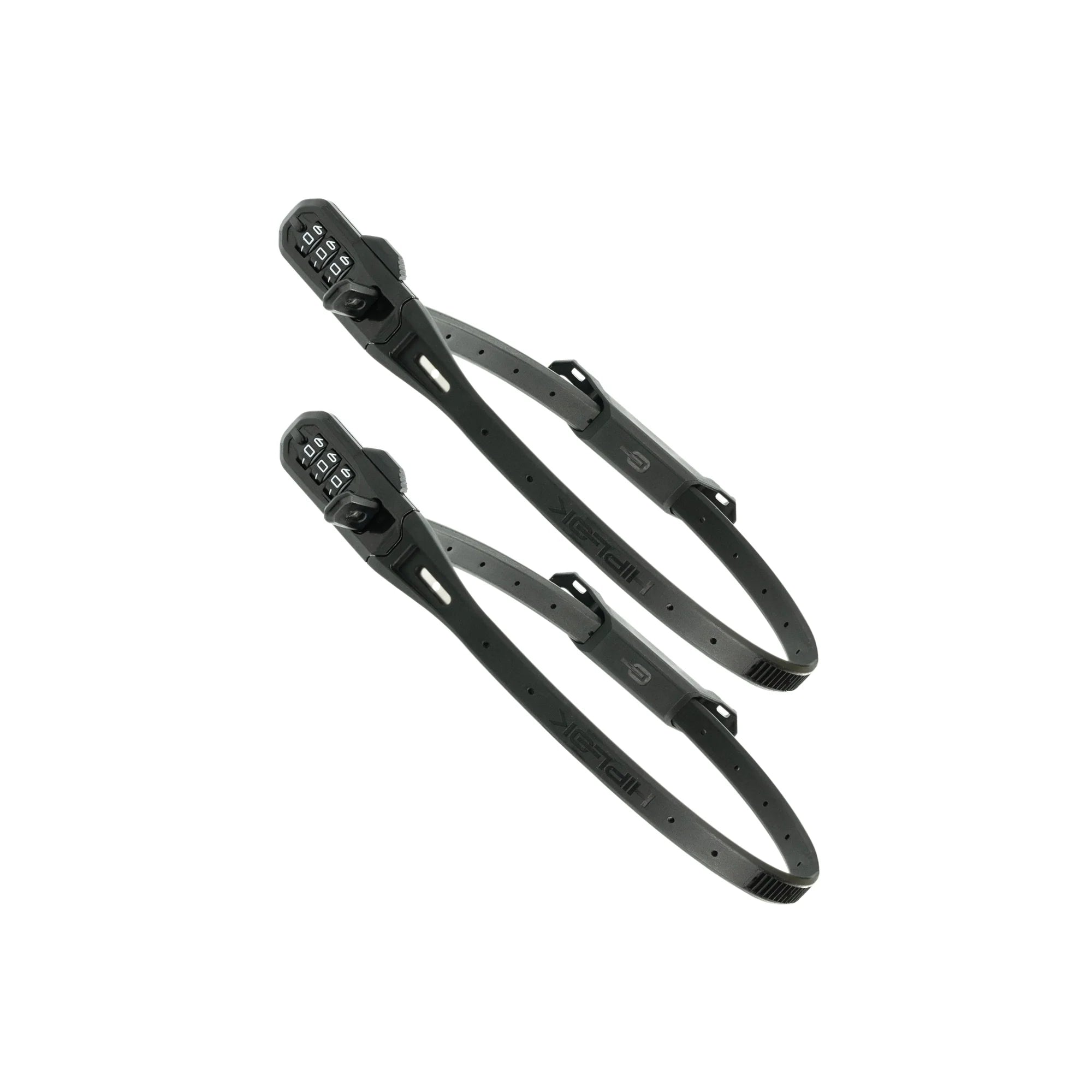
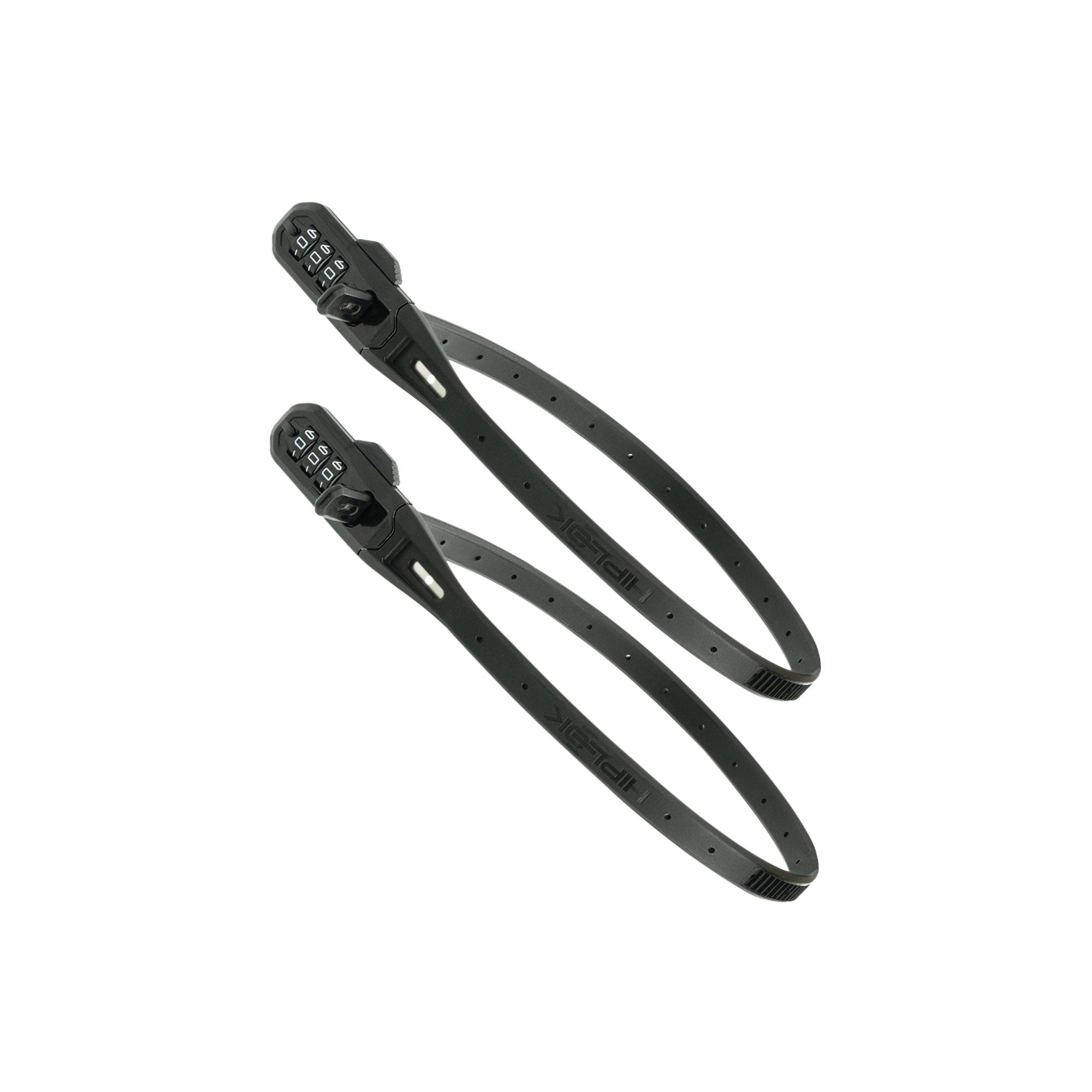
Cable locks are built for convenience. They're easy to carry, quick to use, and flexible enough to loop through awkward frames, wheels, or accessories.
But that flexibility comes with a trade-off.
Compared to chain locks or D locks, cable locks offer lower resistance to cutting tools. That doesn't make them useless, it just means they're suited to specific situations rather than all-day, high-risk parking.
We design cable locks to solve real-world problems like quick stops, accessory security, or adding a second layer of deterrence. Used in the right context, they're a practical part of your setup.
When Is a Bike Cable Lock Enough?
A cable lock can be the right choice when the risk is low and your bike isn't left unattended for long.
Typical scenarios include:
- Quick café stops where your bike is within sight
- Quiet suburban areas with low reported theft
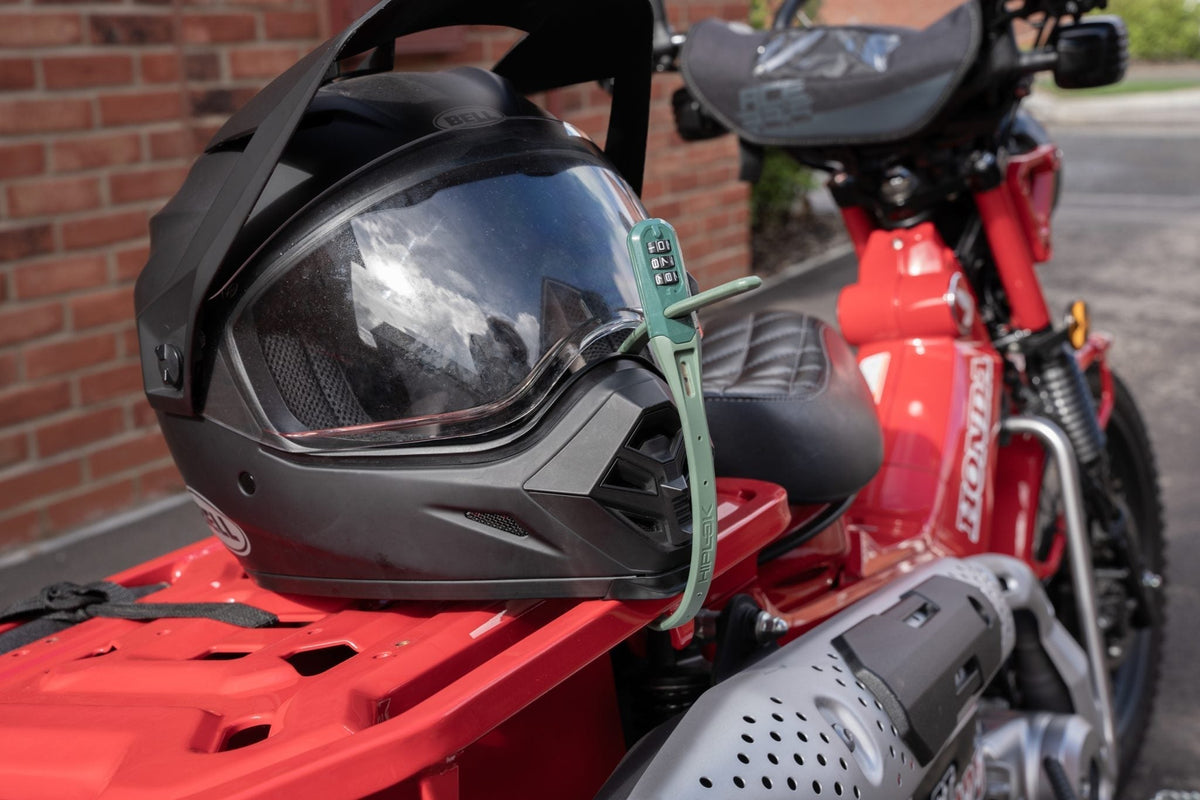
- Securing accessories like helmets or wheels alongside another lock
- Low-value or older bikes where risk is lower
In these situations, the goal isn't maximum resistance, it's deterrence. A visible lock will discourage the opportunistic thief, and is often enough to make them think twice.
If someone would need tools and time to take your bike, they're more likely to move on.

When a Cable Lock Isn't Enough
There are plenty of situations where a cable lock on its own doesn't offer enough protection.
You'll want to step up to a chain lock or D lock when:
- You're parking in busy urban areas
- Your bike is left overnight or for long periods
- You ride a high-value bike or e-bike
- There's a known history of theft in the area
In these cases, resistance time matters more. Stronger locks are designed to slow down attacks and make your bike a less attractive target.
How to Assess Your Theft Risk
Choosing between cable, chain, and D locks comes down to understanding your environment.
A few simple questions help guide that decision:
- How long will your bike be left unattended?
- Is the area busy, isolated, or well overlooked?
- What's the value of your bike — financially and personally?
- Are there secure locking points available?
The answers shape the level of security you need. There's no single "best" lock, only the right one for the situation.
Pros and Cons of Cable Locks
Cable locks have a clear role, but it's important to understand both sides.
Advantages
- Lightweight and easy to carry
- Flexible for awkward locking points
- Quick to use for short stops
- Usually more affordable
Limitations
- Lower resistance to cutting attacks
- Not suitable for high-risk areas
- Less deterrent against determined thieves
Used correctly, the advantages outweigh the limitations. Used in the wrong place, they leave your bike exposed.
Making a Cable Lock More Effective
If you're using a cable lock, there are a few ways to get the most out of it.
- Lock your bike in visible, well-lit areas
- Keep stops short and predictable
- Secure the frame, not just a wheel
- Avoid leaving your bike in the same spot for long periods
You can also combine a cable with a stronger lock for added flexibility, especially when securing wheels or accessories.
For more options designed specifically for these situations, explore our range of bike cable locks.

Choosing the Right Lock for Your Riding Style
Most riders don't stick to just one type of lock.
If your routine includes a mix of quick stops and longer parking, it often makes sense to match your security to the situation:
- Cable lock for short, low-risk stops
- D lock for daily urban commuting
- Chain lock for home or overnight security
That way, you're not carrying more weight than you need, but you're also not under-protecting your bike when it matters.
Conclusion
Cable locks have a clear place in bike security, just not everywhere.
When the risk is low and the stop is short, they're a practical, easy-to-carry solution that adds real deterrence. But as soon as time, value, or location changes, stepping up to a chain or D lock makes a big difference.
The goal isn't to carry the heaviest lock possible. It's to understand your riding habits and choose the right level of protection for each situation.
Find the right cable lock for your bike
FAQs
What are the main differences between cable, chain, and D locks?
Cable locks prioritise portability and flexibility, while chain locks and D locks are built for higher security and greater resistance to attack.
Are cable locks secure enough for city use?
On their own, cable locks are usually not suitable for high-risk urban areas, especially for long periods.
Can I use a cable lock with another lock?
Yes. Cable locks are often used alongside D locks or chain locks to secure wheels or accessories.
How do I know if my area is low risk?
Look at how busy the area is, whether bikes are commonly locked there, and if theft is known to happen locally.
What type of lock is best for daily commuting?
For most urban commuting, a D lock offers a strong balance of security and portability.

Share:
Top Bike Cable Locks for Low-Risk Stops: A Comprehensive Guide
How to Securely Lock Your Bike with a Cable Lock