

A garage with one bike in it is fairly easy to organise. Add a motorcycle, a couple of bicycles, a scooter, helmets, riding kit, tools and chargers, and things get complicated surprisingly quickly.
For many of us, those bikes aren’t just things being stored. They’re the motorcycle we’ve set up for long trips, the bicycle we grab for a local ride, or the scooter someone in the family relies on every day. We’ve spent time choosing them, riding them and making them work for us. A good multi-bike garage should make looking after all of them easier.
The aim isn’t to squeeze as much as possible into every available corner. It’s to create a garage layout where each vehicle is easy to access, sensible to secure and protected from accidental knocks or damage.
What is the best way to organise a multi-bike garage?
A well-organised multi-bike garage gives the largest and heaviest vehicles a clear route to the door, uses walls for lighter bikes and equipment, and builds security into the layout rather than adding it afterwards.
A practical order for planning the space is:
- Position your motorcycle and other heavy vehicles first, keeping a clear route between their parking position and the garage door.
- Decide where fixed security points such as a motorcycle anchor can be installed and used comfortably.
- Use suitable wall storage for bicycles where it saves useful floor space without making daily access awkward.
- Give scooters and frequently used bikes accessible positions rather than burying them behind larger vehicles.
- Create dedicated areas for helmets, riding kit, tools and touring equipment.
- Plan charging points and cable runs so leads don’t cross walkways or sit where vehicles can roll over them.
- Check that every vehicle can be removed without having to rearrange half the garage first.
Thinking about movement before storage usually produces a better layout. A perfectly neat garage isn’t much use if getting the motorcycle out means moving three bicycles every morning.
Start with the vehicles that are hardest to move

When you’re setting up a shared garage for motorbikes, bicycles and scooters together, it makes sense to begin with the motorcycle.
Motorcycles are heavier, need more room to manoeuvre and generally can’t be lifted onto a wall when they’re in the way. If you’re a touring rider with panniers, a top box or other luggage fitted, remember to plan for the motorcycle’s real dimensions rather than its width on a specification sheet.
Try to give the motorcycle a straightforward route from its parking position to the garage entrance. Ideally, you shouldn’t have to negotiate hanging handlebars, loose scooters or storage boxes every time you ride.
The same principle applies to larger cargo bikes and heavy e-bikes. If something is difficult to lift or manoeuvre, give it floor space first and organise lighter equipment around it.
Create zones around how often you ride
Not every vehicle in a multi-bike garage needs the same level of access.
If your motorcycle gets used every weekend, your commuter bicycle goes out every weekday and another bicycle only appears occasionally, storing all three in equally prominent positions doesn’t make much sense.
Keep frequently used vehicles closest to their natural route out of the garage. Less frequently used bicycles can make better candidates for wall storage or positions further from the door.
This becomes especially useful if you’re preparing for a motorcycle tour. Being able to park the motorcycle, load luggage and reach your riding kit without weaving around other bikes makes packing far less frustrating.
A garage should work when you’re actually using it, not just when everything has been tidied for a photograph.
Build security into the garage layout
Organisation and security work best when they’re planned together.
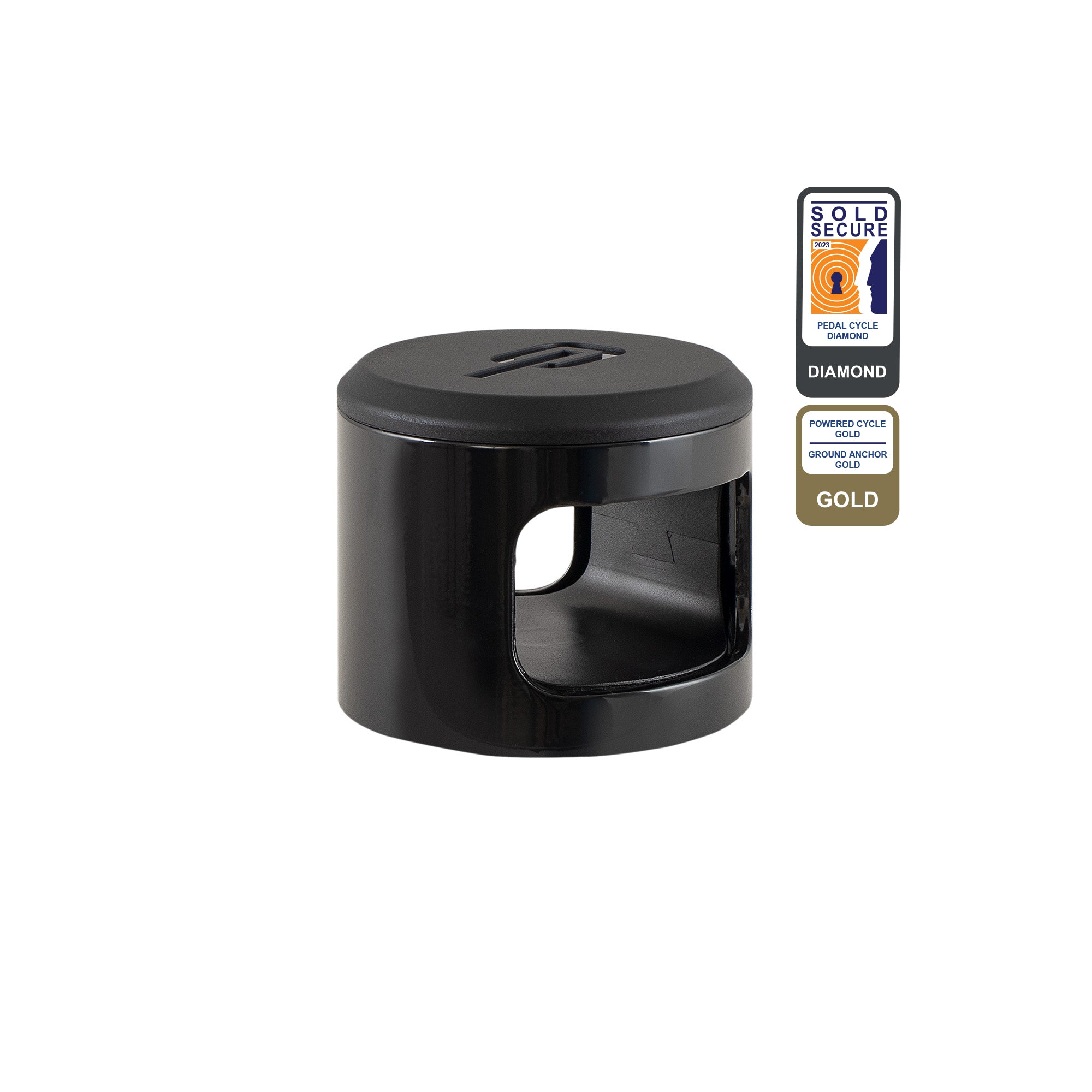
A ground or wall anchor gives you a fixed point that can form part of a motorcycle or bicycle security setup. Position matters, though. An anchor that’s hidden behind stored furniture or requires an awkward locking position may be used less consistently.
Before installing one, think about where the motorcycle normally sits, where a lock can pass through the bike and whether the locking area remains usable when the rest of the garage is full.
For a closer look at placement and installation considerations, our guide to choosing a Motorcycle Ground Anchor explains how an anchor fits into a home security setup.
No security system makes a bike theft-proof. The goal is to increase the time, effort and noise required to attack it while making the locking routine straightforward enough that you’ll actually use it.
Where several valuable bikes share one garage, avoid assuming that simply having them behind a garage door provides enough protection. Think of the building, fixed security points and individual locks as different layers rather than alternatives to one another.
Use wall space without making bikes awkward to reach

Wall storage can free up a lot of floor space, particularly when several bicycles share the garage with a motorcycle.
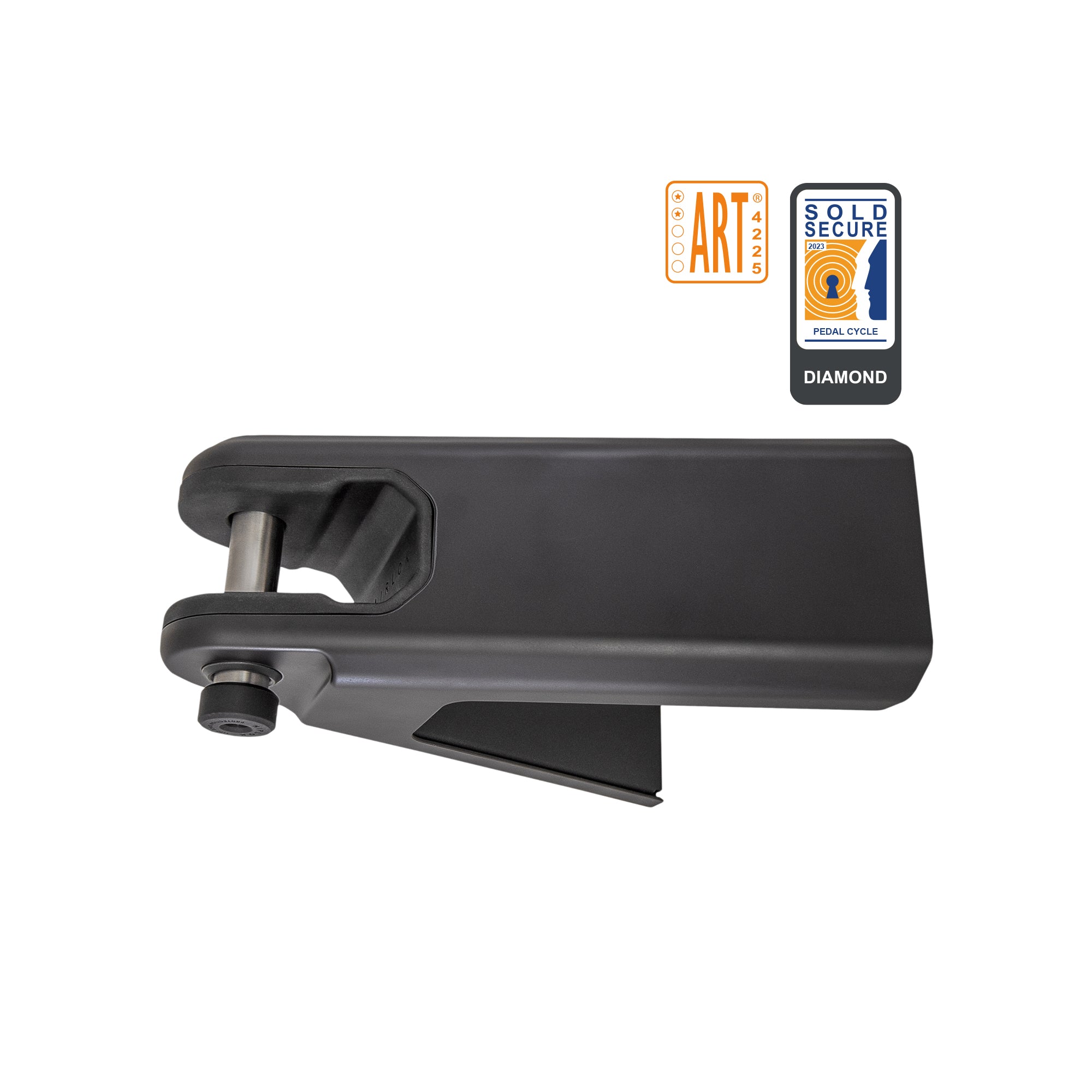
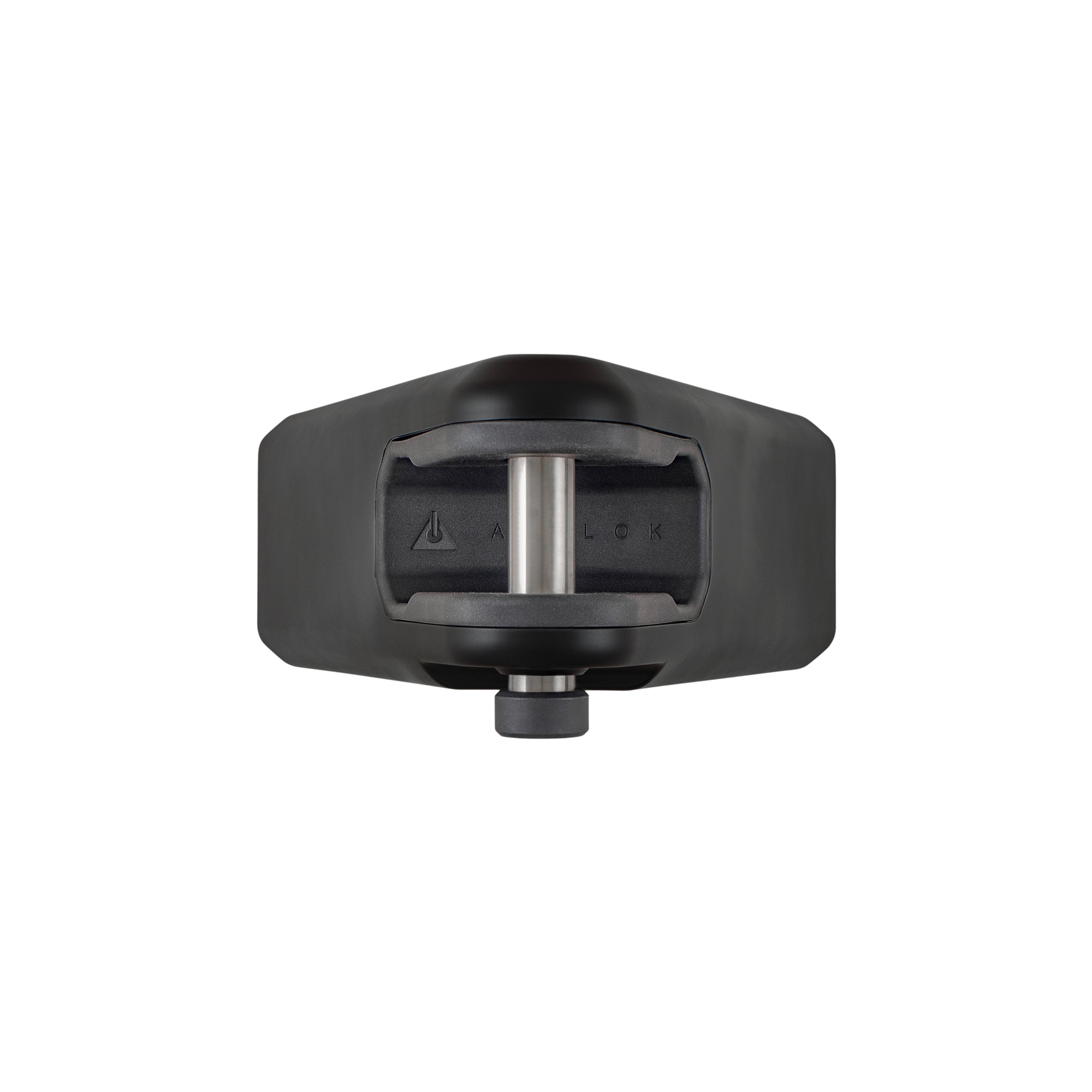
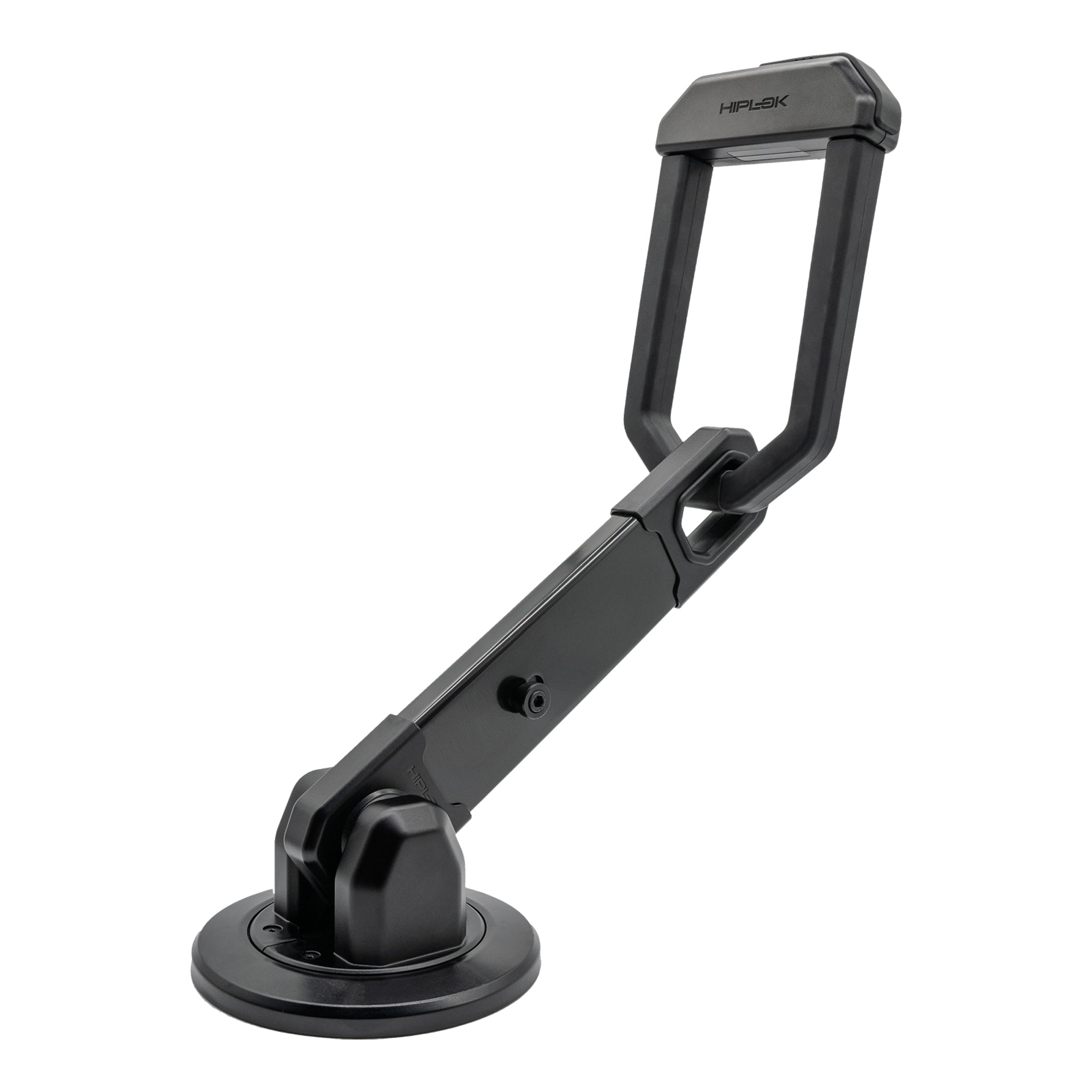
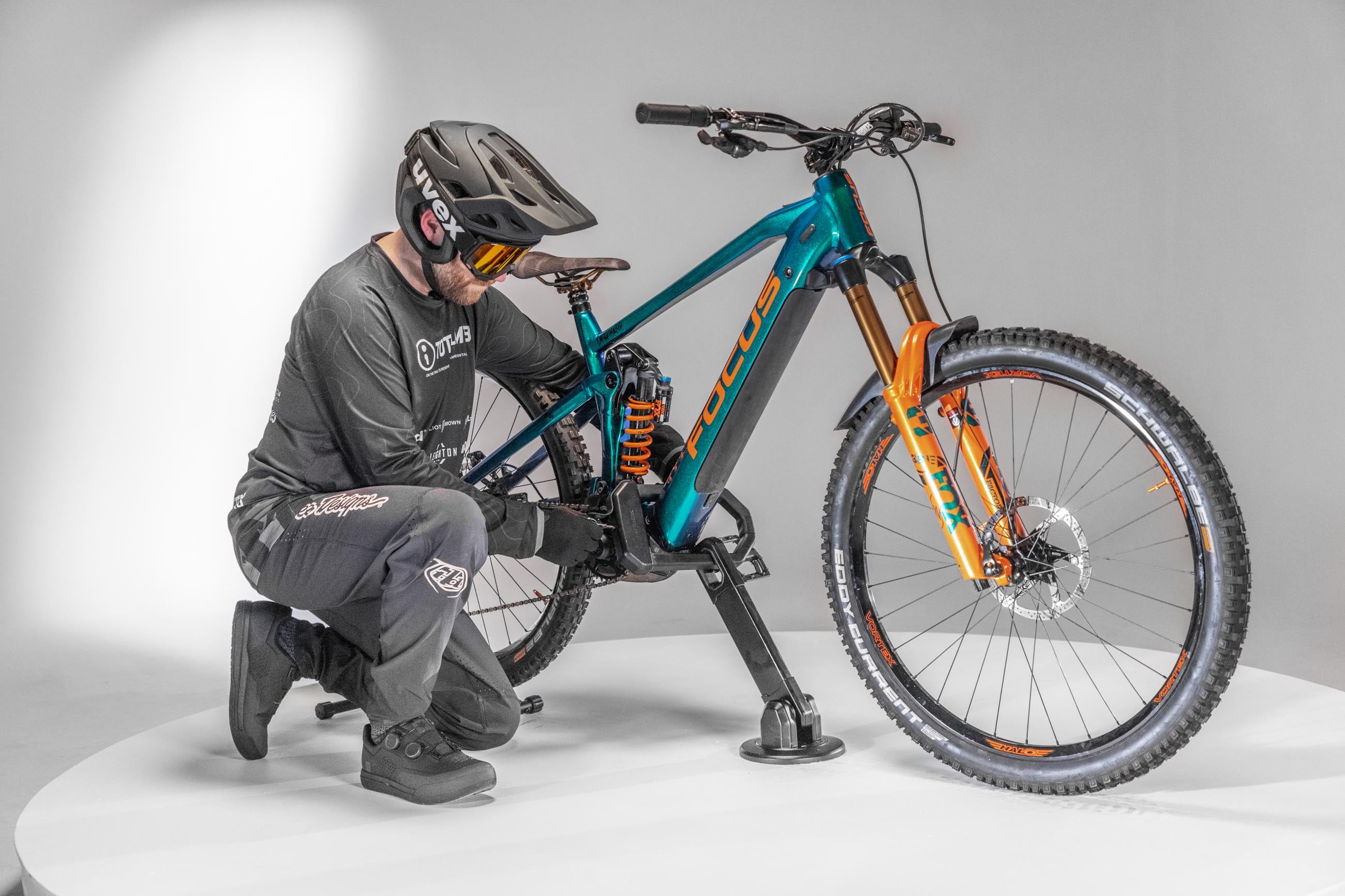
For a bicycle you want to store securely against the wall, Hiplok AIRLOK is a secure bicycle hanger that helps free up valuable floor space. It suspends the bike on the wall while keeping it secure, although it can also be positioned at floor height when you want to keep the bicycle on the ground but neatly stored against the wall.
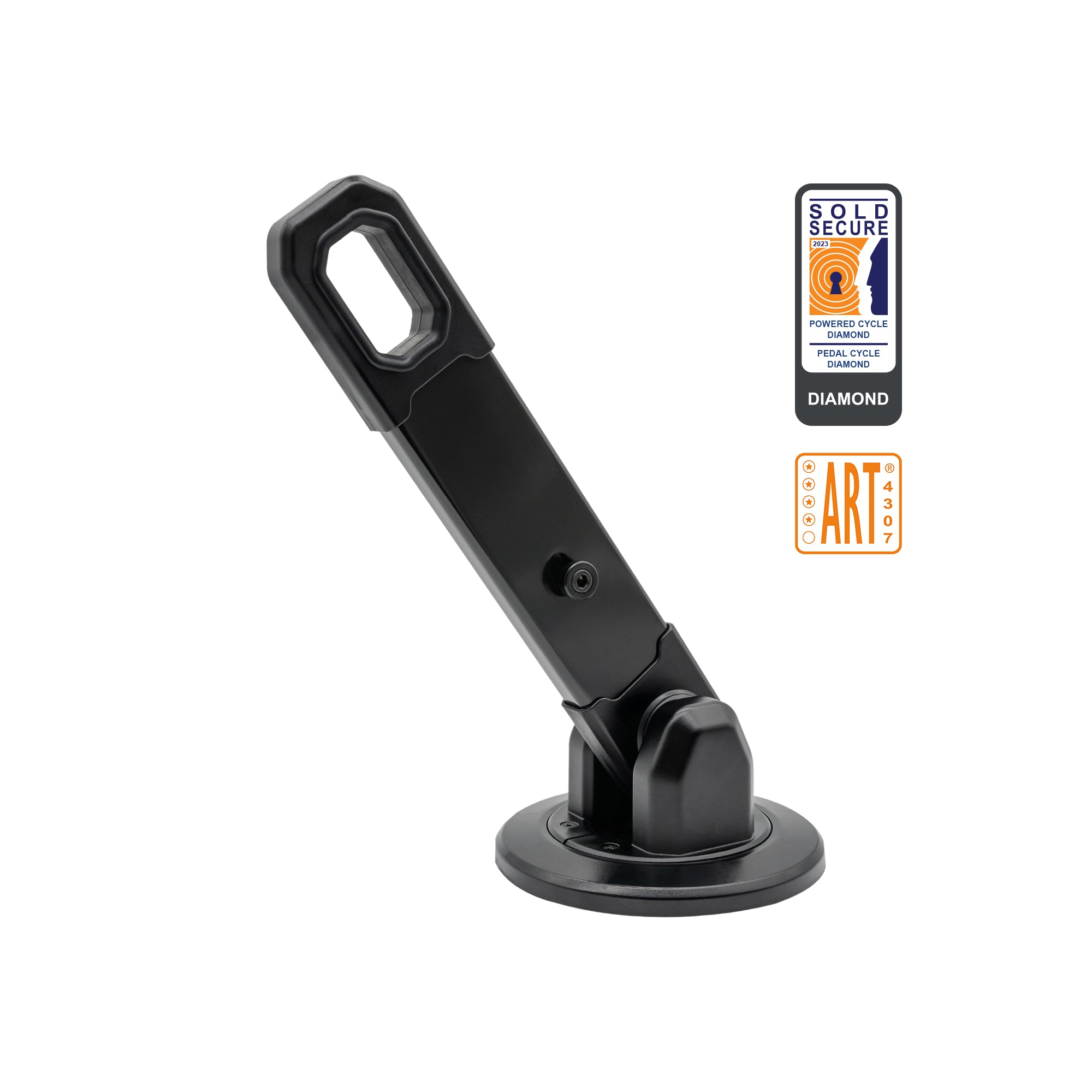
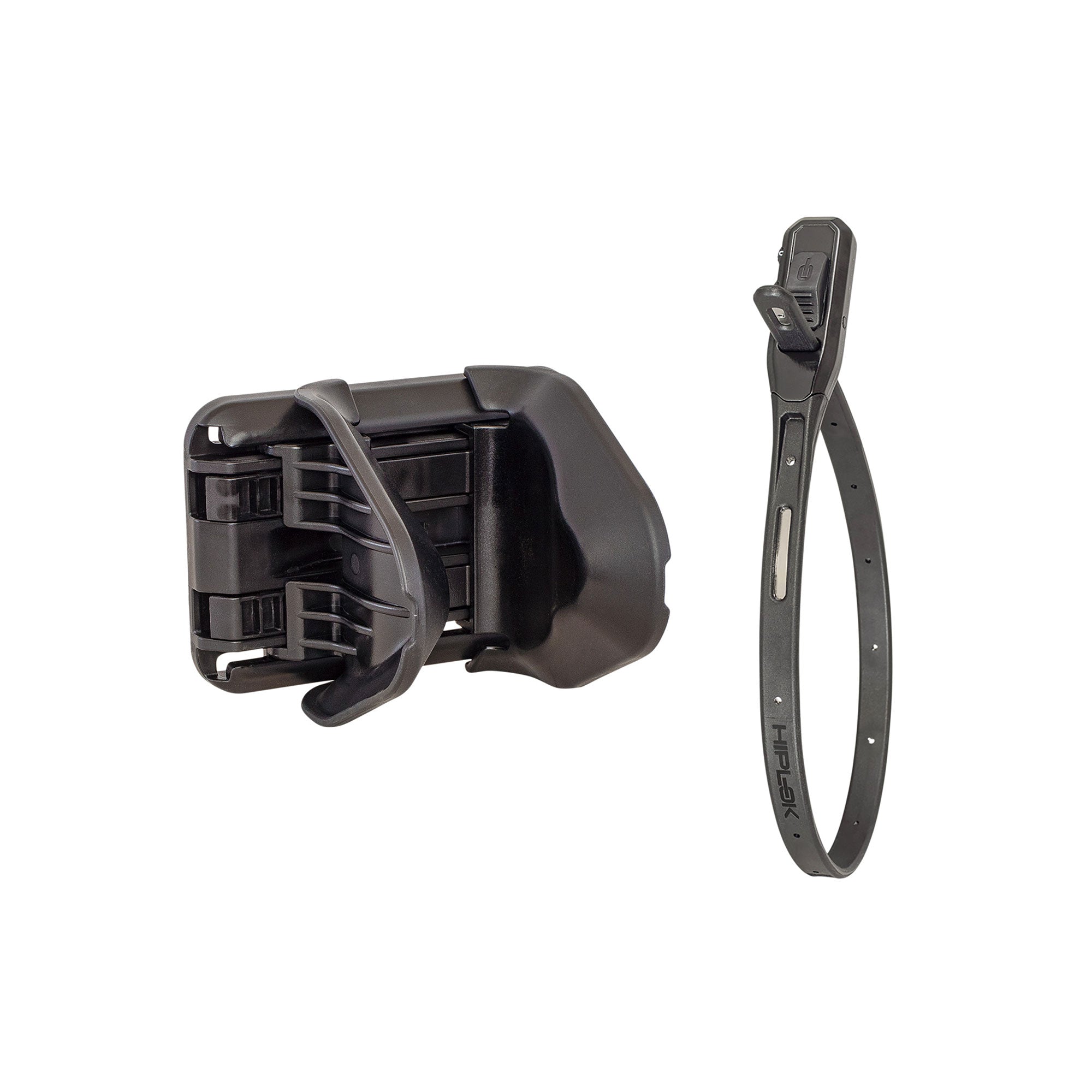
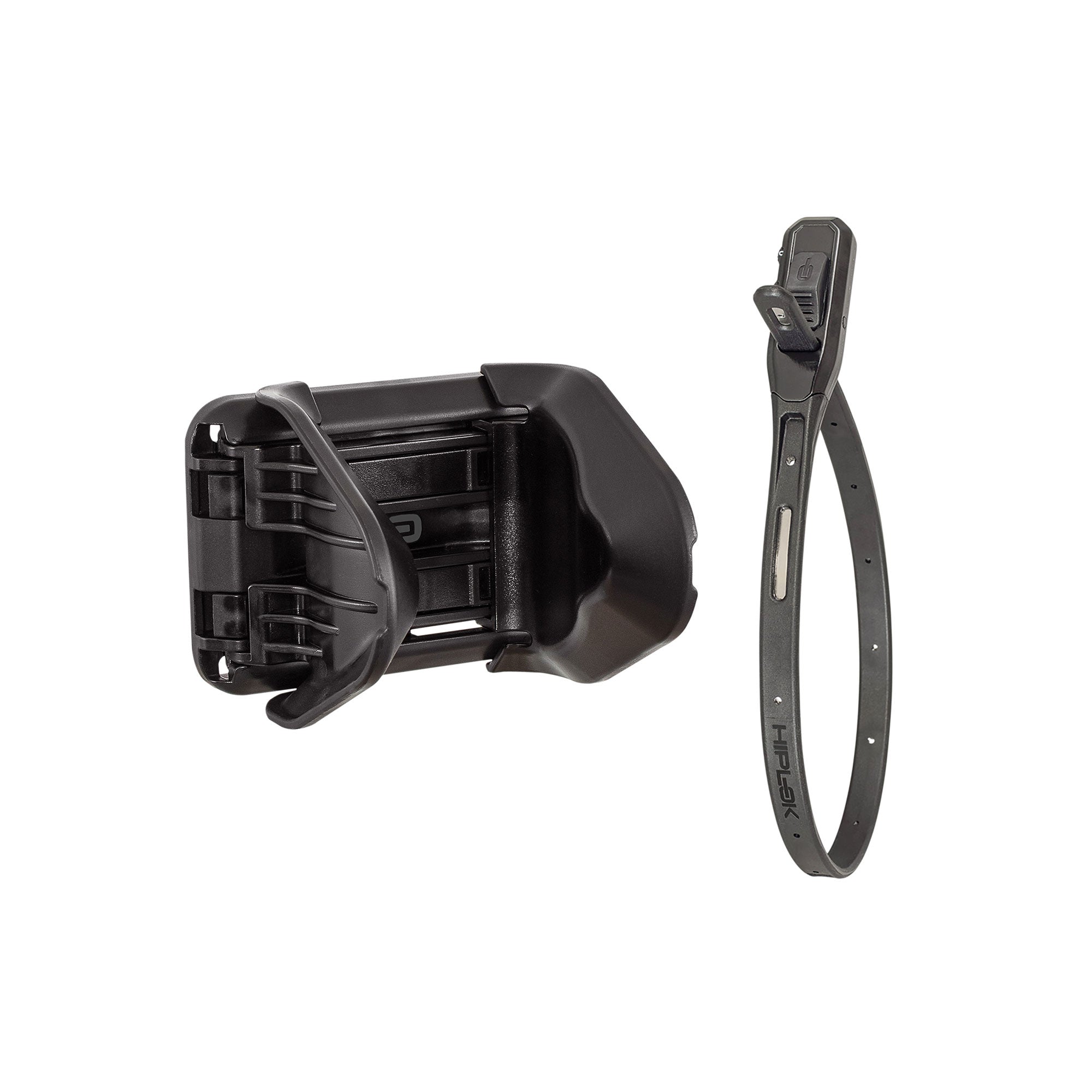
If you’re storing several bicycles together, Hiplok JAW+ offers another useful approach. It allows bicycles to be positioned vertically next to one another, helping you make better use of wall space rather than having multiple bikes spread across the garage floor. As JAW+ is a bike rack rather than a lock, you’ll also need a suitable bike lock to secure each bicycle.
The best arrangement still depends on the bicycles, their weight, the wall construction and how often you need to use them. A lightweight bicycle used occasionally can be stored higher than a heavy e-bike that needs to come down every morning.
Vertical storage is often efficient because it reduces the amount of wall width each bicycle occupies. With several bikes, a setup such as JAW+ can help create a more orderly row while keeping each bicycle in its own defined position.
Whatever system you choose, allow enough separation between neighbouring bicycles for handlebars, pedals and brake levers. Bikes packed too tightly together have a habit of catching on one another, which makes a supposedly efficient storage system annoying to use.
It’s also worth thinking about what sits below wall-mounted bicycles. Avoid positioning a delicate motorcycle screen, painted bodywork or regularly opened storage cabinet directly underneath something that could be knocked while you’re lifting a bicycle down.
Give scooters their own accessible space

Scooters can be deceptively awkward in a shared garage.
They’re smaller than bicycles and motorcycles, which makes it tempting to put them wherever there’s a gap. That often means they end up blocking a walkway or leaning against another vehicle.
Give scooters a defined position. For lightweight models, that might be a suitable wall-mounted storage solution. Heavier electric scooters are usually better kept at floor level somewhere they can be moved without disturbing the rest of the garage.
If children or several family members use the garage, accessibility matters even more. A storage system only works if the person using the vehicle can safely put it away again.
Plan charging and cable runs carefully
E-bikes, electric scooters, intercoms, lights and other rechargeable riding equipment can turn one corner of a garage into a tangle of cables very quickly.
Try to create a dedicated charging area close to suitable power outlets. Chargers can then be stored together instead of disappearing onto shelves around the garage.
Cable runs should stay away from routes used for walking or manoeuvring vehicles. Avoid trailing leads across the floor where they can become a trip hazard, catch on a centre stand or be driven over.
You should also follow the vehicle or battery manufacturer’s instructions for charging and storage. Keeping the charging area organised makes it easier to notice damaged cables, loose connections or equipment that has been left plugged in unnecessarily.
Store gear as part of the layout

Touring equipment can take up almost as much space as the motorcycle itself.
Helmets, jackets, boots, waterproofs, luggage, tools and maintenance equipment all need somewhere to go. If they’re scattered around the garage, loading for a trip becomes unnecessarily slow and it’s harder to see whether you’ve forgotten something.
Keeping related equipment together works particularly well. Riding kit can live close to the door or motorcycle, while less frequently used camping gear and spare luggage can be stored higher up.
Wet equipment deserves a little more thought. Give jackets, gloves and waterproofs enough airflow to dry rather than putting them straight into a closed box after a ride.
Touring also tends to involve adding and removing luggage. Leave enough room around the motorcycle to fit panniers, check tyre pressures and carry out basic pre-ride jobs without having to pull every other vehicle outside first.
Protect bikes from the garage environment
A garage protects bikes from direct rain, but that doesn’t automatically mean conditions inside are ideal.
Damp garages can encourage corrosion, particularly on motorcycles, bicycles and equipment put away wet. Good ventilation can help, as can allowing vehicles and riding kit to dry before covering or enclosing them.
Be careful with covers in persistently damp spaces. Trapping moisture against a bike can be counterproductive, so use covers appropriately and make sure wet vehicles have an opportunity to dry.
If your garage has a leaking door, condensation or areas where water regularly enters, solve those problems as part of the storage plan rather than simply moving the bikes a few centimetres away.
For a touring motorcycle that has spent hours in poor weather, having enough space to clean it, inspect it and let it dry is particularly useful.
Make a small garage work harder

Limited floor space makes prioritisation more important, not less.
Start by removing items that don’t need to live in the garage. Then use wall space and shelving for lightweight equipment while preserving the floor for vehicles that genuinely need it.
For multiple bicycles, vertical wall storage can be especially useful here. Positioning bikes alongside one another with a solution such as Hiplok JAW+ can help reclaim floor space without spreading bikes across several different parts of the garage.
Think vertically, but don’t automatically hang everything. The extra space gained by putting a heavy bicycle on a high wall mount isn’t worthwhile if lifting it becomes a daily chore.
Doors, handlebars and mirrors also need clearance. Leave enough space to walk between vehicles without brushing against them, and check that car doors, garage doors and cupboards can still open fully.
A few centimetres of extra breathing room in the right place can make the garage feel much easier to use.
Think about the locking routine before fixing anything down

Fixed security works best when its location suits the way you naturally park.
Before installing an anchor or secure wall-mounted solution such as AIRLOK, temporarily position the bicycle or motorcycle where you expect it to live. Check how you approach the locking point and whether the position still leaves enough room to move the other vehicles around it.
If you’re storing several vehicles, consider whether the security arrangement still works when all of them are home. A setup that looks fine with an empty garage can become awkward once handlebars, panniers and scooters occupy the surrounding space.
It’s also worth leaving some flexibility. Bikes change, and so do the ways we use them. You might replace a road bicycle with an e-bike, add another motorcycle or start keeping luggage fitted permanently.
Good garage organisation gives you structure without making every future change difficult.
A garage that’s easier to use is easier to keep organised

The most effective garage layout isn’t necessarily the one with the greatest number of racks, hooks or cabinets.
It’s the one that makes your normal routine simple.
You should be able to bring a bike home, secure it, put your equipment away and get it back out again without turning each ride into a storage exercise. For households with motorcycles, bicycles and scooters sharing the same space, that usually means prioritising access first, using walls intelligently and placing security where it naturally fits into the parking routine.
Solutions such as AIRLOK and JAW+ can help you use that wall space more effectively, whether you want to secure a bicycle directly to the wall or organise several bikes vertically alongside one another.
Get those basics right and the garage becomes a better place to look after the bikes you enjoy riding, whether you’re heading out for a five-minute commute or loading the motorcycle for several days on the road.
FAQs
What are the best layout strategies for a multi-bike garage?
Position the heaviest and most frequently used vehicles first, then organise lighter bicycles, scooters and equipment around them. Keep clear routes to the garage door and avoid storage arrangements that require several vehicles to be moved whenever you want to ride.
How can I securely anchor motorcycles, bicycles and scooters in my garage?
Use an appropriately installed ground or wall anchor as a fixed locking point and position it where you can comfortably secure the vehicle in its normal parking place. For bicycles, a wall-mounted solution such as Hiplok AIRLOK can also combine storage and security in one position. No security setup can guarantee theft prevention.
What types of wall mounts are most effective for storing bicycles?
The right wall storage depends on bicycle weight, wall construction, available space and how often the bicycle is used. Hiplok AIRLOK lets you secure a bicycle to the wall, while Hiplok JAW+ can be used to organise bicycles vertically next to one another when you want to make efficient use of wall space.
How should I manage charging cables for e-bikes and electric scooters?
Create a dedicated charging area near suitable outlets and keep cables away from walkways and vehicle routes. Follow the battery or vehicle manufacturer’s charging and storage instructions and regularly check cables and chargers for damage.
How can I organise a small garage with several bikes?
Reserve floor space for vehicles that are heavy or difficult to move, then use walls and higher storage areas for lighter bikes and equipment. Vertical bicycle storage, including systems such as Hiplok JAW+, can help free up floor space while keeping individual bikes accessible.


Share:
How to Choose the Right Size U Lock for Your E-Bike Frame and Parking Spots
A Step-by-Step Guide to Locking Your Motorcycle with a D Lock