

When you rely on your bike to get around, the last thing you want is to come back and find it missing. It's more than just a way to get from A to B. It's your freedom to get about, and often something you've spent time choosing, maintaining and making your own.
A bicycle cable lock can be a handy, lightweight way to secure certain parts of your bike. But how you use it matters just as much as the lock itself.
We've seen plenty of common bike lock errors that can leave bikes more vulnerable than they need to be. Locking just a wheel, choosing the wrong place to park or leaving too much slack in a cable are all easy mistakes to make, particularly when you're rushing between classes.
The good news is that most are just as easy to avoid.
Here are the most common bicycle cable lock mistakes, why they matter and what you can do differently to give your bike a better chance of staying where you left it.
Mistake 1: Locking Only the Wheel Instead of the Frame
One of the most common mistakes with bicycle cable locks is securing only the front or rear wheel.
It's understandable. Threading a cable through a wheel can seem like a quick and convenient way to lock up, especially when bike racks are crowded.
The problem is that many bicycle wheels can be removed relatively easily, particularly those with quick-release mechanisms. If your lock is only attached to the wheel, someone could remove it and take the rest of your bike.
What to do instead
Always make sure your bike's frame is secured to a solid, immovable object.
If you're using a cable lock, threading it through the frame and a wheel can help secure both. However, a cable lock is generally best used as an additional layer of security alongside a stronger primary lock, such as a D lock.
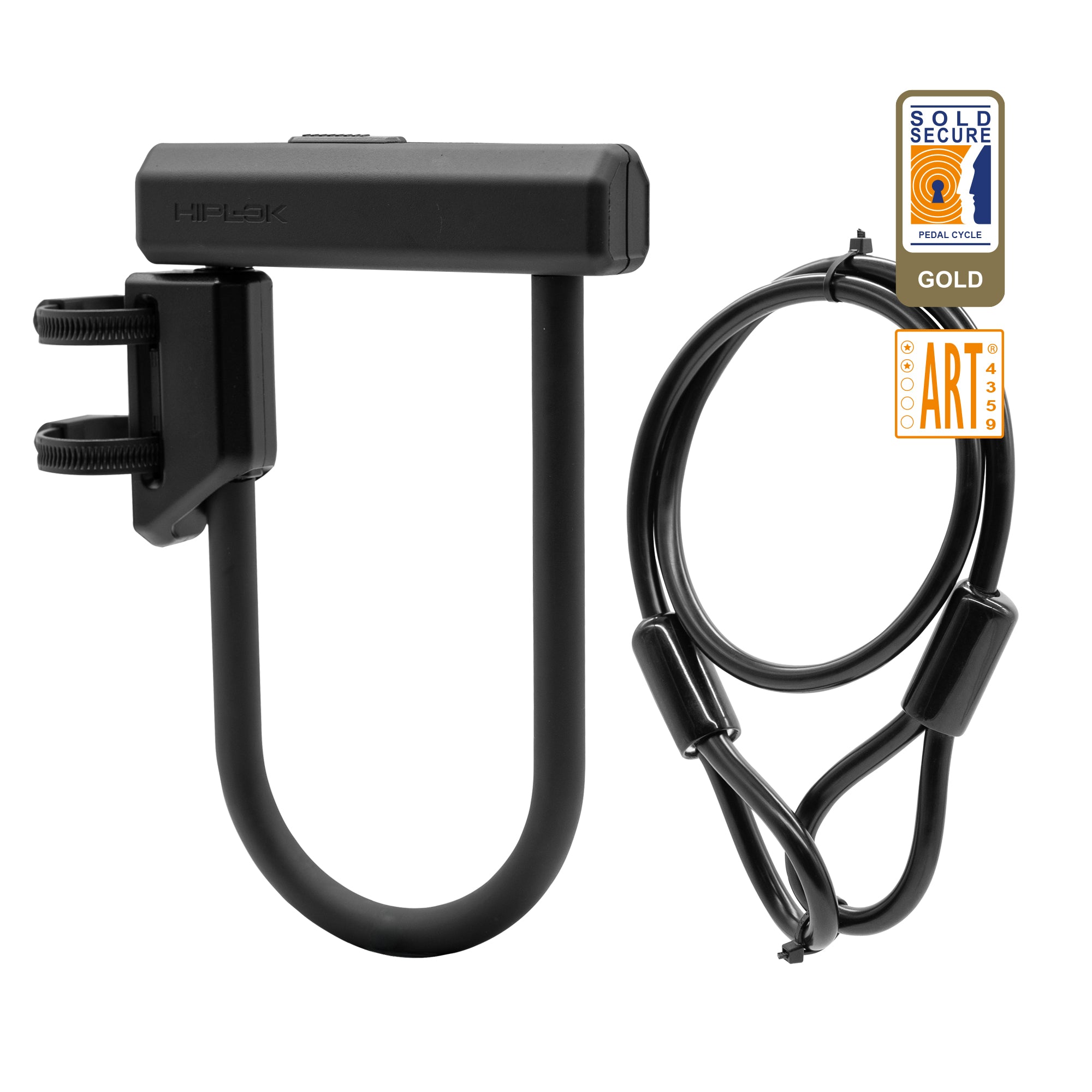
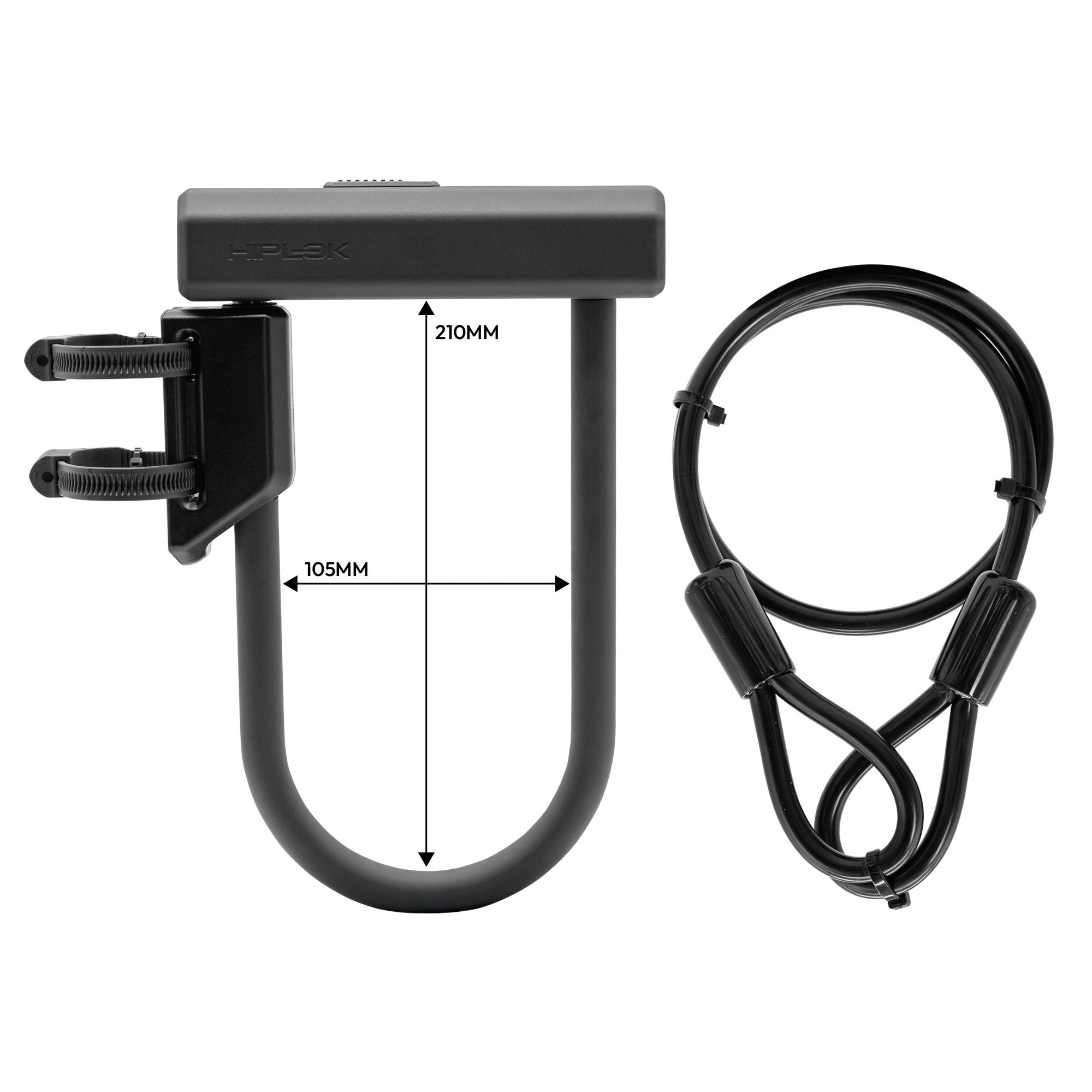
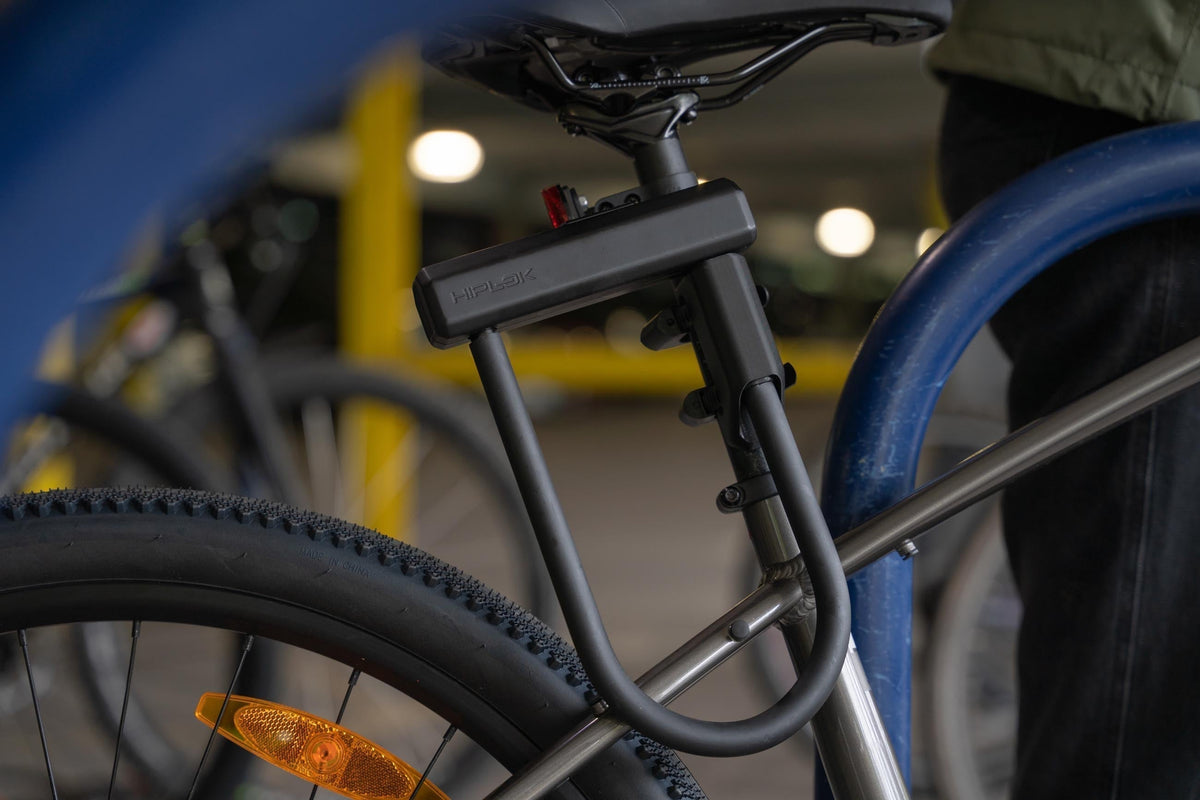
A good approach is to use a D lock to secure your frame to a bike rack, then a cable lock to help protect a wheel or other removable components.
That way, you're not relying on the cable alone to secure the most important part of your bike.

Mistake 2: Not Locking Your Bike to Something Secure
You might have a decent lock, but it's only as useful as the object you're attaching it to.
Locking your bicycle to a loose signpost, lightweight fence or something that can be lifted or dismantled can make it easier to steal your bike without needing to attack the lock itself.
This is particularly relevant on university campuses, where bike parking areas can become crowded and riders sometimes end up using whatever's available.
What to do instead
Look for a dedicated bike rack that's securely fixed to the ground.
Before locking up, give the rack a quick check. Is it firmly attached? Could your bike and lock be lifted over the top? Are there any loose or damaged sections?
A well-installed Sheffield-style cycle stand is often a good option because it gives you a solid point to secure your bike's frame.
The important thing is to make sure the bike, lock and anchor point form a secure connection.

Mistake 3: Leaving Too Much Slack in Your Cable Lock
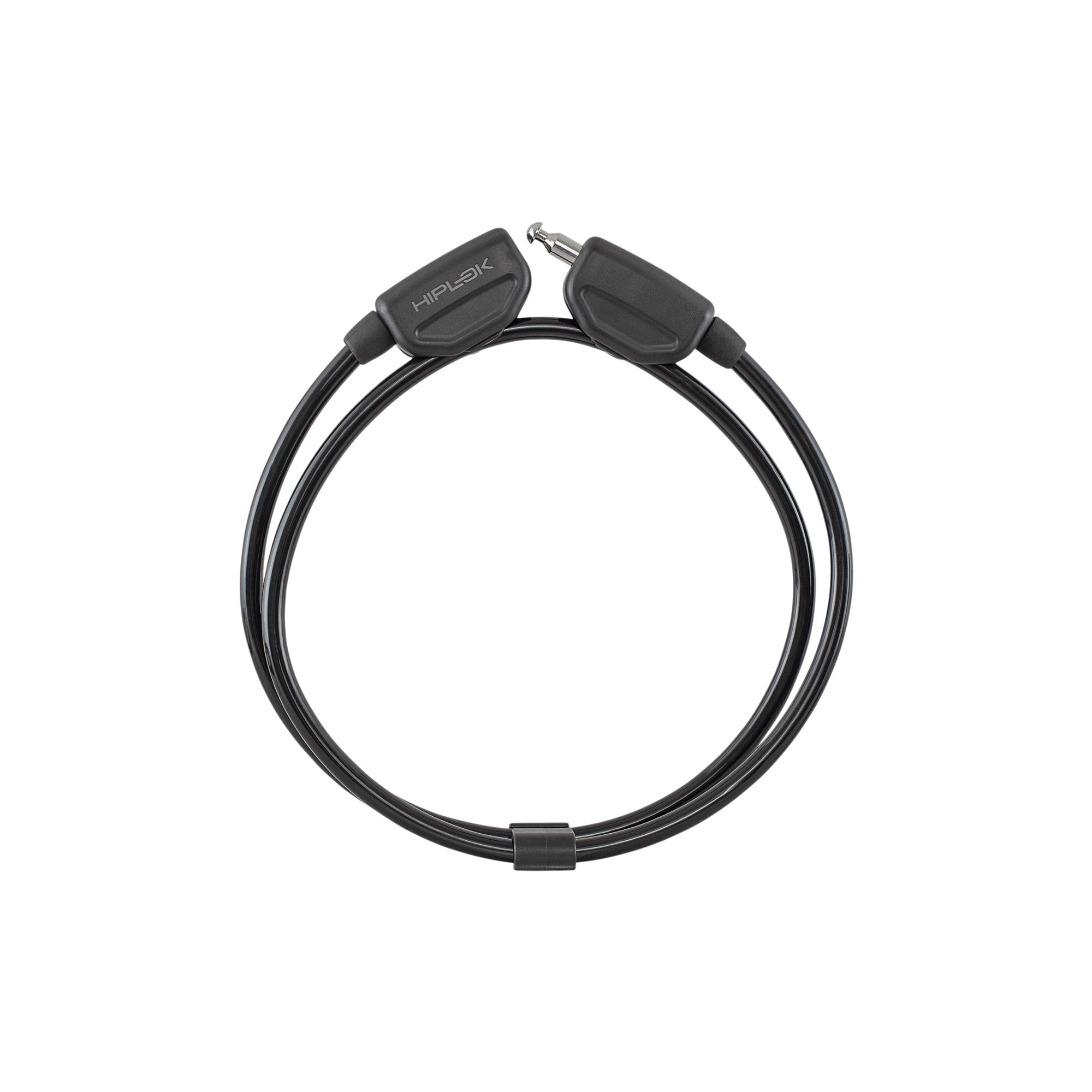
Cable locks are flexible, which is one of their biggest practical advantages. They're easy to thread around wheels and bike components, and they're generally convenient to carry.
But that flexibility can also encourage riders to leave more cable exposed than necessary.
A long, loose cable may give someone more room to position cutting tools or move the bike around while attempting to break the lock.
What to do instead
Keep the cable as snug as practical around the parts you're securing.
Try to avoid large loops of unused cable hanging away from the bike. Keep the lock off the ground where possible, rather than leaving it resting on the pavement.
You don't need to pull the cable so tightly that it puts pressure on your bike's components. Just reduce unnecessary slack and make sure everything is properly secured.
Remember, removing slack doesn't make a cable lock resistant to heavy-duty cutting tools. It simply helps avoid making an attack easier.
Mistake 4: Relying on a Cable Lock as Your Only Security
This is an important one, especially if you regularly leave your bike unattended for several hours.
Cable locks are popular because they're lightweight, flexible and easy to transport. They're useful for securing accessories and removable components, but they generally offer less resistance to cutting attacks than a good-quality D lock or chain lock.
Even a thicker cable can be vulnerable to suitable cutting tools.
If you're leaving your bike outside a lecture hall all afternoon, at a busy train station or overnight, relying on a cable lock alone can leave it exposed to unnecessary risk.
What to do instead
Think about how long you're parking, where you're leaving your bike and how attractive it might be to a thief.
For longer stops or higher-risk locations, choose a high-security primary lock that's appropriate for your bike and parking environment.
You can then use a bicycle lock cable as a secondary lock to help secure wheels or accessories.
Using two locks can also create an additional obstacle for someone attempting to steal your bike.
At Hiplok, we design security around real-world use. That means thinking about the tools thieves use, how much resistance a lock provides and how practical it is for riders to carry and use every day.
The right setup is one that offers suitable security without being so inconvenient that you stop using it properly.

Mistake 5: Choosing Convenience Over a Good Parking Spot
We've all done it. You're running late, there's a space right outside the building and you lock your bike up without giving the location much thought.
But where you leave your bike can make a difference.
A quiet corner with little passing foot traffic may give someone more opportunity to interfere with a lock unnoticed. Equally, a busy area doesn't automatically mean your bike is safe.
What to do instead
Look for established bicycle parking areas with good visibility, regular activity and secure locking points.
If you're on campus, check whether your university provides covered bike storage or access-controlled cycle parking.
For longer periods, especially overnight, consider whether you can bring your bike inside or use a more secure storage area.
A little extra thought about where you park can be just as worthwhile as thinking about which lock you carry.

Mistake 6: Using the Wrong Cable Lock for the Job
Not all bicycle locks are designed to provide the same level of security.
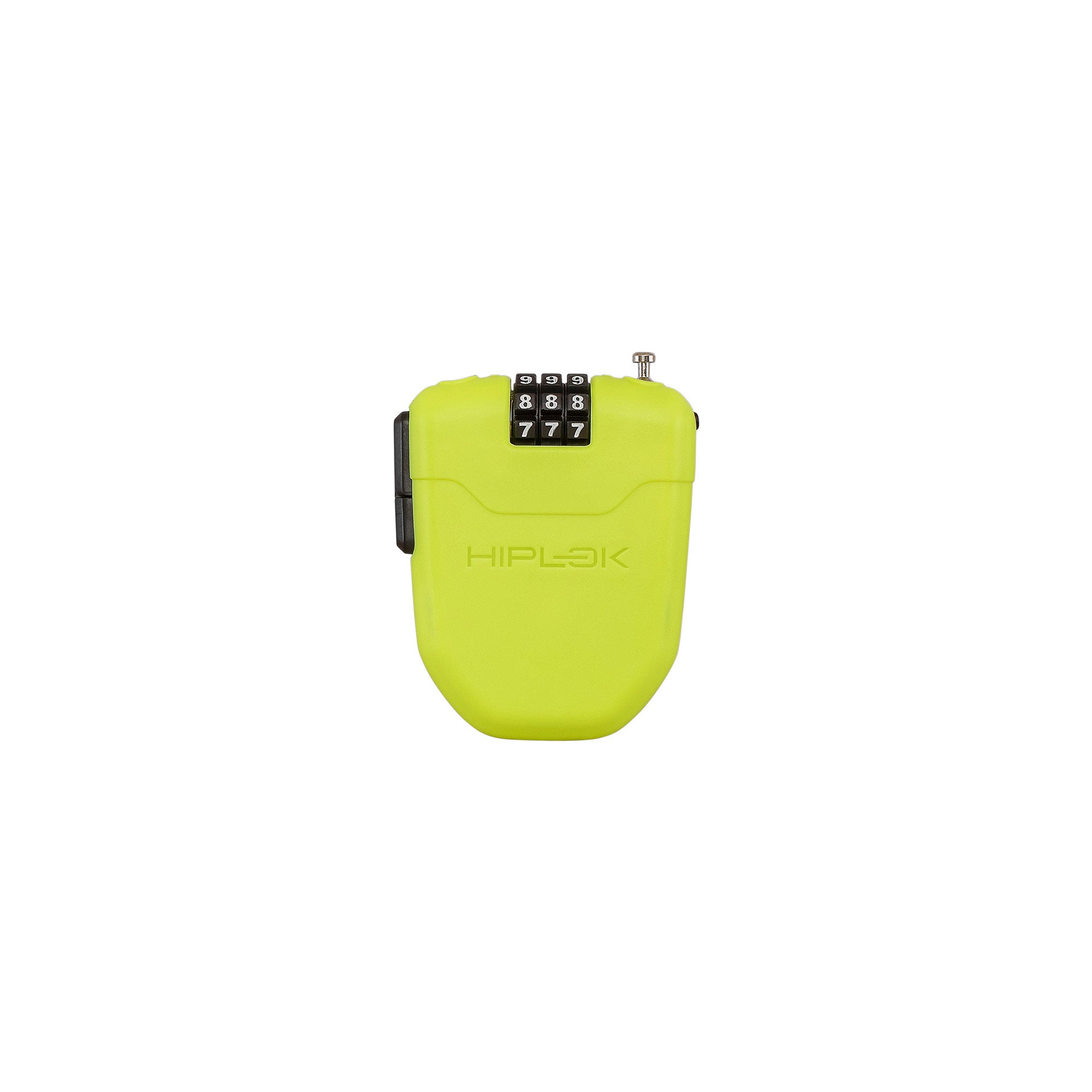
A lightweight cable lock might be convenient for securing a helmet, saddle or wheel, but that doesn't make it suitable as the only lock protecting an expensive bicycle or e-bike in a busy city centre.
One of the biggest mistakes riders make is expecting a convenience-focused lock to offer the same level of resistance as a security-focused D lock.
What to do instead
Choose your lock based on the job you need it to do.
Think about:
-
Where you park: A quiet, private storage area presents different risks from an open campus bike rack.
-
How long you're away: A quick stop and an entire day of parking call for different security decisions.
-
What you're securing: Your frame needs a suitable primary lock, while a cable may be useful for additional components.
-
How you'll carry it: A lock that fits into your riding routine is more likely to be used consistently.
If you're working with a low budget, prioritise a dependable primary lock before spending money on additional accessories.
It's better to have one appropriately secure lock that you use correctly than several lightweight locks that aren't suitable for the level of risk.
Mistake 7: Forgetting to Check the Lock Before Walking Away
This sounds obvious, but it's surprisingly easy to get distracted when you're locking up.
You might thread a cable through the frame and around a stand, only to discover later that the locking mechanism never fully engaged.
Or perhaps the cable has caught on something, leaving part of the bike unsecured.
A lock only works as intended when it's properly fastened.
What to do instead
Once you've locked your bike, take a few seconds to check your setup.
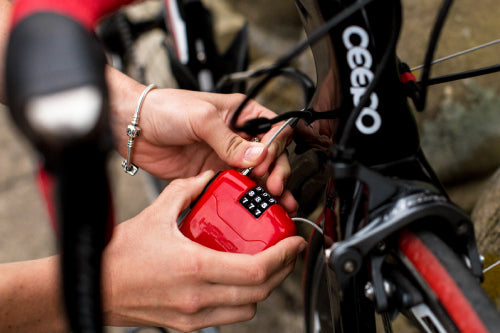
Give the lock a gentle pull to confirm it's engaged. Check that the cable or primary lock passes through the intended parts of the bike and around the fixed object.
If you're using a combination lock, make sure you've scrambled the numbers after locking it.
It's a small habit, but one worth building into your everyday riding routine.

Mistake 8: Assuming a Cable Lock Can't Be Cut
Understanding what your lock can and can't do is an important part of protecting your bike.
Cable locks typically use strands of metal wire inside a protective outer coating. Their construction makes them flexible and convenient, but they can be vulnerable to cutting tools.
Depending on the cable's construction and thickness, certain hand-operated cutting tools may be able to defeat it relatively quickly.
That's why we don't recommend treating a standard cable lock as the only line of defence for a bicycle parked in a higher-risk area.
What to do instead
Think of a cable lock as one part of your security setup, rather than a guarantee against theft.
For a bike you rely on every day, use a primary lock that offers suitable resistance to the attacks you're trying to protect against.
A cable lock can still play a useful role in securing components and adding another obstacle.
No bicycle lock is theft-proof. The aim is to make stealing your bike more difficult, more time-consuming and less appealing.

A Quick Bike Lock Checklist Before You Walk Away
Once you're used to locking your bike properly, it should only take a few extra seconds.
Here's a simple checklist to run through whenever you park:
-
Is the frame secured to a solid, fixed object?
-
Have you used a suitable primary lock for the location?
-
Are the wheels and removable components secured where necessary?
-
Is unnecessary slack in the cable reduced?
-
Is the lock positioned away from the ground where practical?
-
Have you checked that every lock is fully engaged?
-
Is your bike parked somewhere visible and appropriate for the length of your stop?
Getting these basics right can help you avoid many of the mistakes that make bikes easier to steal.
Better Bike Security Starts with Better Habits
Your bike gives you independence. Whether it's getting across campus, heading out for a ride at the weekend or saving time on your daily commute, it's something worth looking after.
A bicycle cable lock can be a useful part of your security setup, particularly for securing wheels and accessories. But using it effectively means understanding its limitations and avoiding the small mistakes that can make theft easier.
Lock the frame to something solid, reduce unnecessary slack and match your primary lock to the risk of where you're parking.
At Hiplok, we're riders too. We know that security needs to work in the real world, not just on paper. That's why we focus on practical designs that help you protect the bike you enjoy riding.
Ready to improve your setup? Compare security options to find a locking combination that works for your bike and the way you ride.
Frequently Asked Questions
What are the most common mistakes when using a bicycle cable lock?
Common mistakes include locking only a wheel, failing to secure the frame to a fixed object, leaving too much slack in the cable and relying on a cable lock as the only security in a high-risk location. Choosing an unsuitable parking spot or failing to check that the lock is engaged can also increase theft risk.
How should I secure my bicycle with a cable lock?
For most everyday public parking situations, use an appropriately rated D lock or chain lock to secure your bike's frame to a solid, fixed object. A cable lock can then provide secondary security for wheels or removable components. Make sure the cable is properly fastened and avoid leaving excessive slack.
Can a bicycle cable lock be cut?
Yes. Bicycle cable locks can be cut using suitable tools, and their resistance varies depending on their construction and thickness. They are generally better suited to secondary security than protecting an entire bike on their own in a higher-risk location.
Is a cable lock or D lock better for university campus security?
For a bicycle left unattended around a busy university campus, a good-quality D lock is generally a better choice for primary security because it typically offers greater resistance to common cutting attacks. A cable lock can be useful alongside it to help secure a wheel or accessories.
How can students improve bike security without spending too much?
Start by investing in a suitable primary lock and learning how to use it correctly. Make use of secure university bike parking, lock your frame to a fixed object and avoid leaving your bike in isolated areas for long periods. Adding a secondary cable lock can be worthwhile, but good locking habits are just as important.


Share:
Understanding D Locks: Essential Security for Urban E-Bike Commuters