

If you ride regularly, your bike isn't just something you own, it's something you've chosen, dialled in, and rely on. Whether it's your daily commute, your weekend escape, or transport you depend on every day, leaving it locked up shouldn't feel like a gamble.
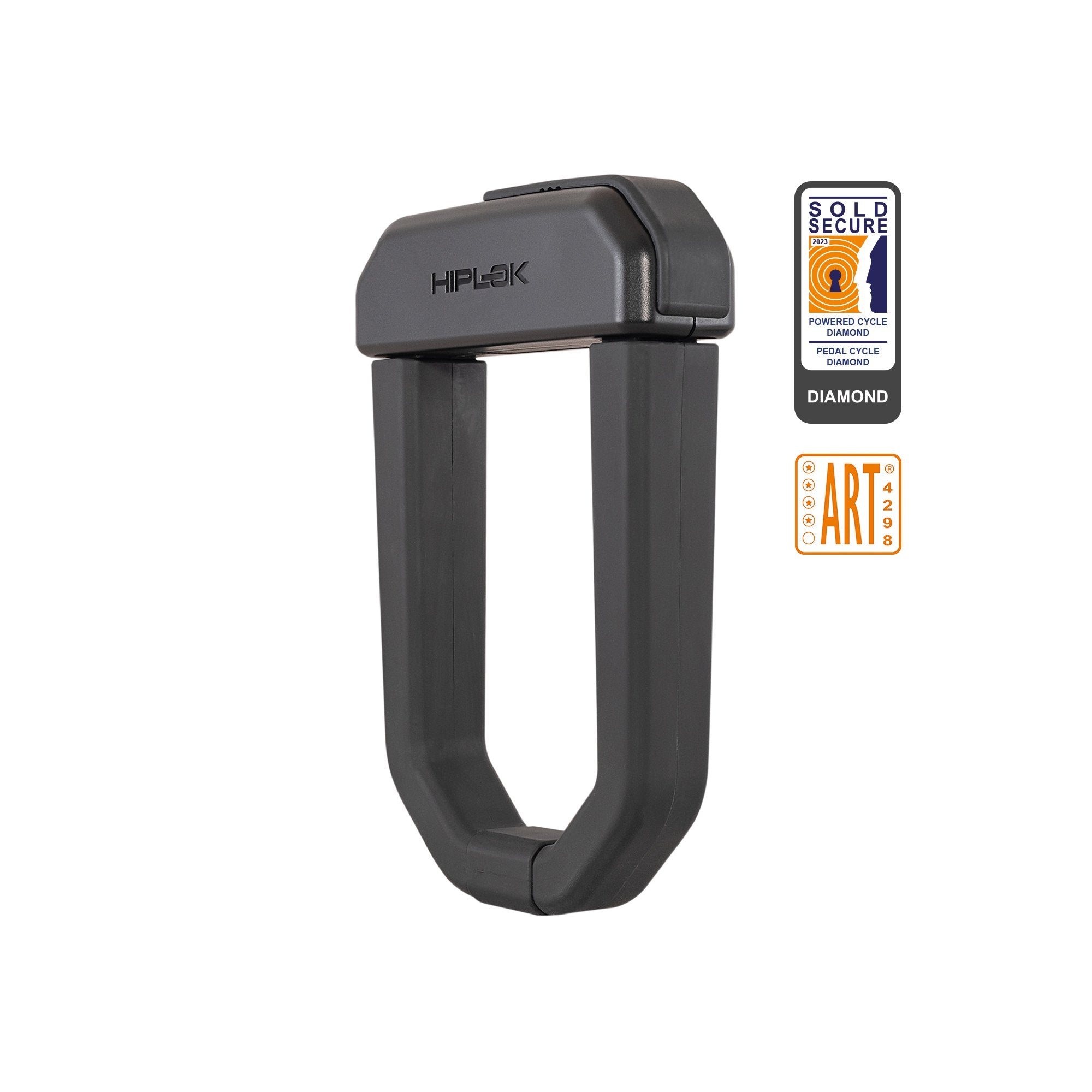
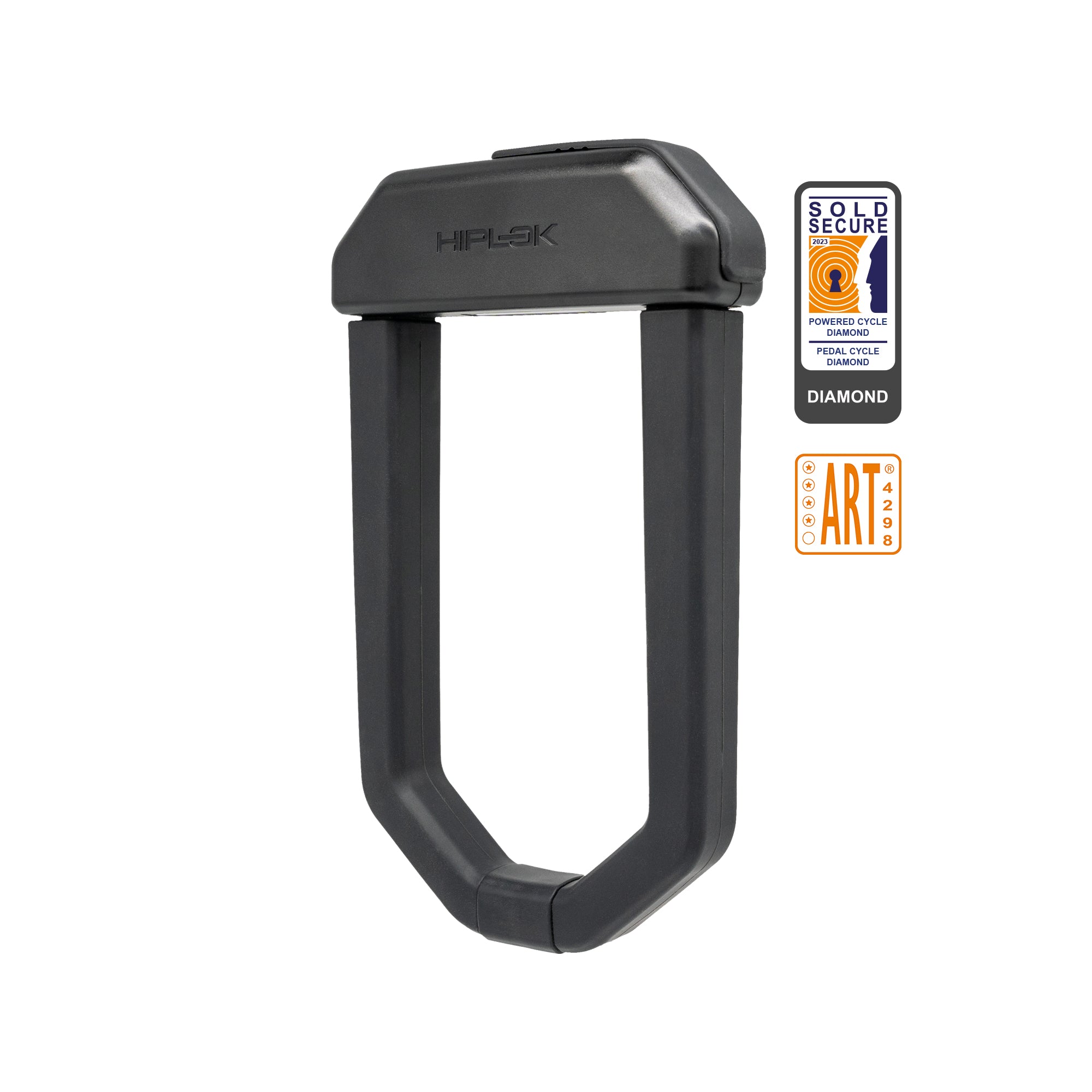
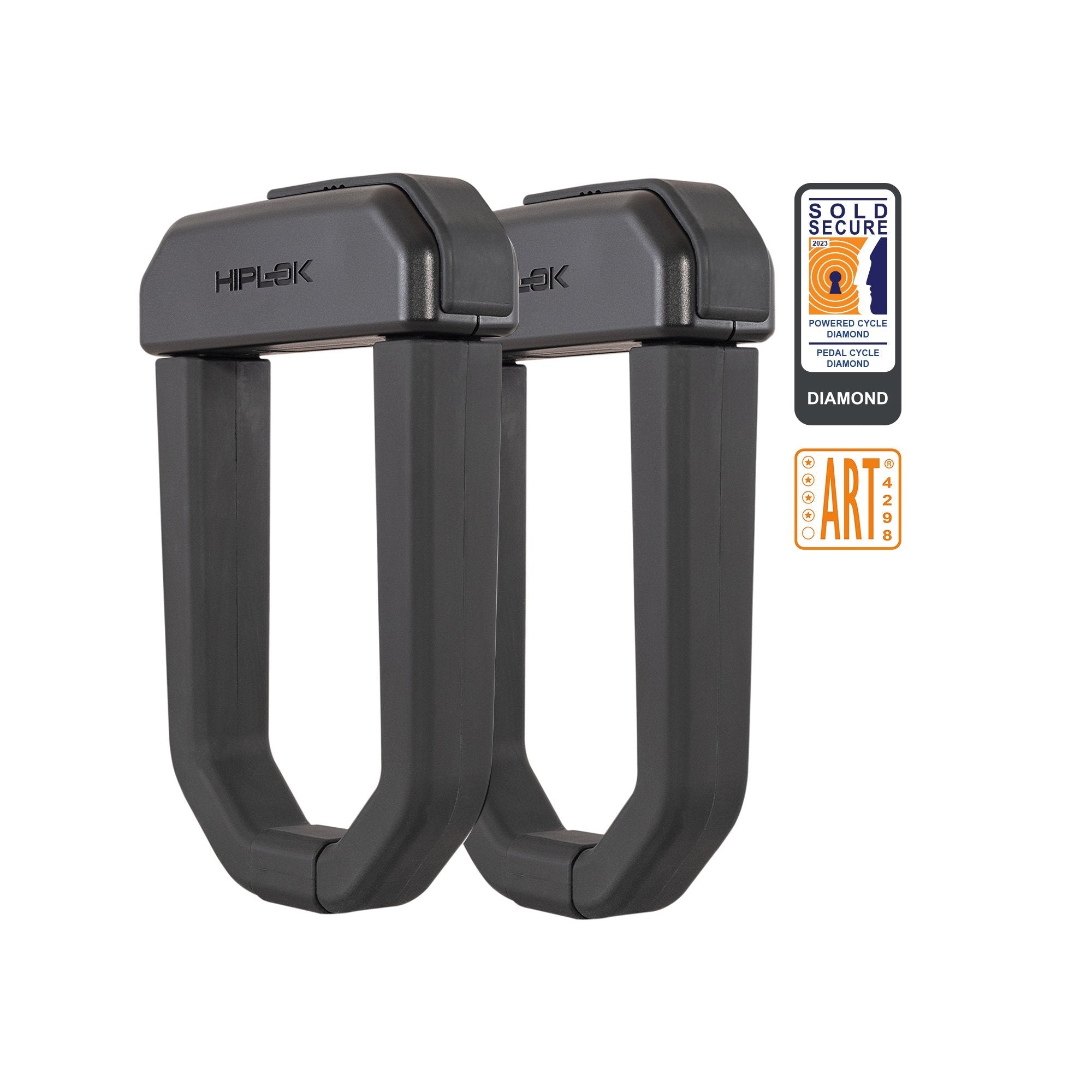
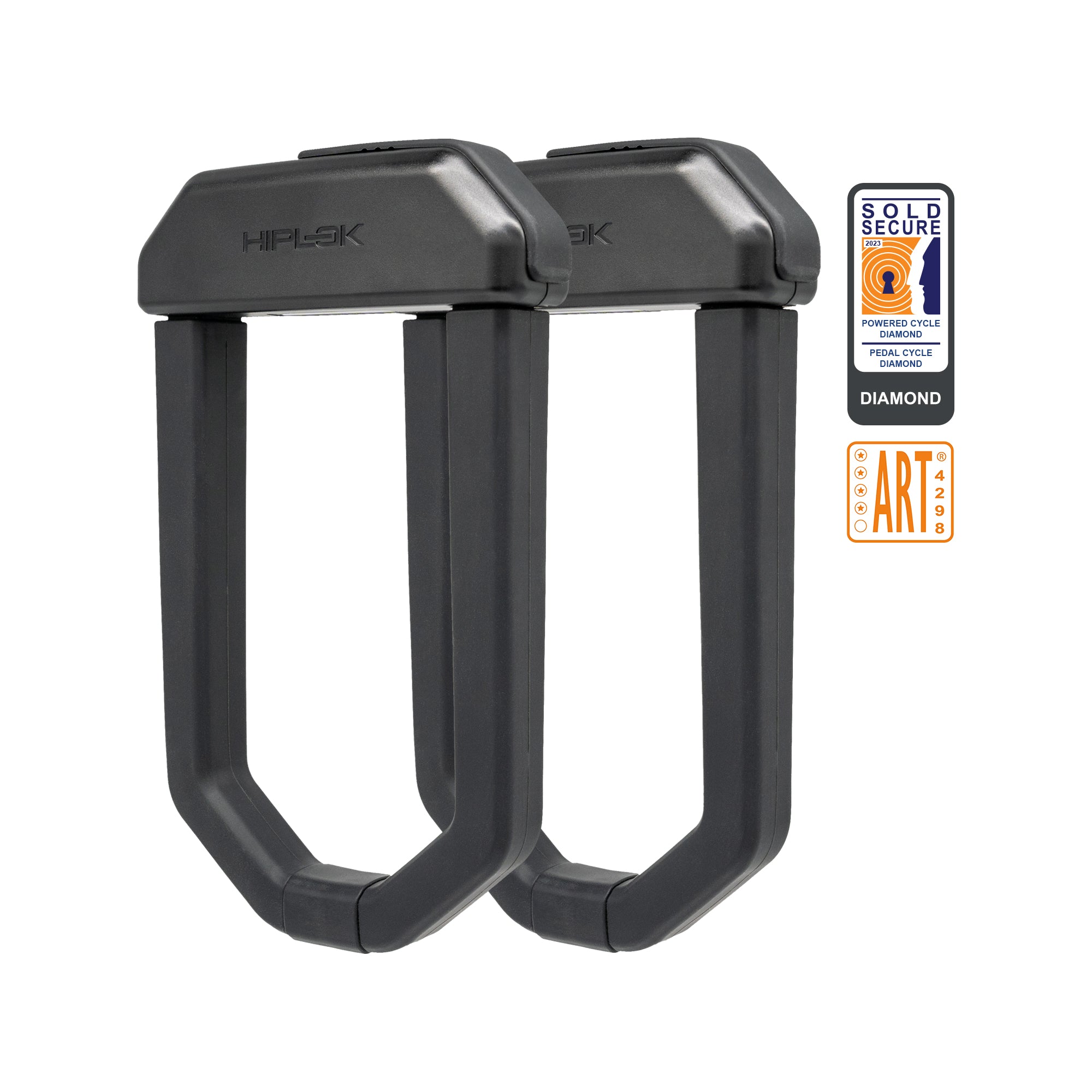
That's exactly why we developed both the D1000 and DX1000, two angle grinder resistant bike locks built around how theft actually happens.
If you're deciding between them, the difference isn't about "better" or "worse". It's about choosing the right level of coverage, fit, and practicality for how and where you ride.
What Makes the D1000 and DX1000 Different?
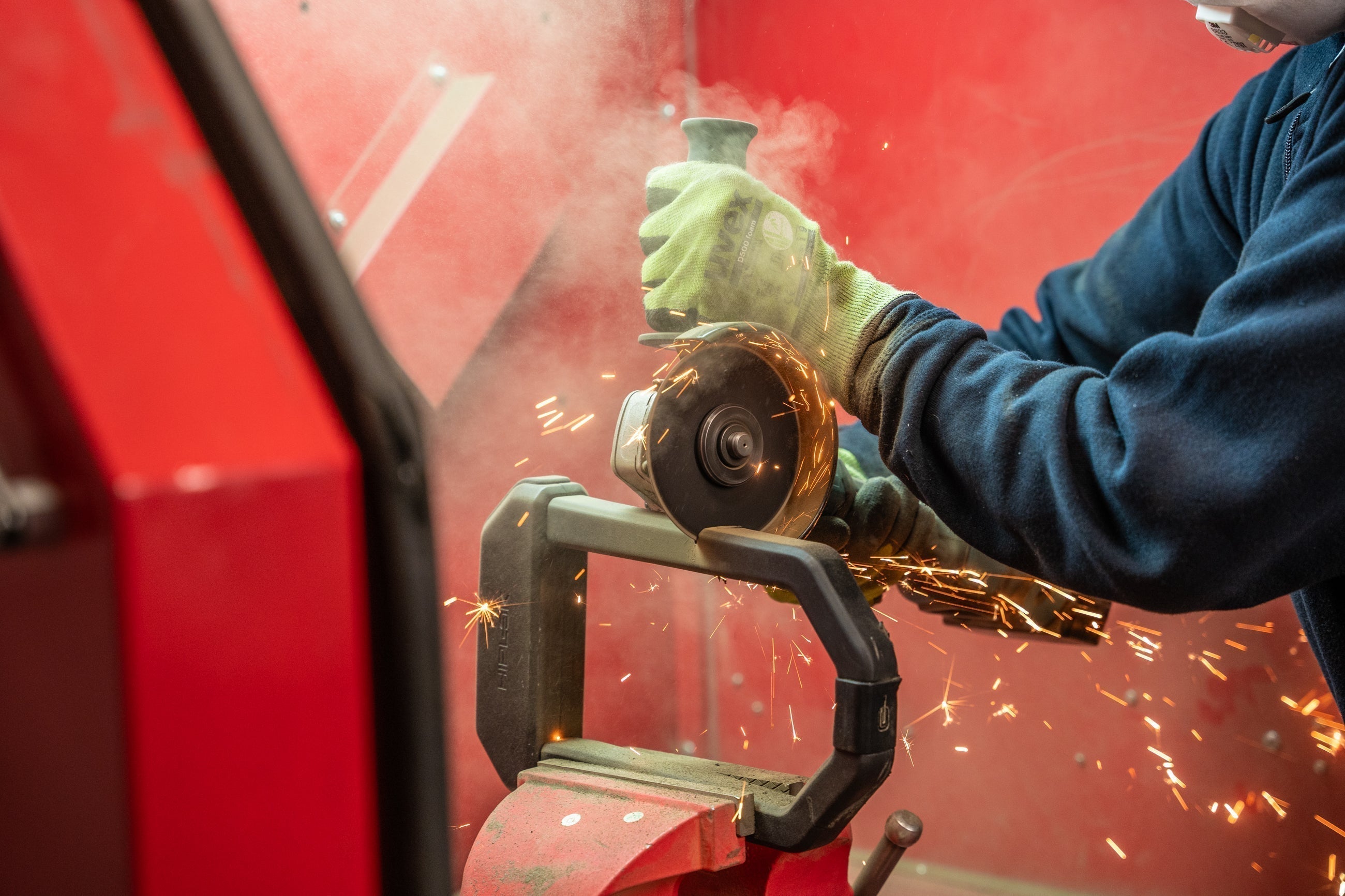
Both locks are part of our 1000 Series bike locks and are designed to resist sustained angle grinder attacks.
Instead of relying on hardened steel alone, both use a composite construction designed to wear down grinder discs and increase cutting time.
In real-world terms, that means:
- More time and noise for a thief
- Greater deterrence in public spaces
- A higher chance they move on to an easier target
No lock is theft-proof. But angle grinder resistant locks are designed to slow a theft attack from seconds to minutes, increasing the chance of the thief being interrupted or caught. 
D1000 vs DX1000: Key Differences at a Glance
| Feature | D1000 | DX1000 |
|---|---|---|
| Shackle size | More compact | Larger internal area |
| Locking coverage | Tight, close locking | Greater reach around objects |
| Portability | Easier to carry daily | Less portable, more coverage-focused |
| Ideal use | Bicycles | Motorcycles, large bicycles, multi-bike locking |
At a glance, the core difference comes down to shackle size.
Size and Shackle Clearance: Why It Matters
The most noticeable difference between the D1000 and DX1000 is the internal locking space.
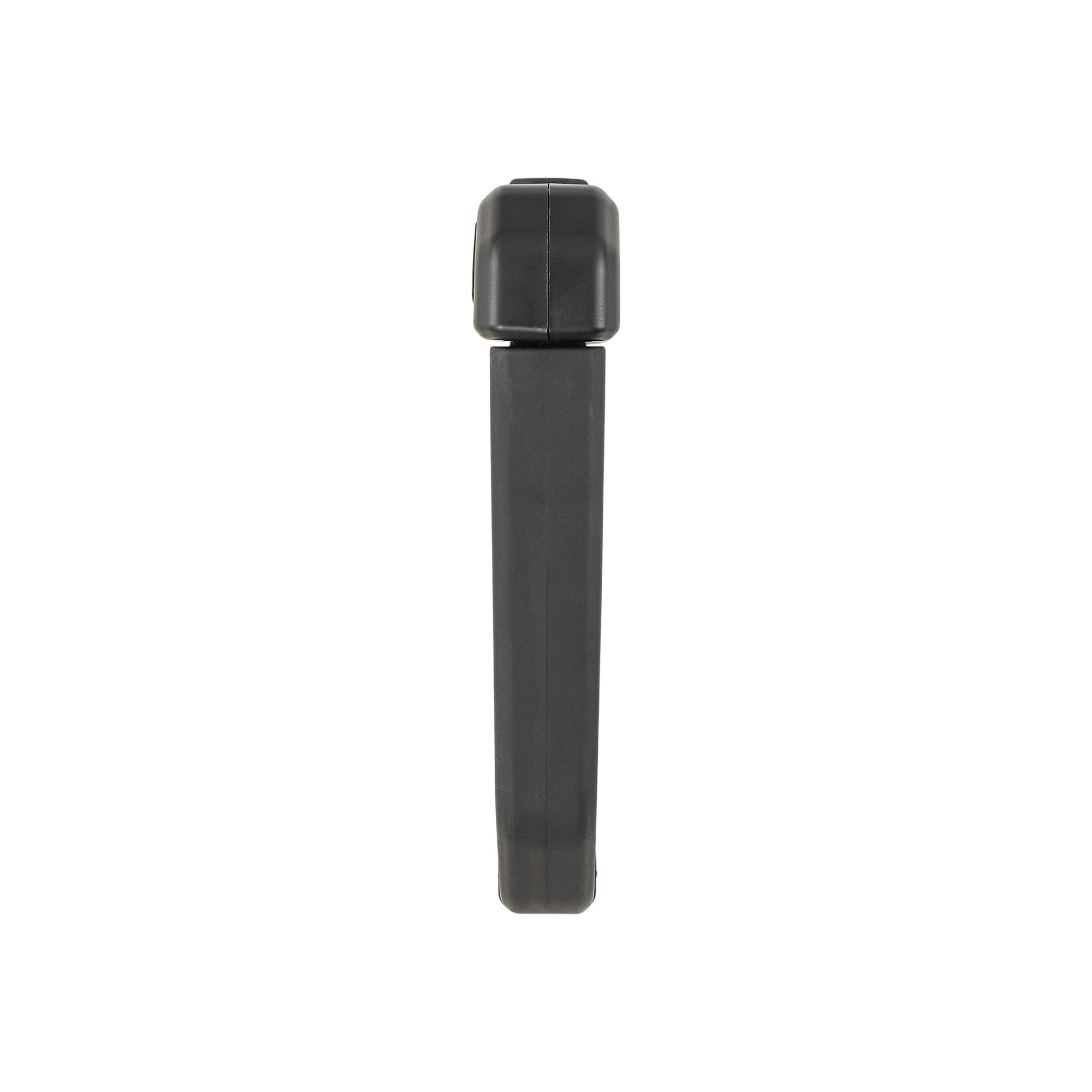
The D1000 is deliberately compact. Designed primarily for bicycles, it fits tightly around your bicycle frame and the object you're securing to, reducing leverage and making it harder to attack.
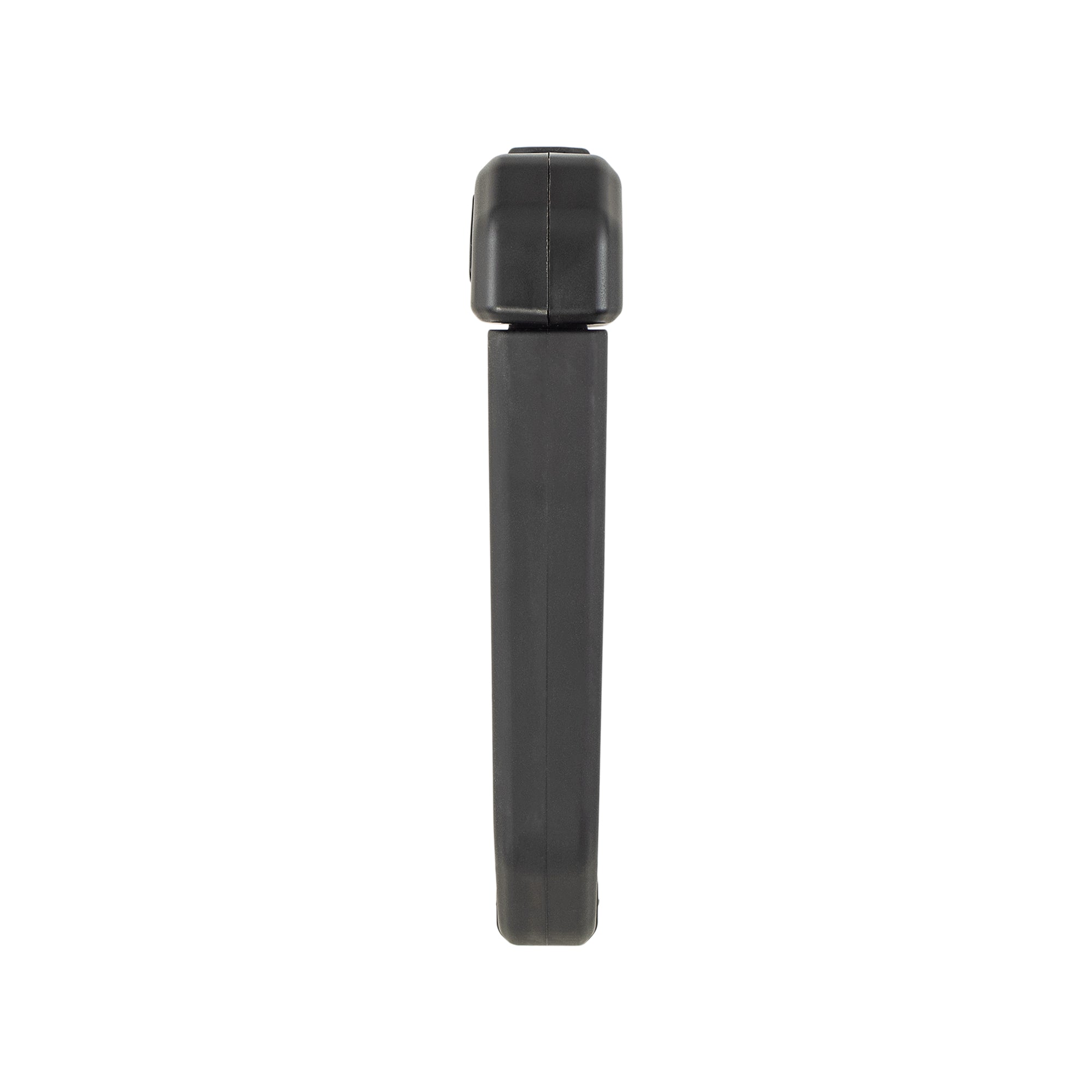
The DX1000 gives you more room to work with.
That extra clearance means:
- It’s more suitable for motorcycles and larger bicycles
- You can lock bicycles around larger or awkward street furniture
- You can secure more of your bicycle (frame + wheel)
If you're unsure how much space you actually need, it's worth understanding lock sizing in more detail: Understanding lock size and shackle clearance
Portability vs Coverage: The Real Trade-Off
This is where many riders make their decision.
The D1000 is more compact and easier to carry. The DX1000 offers more locking reach and flexibility.
In practice:
- Choose D1000 if you value portability and consistent daily use
Choose DX1000 if you need more internal space to fit around your bike, or more reach to secure to street furniture or anchors.

Locking Versatility in Real-World Use
Locking a bicycle
Think about where you actually leave your bike.
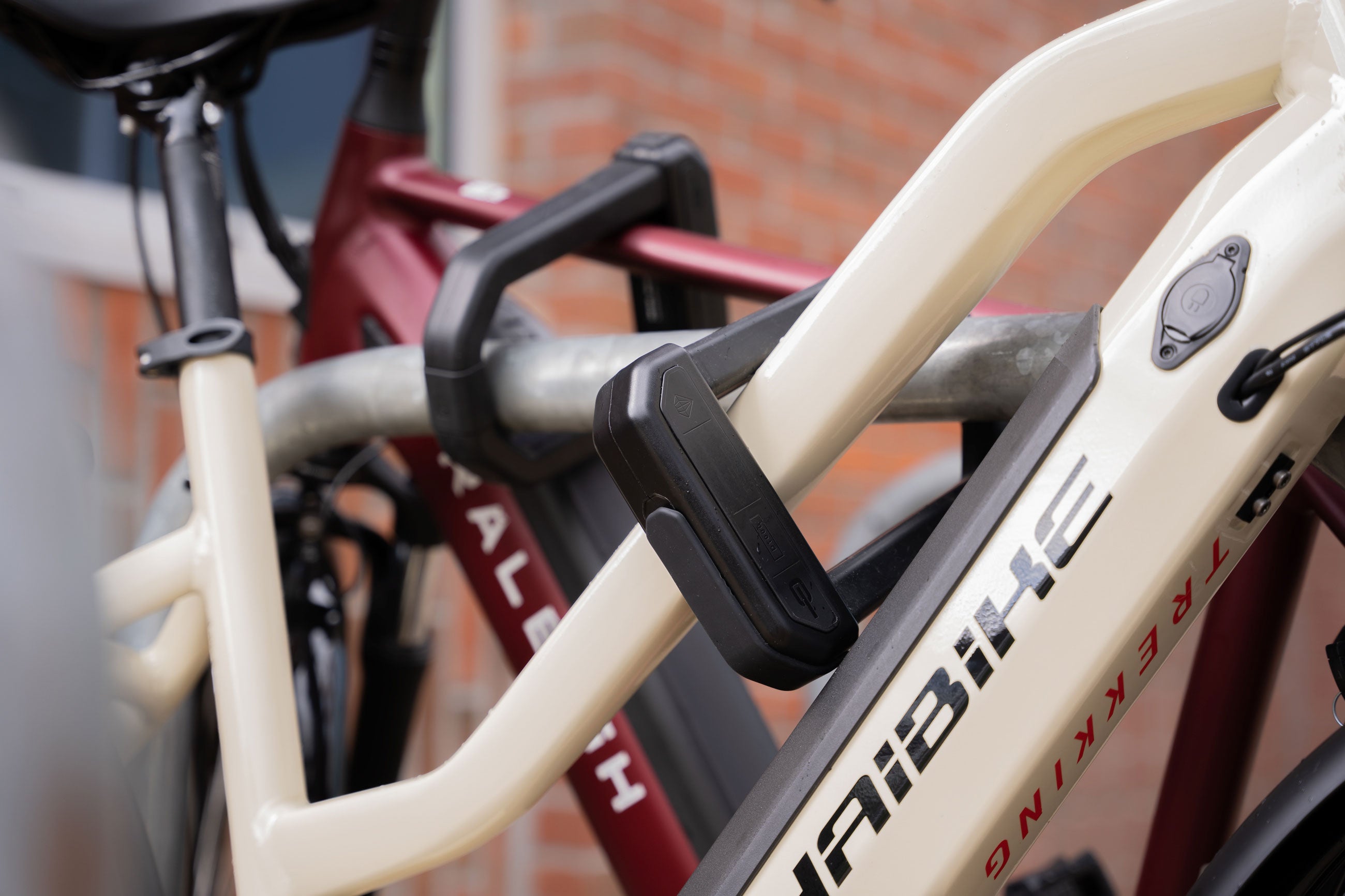
If you're locking up your bicycle using standard bike racks or consistent locking points, the D1000 often does everything you need.
But if you regularly deal with:
- Thick posts or railings
- Situations where you want to secure both frame and wheel
The DX1000 gives you more options without needing a second lock.
Locking a Motorcycle
The DX1000 was designed with motorcycles in mind. The larger locking dimensions mean that it will fit around most motorcycle wheels.
However, the D1000 will fit some small motorcycle wheels and can also be used to secure the wheel through the spokes.
Check out our size guides.
Weight and Security Expectations
Both locks are designed to the same high security standard and use the same angle grinder resistant construction.
That means the difference between them isn't about one being more secure than the other. It's about choosing the right size for your bike and locking situation.
Which Lock Is Right for You?
Rather than a single "best" option, it comes down to your bike's size and the kind of locking points you use.
Choose the D1000 if you:
- Ride a standard-sized bicycle and prefer a compact lock
- Want something lighter and slightly easier to carry every day
- Usually lock to typical bike racks or consistent objects
Choose the DX1000 if you:
- Ride a larger framed bike or motorcycle
- Need more space to lock the frame and wheel together on a bicycle
- Regularly lock your bicycle to thicker or more awkward street furniture
- Lock in varied or higher-risk environments
- Want more locking options without adding a second lock
When Should You Upgrade to the DX1000?
If you already use a D1000, upgrading to the DX1000 makes sense when your locking situation changes.
That might be:
- Upgrading to a larger or more valuable bike
- Needing to lock around more awkward objects
If that sounds familiar, this guide explains when it's worth stepping up your security: When to upgrade your bike security
Explore the 1000 Series
Both locks sit within our highest security range, built specifically for riders thinking about serious theft resistance.
You can explore the full range here: 1000 Series bike locks
Conclusion
Choosing between the Hiplok D1000 and DX1000 isn't about picking a winner. It's about matching the lock to your bike and routine.
If your priority is a compact, everyday solution you'll carry without thinking twice, the D1000 fits naturally into daily riding.
If you need more locking space for a motorcycle or larger bike, or more awkward locking points, the DX1000 gives you that extra flexibility without changing the core level of security.
Both are designed around the same idea: making your bike a harder, less appealing target in the real world.
Compare security options and find the right lock for your bike.
FAQs
What is the difference between the Hiplok D1000 and DX1000?
The main difference is shackle size. The DX1000 has a larger internal area, giving you more flexibility when locking around objects or securing motorcycles or larger bikes.
Is the DX1000 more secure than the D1000?
Both locks use the same angle grinder resistant construction. The difference isn't security level, but how much of your bike you can secure.
Which Hiplok lock is better for e-bikes?
The DX1000 is often better suited to e-bikes because of its larger size, making it easier to secure bulkier frames and wheels.
Does the DX1000 take longer to cut than the D1000?
Both locks are designed to offer similar resistance to angle grinder attacks. Both focus is on increasing cutting time and deterrence, rather than one being significantly harder to cut.
Is the D1000 easier to carry for daily commuting?
Yes. The D1000's more compact design makes it easier to carry regularly, especially for commuters locking and unlocking throughout the day.
![Hiplok DX1000 D Lock-Cargo-Bike-Holding-D-Lock [bike]](http://hiplok.com/cdn/shop/files/Hiplok-DX1000-D-Lock-Cargo-Bike-Holding-D-Lock.jpg?v=1764776814&width=2600)


Teilen Sie:
Anti-Angle Grinder Bike Lock Buyer's Guide