

If you park a bike in a city, you've probably seen locks described as "angle-grinder proof". It sounds reassuring. It also raises a fair question: if thieves carry angle grinders, can any bike lock really stop them?
This guide explains what "grinder-proof" means in practice, how angle grinder attacks work, and how grinder-resistant locks fit into a realistic security setup.
What does "angle grinder proof" mean?
In simple terms, "angle grinder proof" is shorthand for high resistance to angle grinder attacks. It does not mean a lock cannot be cut.
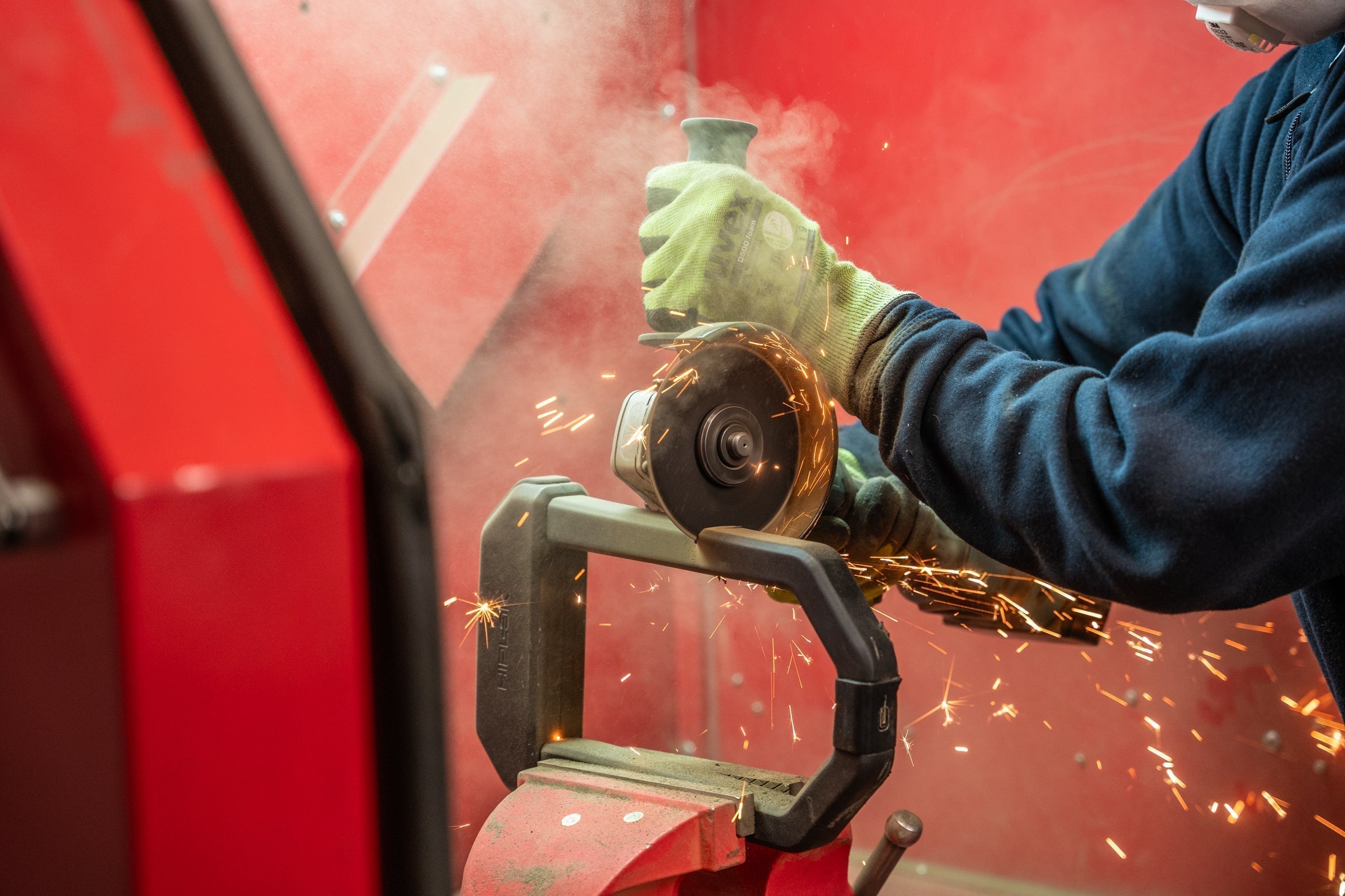
A portable battery angle grinder is one of the most effective tools a bike thief can carry. With the right disc, it can cut most standard locks quickly. When we talk about "grinder-proof" bike locks, we're describing designs intended to:
- Take significantly longer to cut than conventional locks
- Wear down cutting discs or require multiple discs
- Create noise, sparks and attention during an attack

Independent tests and real-world incidents consistently show that longer cutting times increase the risk of the thief being caught or interrupted. Disc changes, battery drain, noise and visible sparks all increase pressure on the attacker.
A more accurate term is angle grinder resistant. Resistance is about buying time, increasing effort, and making theft less attractive, not guaranteeing safety.
Why no bike lock is truly grinder-proof
No portable bike lock can be genuinely theft-proof. Given enough uninterrupted time, the right tools, any lock can be defeated.
Angle grinders are powerful because they:
- Cut hardened steel rather than snapping it
- Work quickly once positioned correctly
- Are widely available and relatively cheap
Even the strongest bike lock will eventually fail with enough discs, spare batteries and uninterrupted cutting time. This is why responsible security advice focuses on deterrence and delay.

How angle grinder attacks actually happen
Real-world grinder attacks are usually fast and opportunistic. Thieves don't want to spend minutes in one place drawing attention to themselves.
Typical attack patterns include:
- One or two rapid cuts rather than sustained and precise attacks
- Attacking the weakest or most exposed part of the lock
- Abandoning the attempt if discs wear out or time increases
This is where grinder-resistant bike locks change the equation. If a lock turns a 20-second cut into a multi-minute, multi-disc job, many thieves move on. Highly recognisable grinder-resistant locks can also act as a visible deterrent, signalling higher risk before an attack even begins.

What makes a lock resistant to angle grinders?
Angle grinder resistant bike locks rely on material choice and construction rather than thickness alone.
Common features include:
Hardened and layered materials
Specialist materials, including a mixture of steel and ceramic composites, can slow cutting and increase disc wear on the angle grinder. Some designs use multiple material layers so the grinder must cut repeatedly.
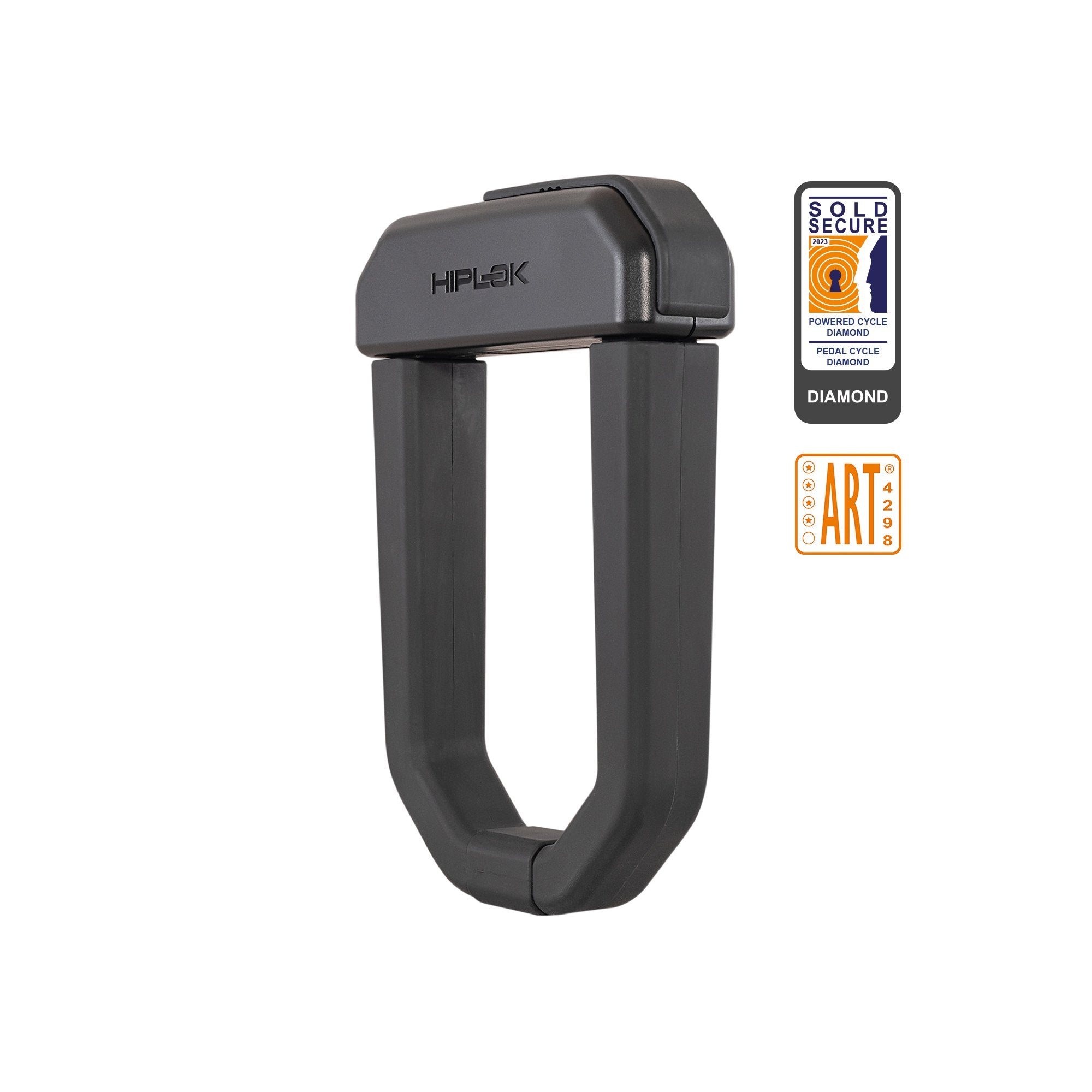
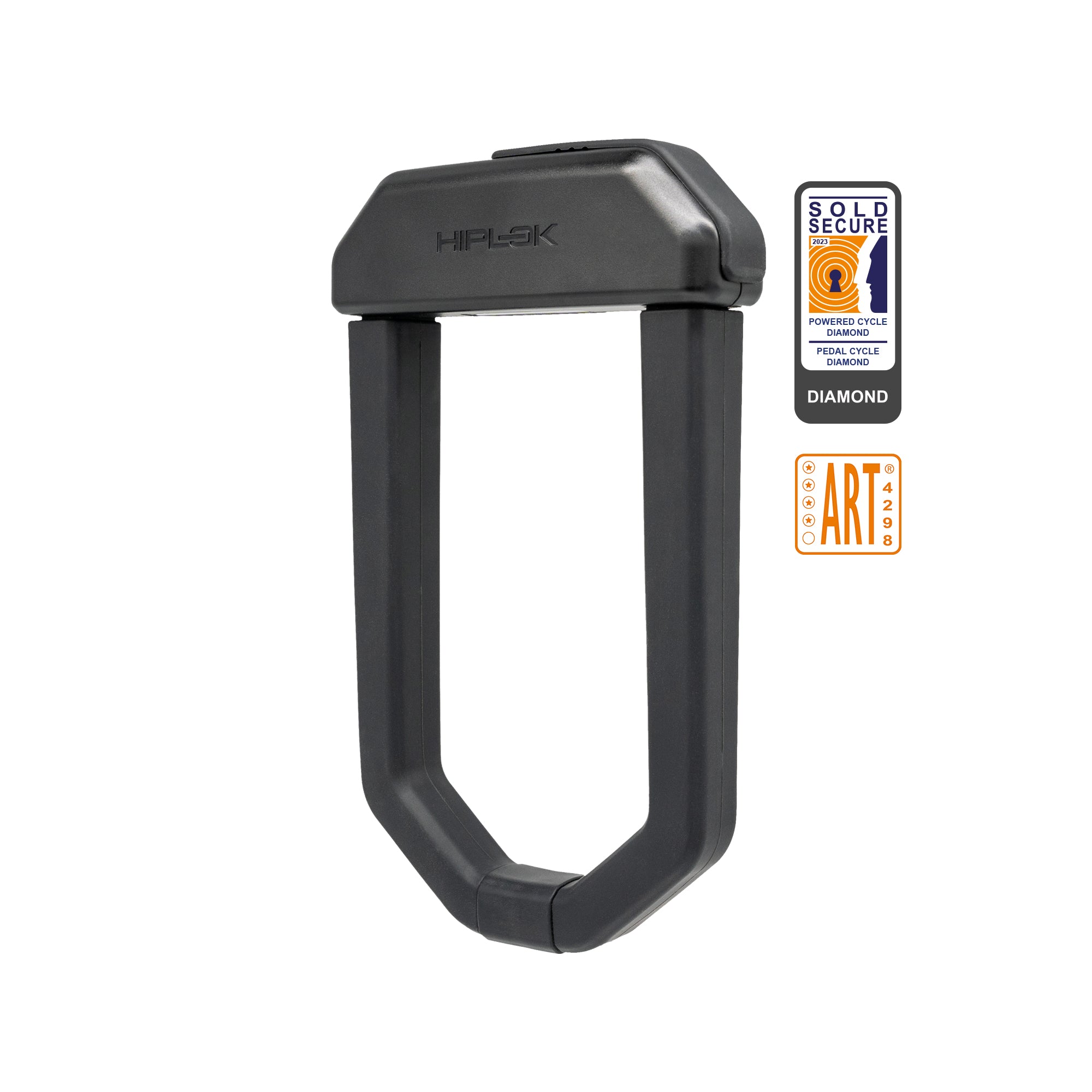
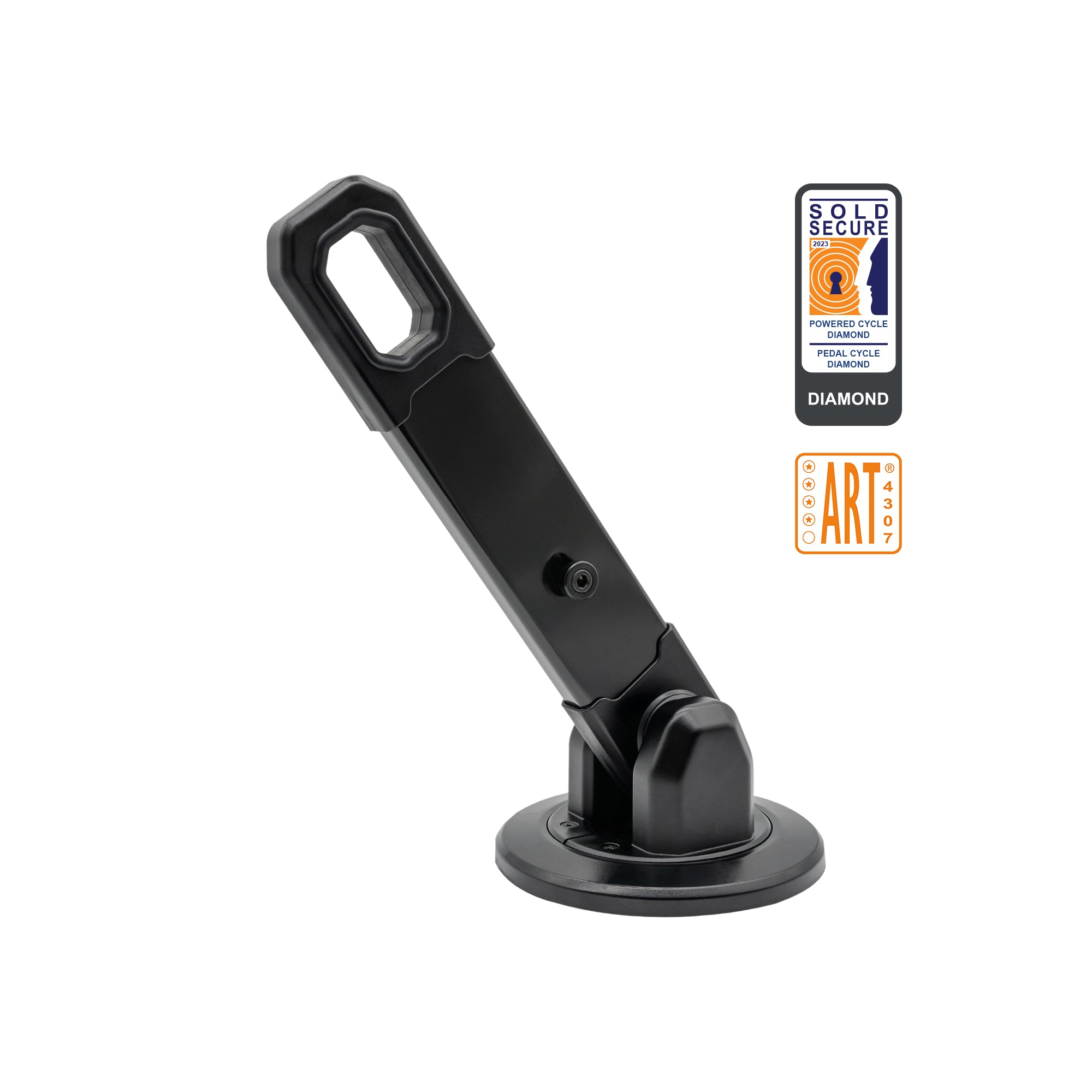
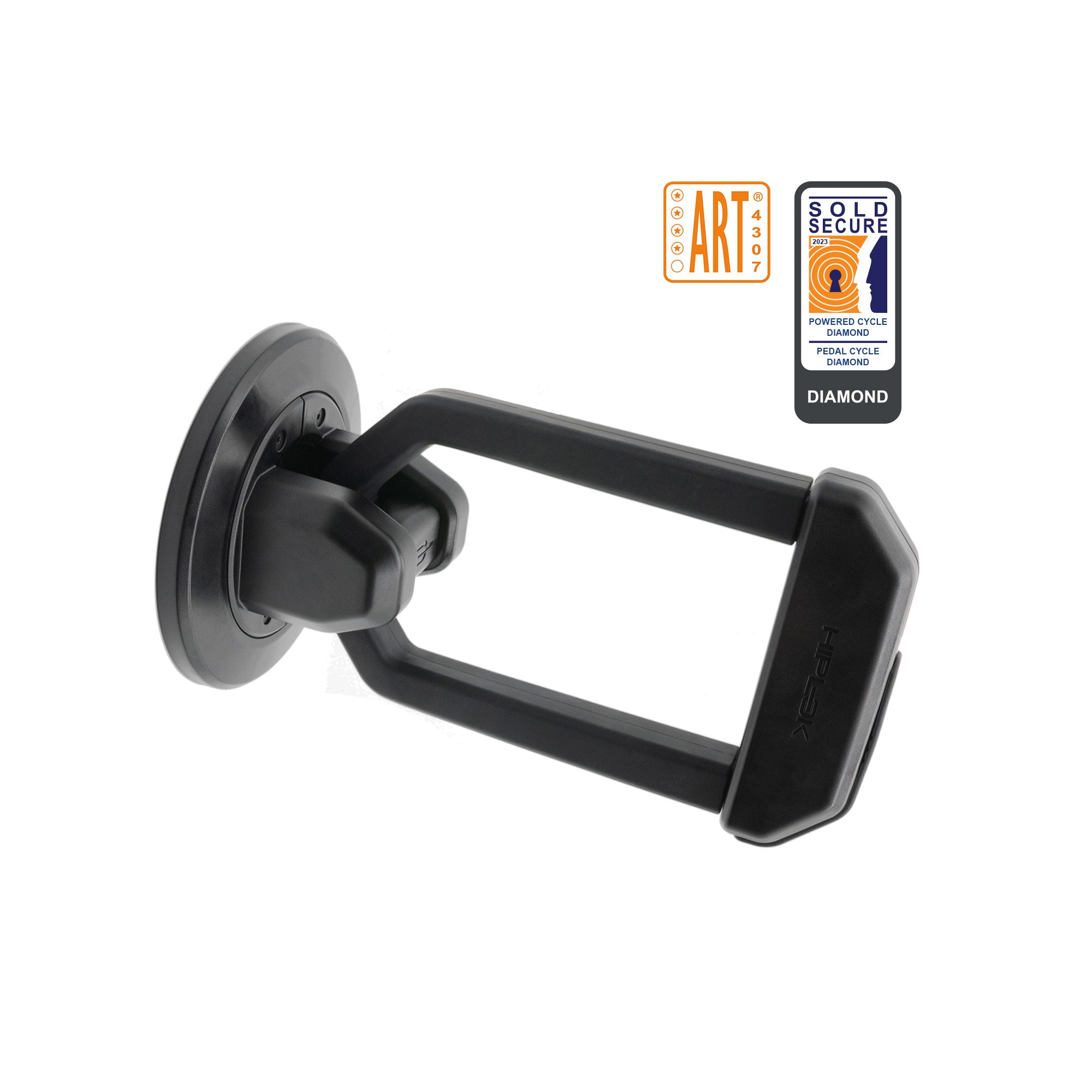
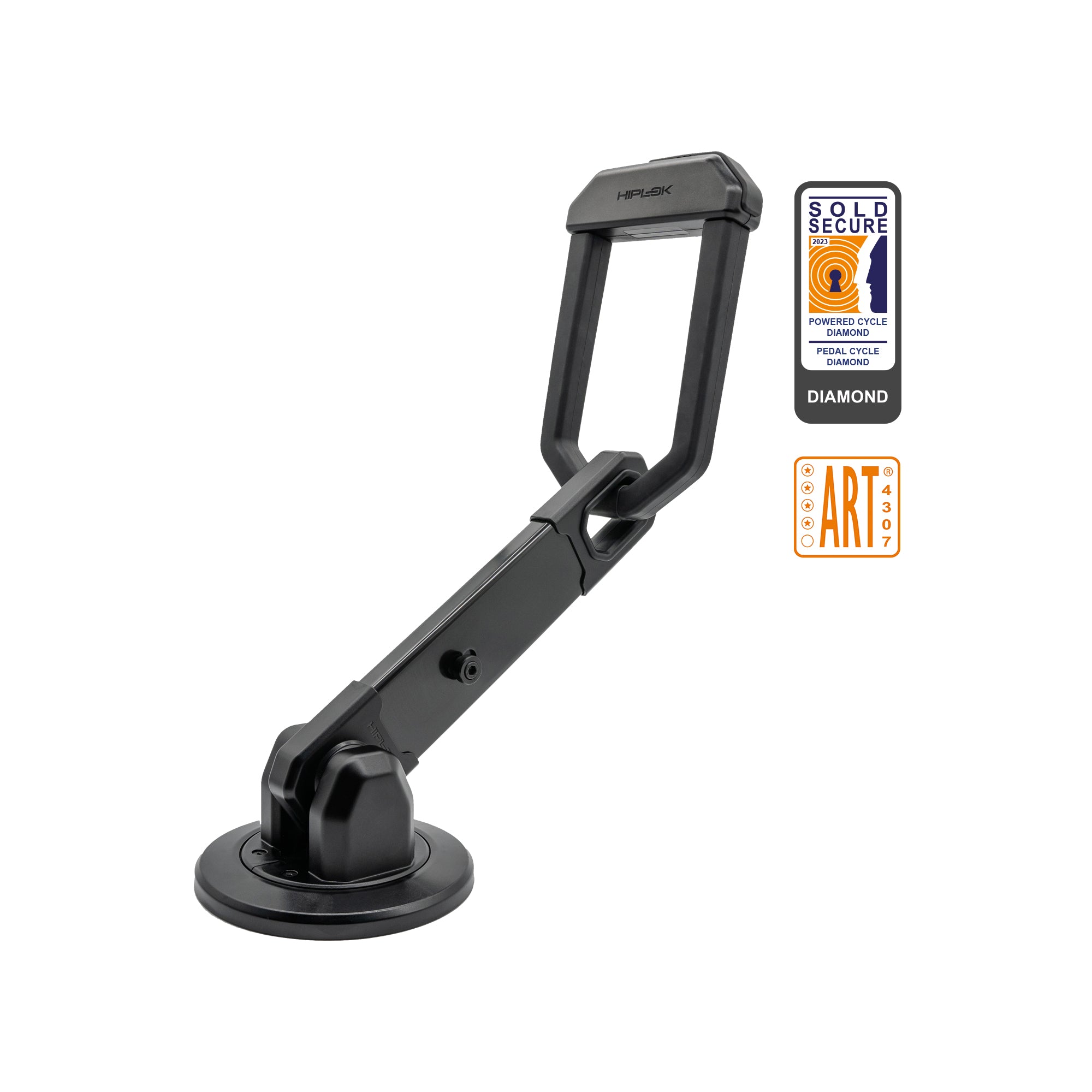
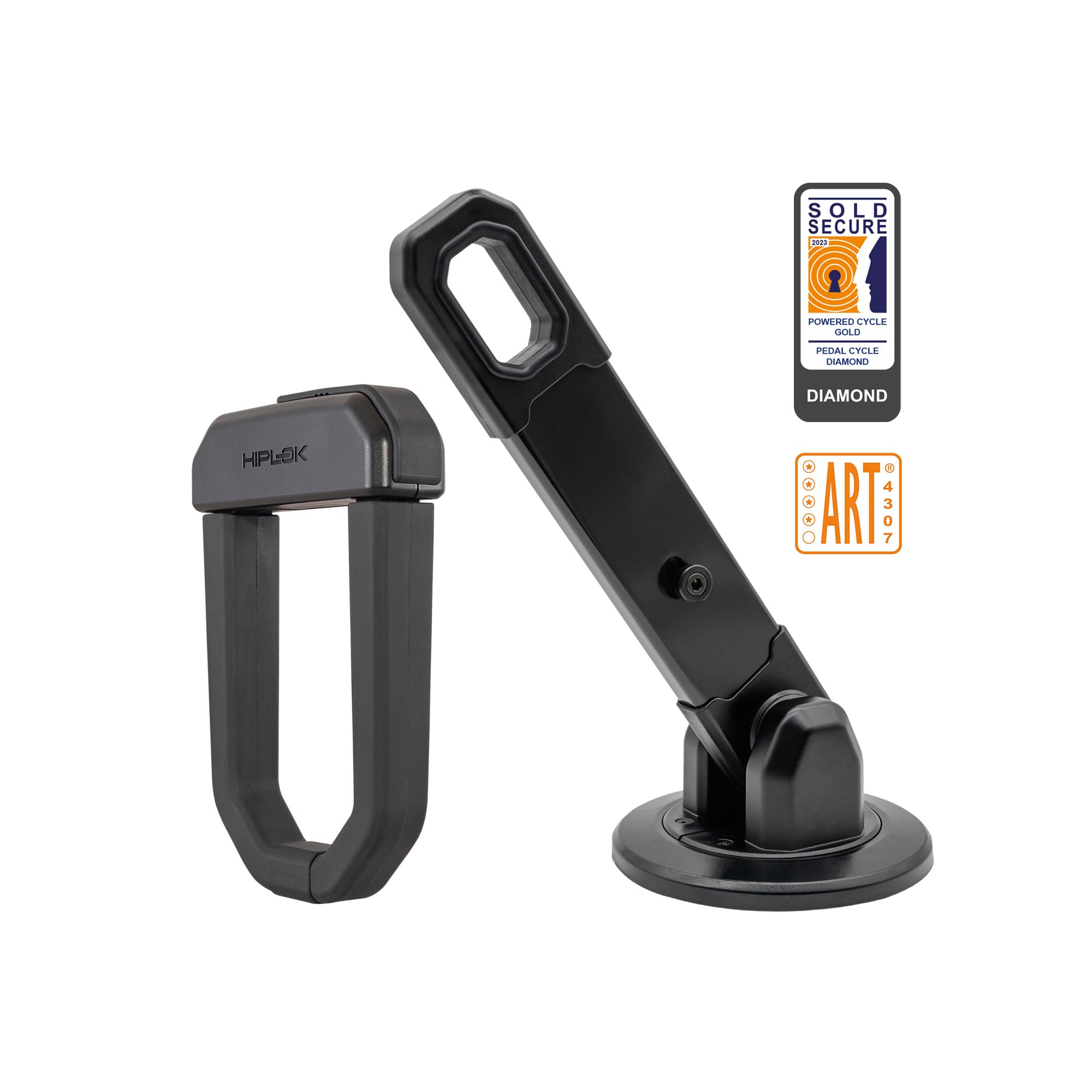
For example, the Hiplok 1000 Series locks utilise a combination of composite materials in conjunction with premium hardened steel to achieve its grinder resistance.
Double locking
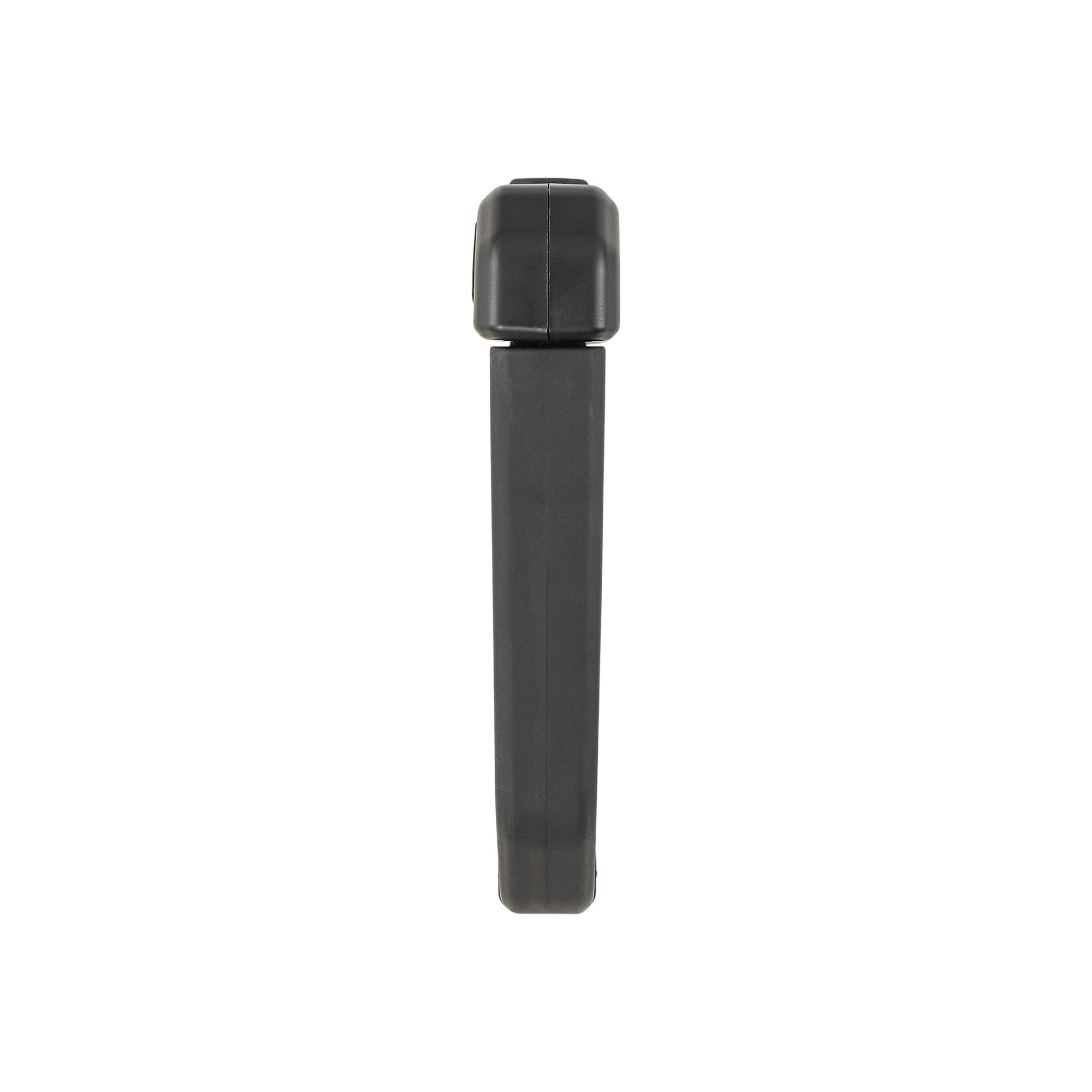
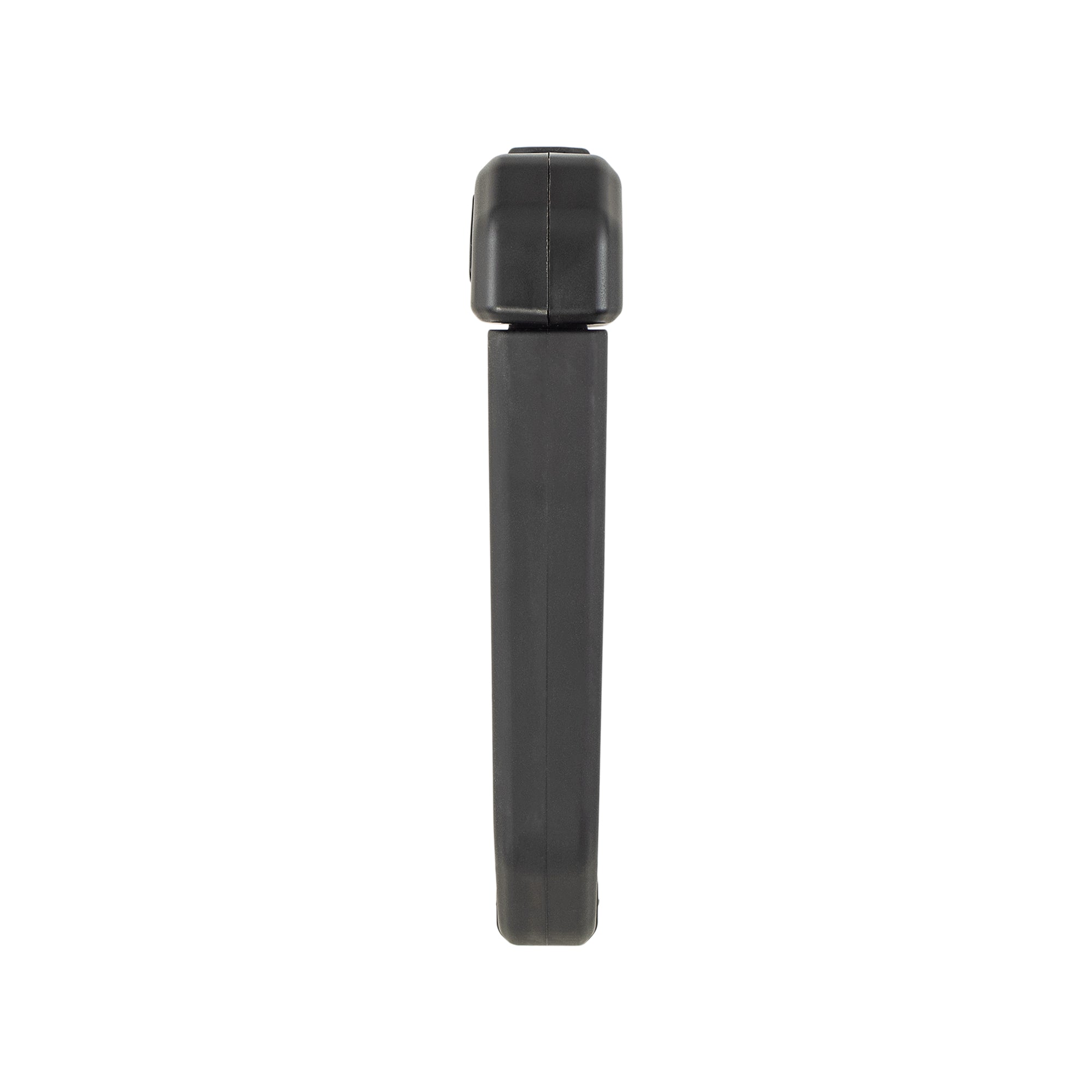
Ensuring a D lock is secured on both sides means a thief needs to make at least two separate cuts to remove it. All 1000 Series D Locks feature anti-rotation, double locking tabs, which will significantly increase attack time.
Protected lock bodies and shackles
Ensuring angle grinder resistant materials are used throughout the whole of the lock body, and not just the shackle is important. This protects the cylinder and also creates a fully closed loop system removing any weak points.
None of these make a lock grinder proof. But these construction methods, significantly reduce the risks of bike theft. Together, they can make it a much less attractive target, as:
- Longer cutting times increase the risk of the thief being caught or interrupted.
- Noise and sparks from an angle grinder theft attempt draw attention in public spaces.
- Your typical bike thief doesn't come prepared with multiple grinder discs and batteries.
A lock that survives multiple grinder discs or forces repeated cuts is doing its job, even if it's eventually defeated in a lab environment.

Environment and technique still matter
Even the best bike lock against an angle grinder can be undermined by poor locking choices.
Always consider:
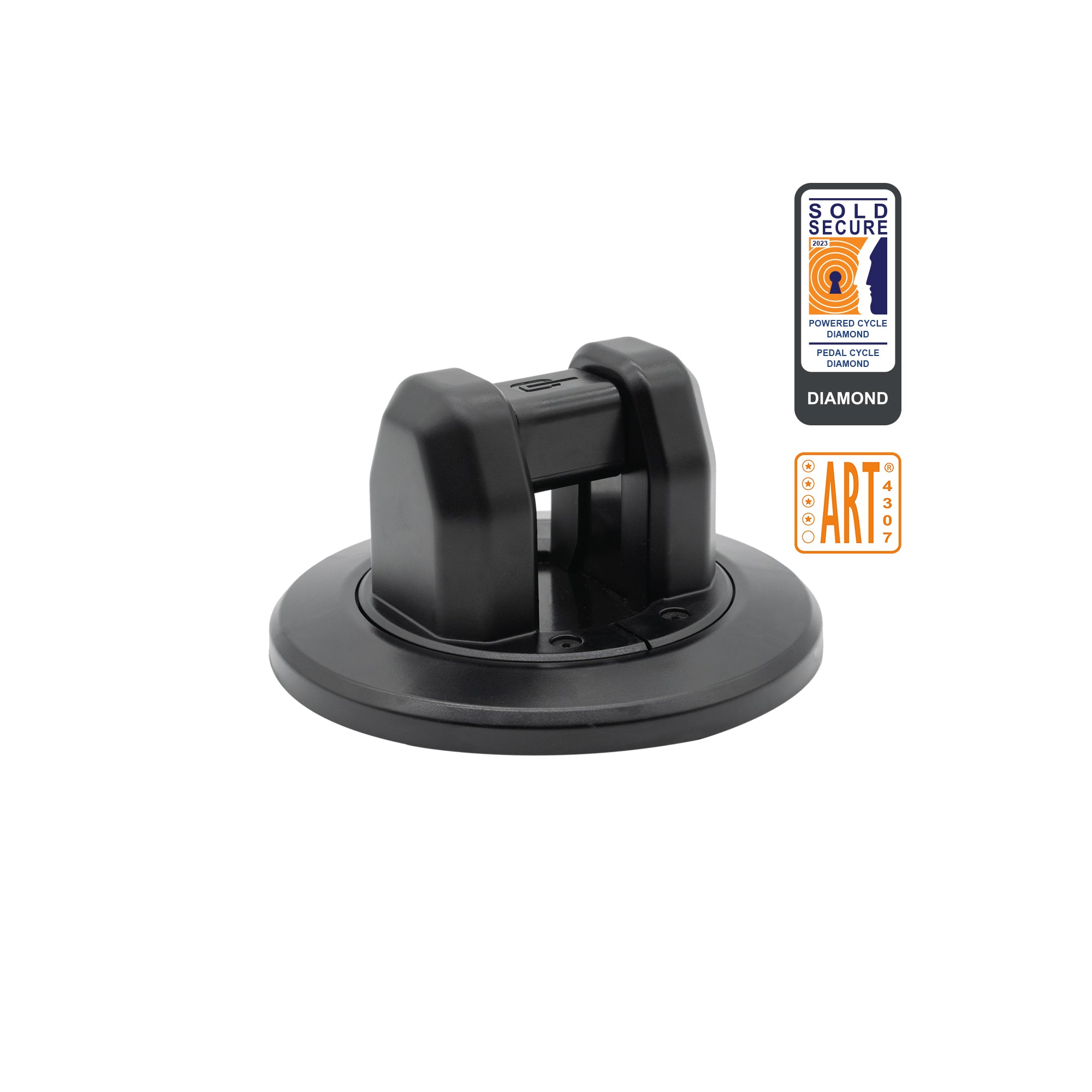
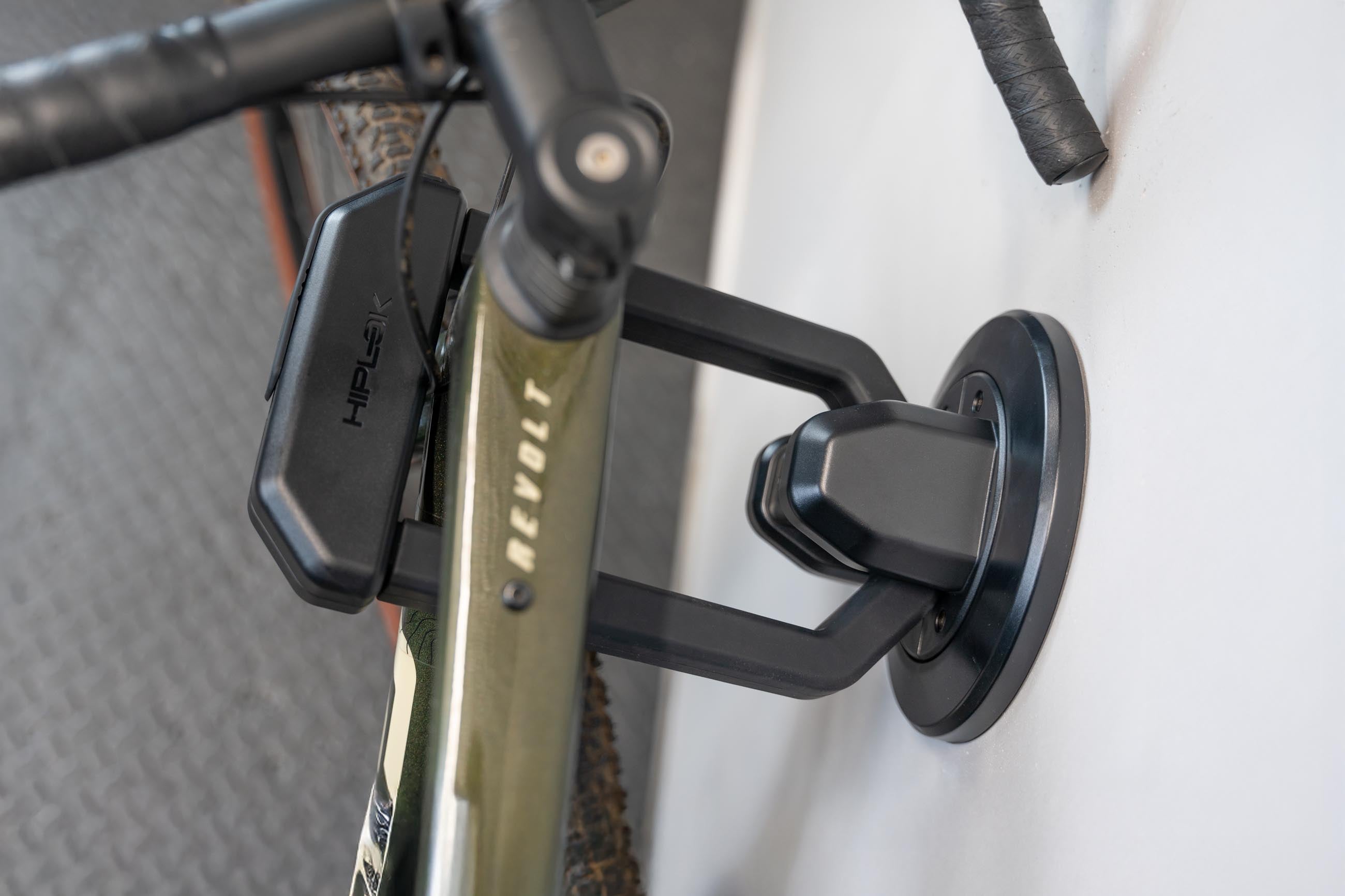
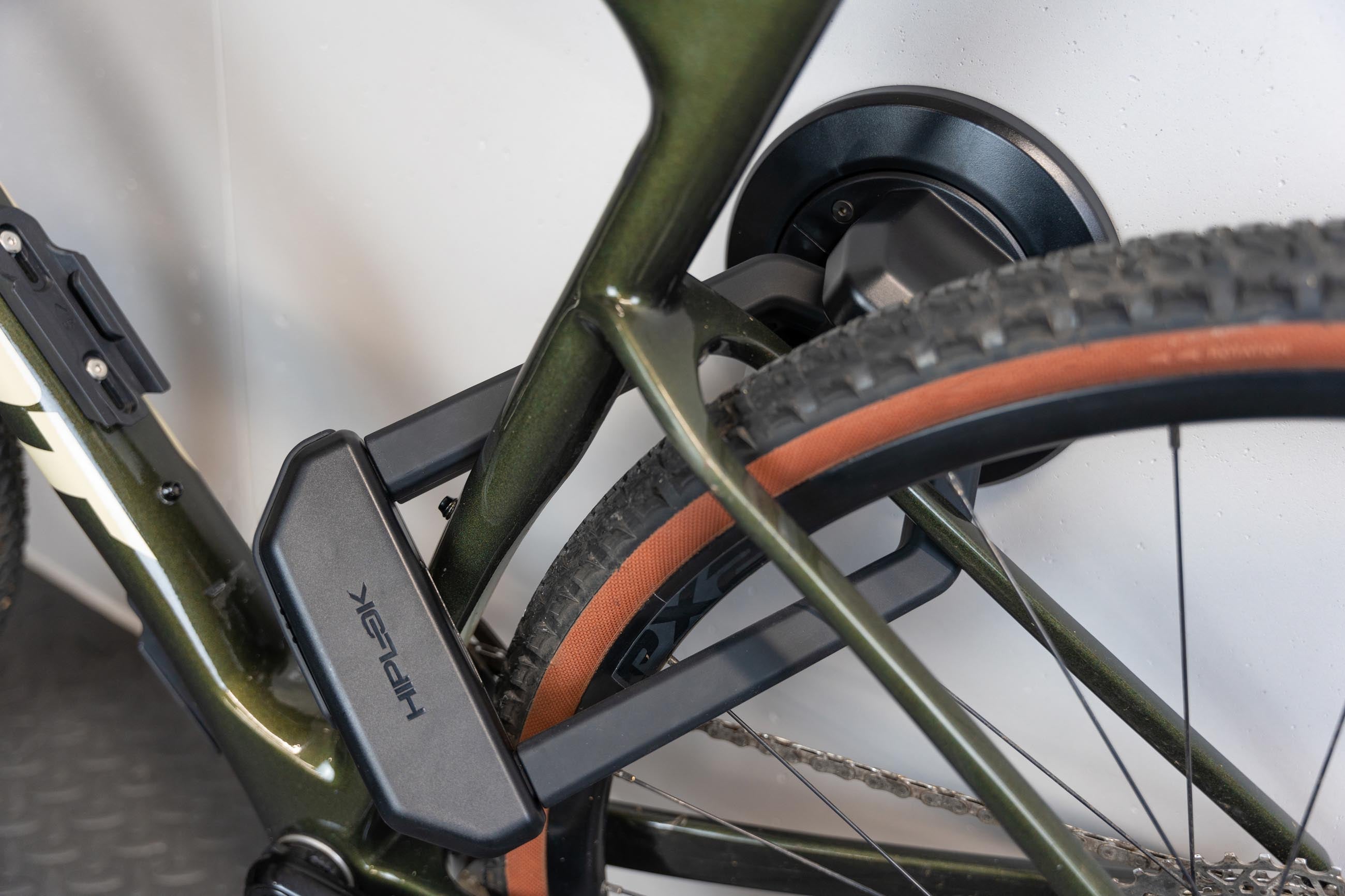
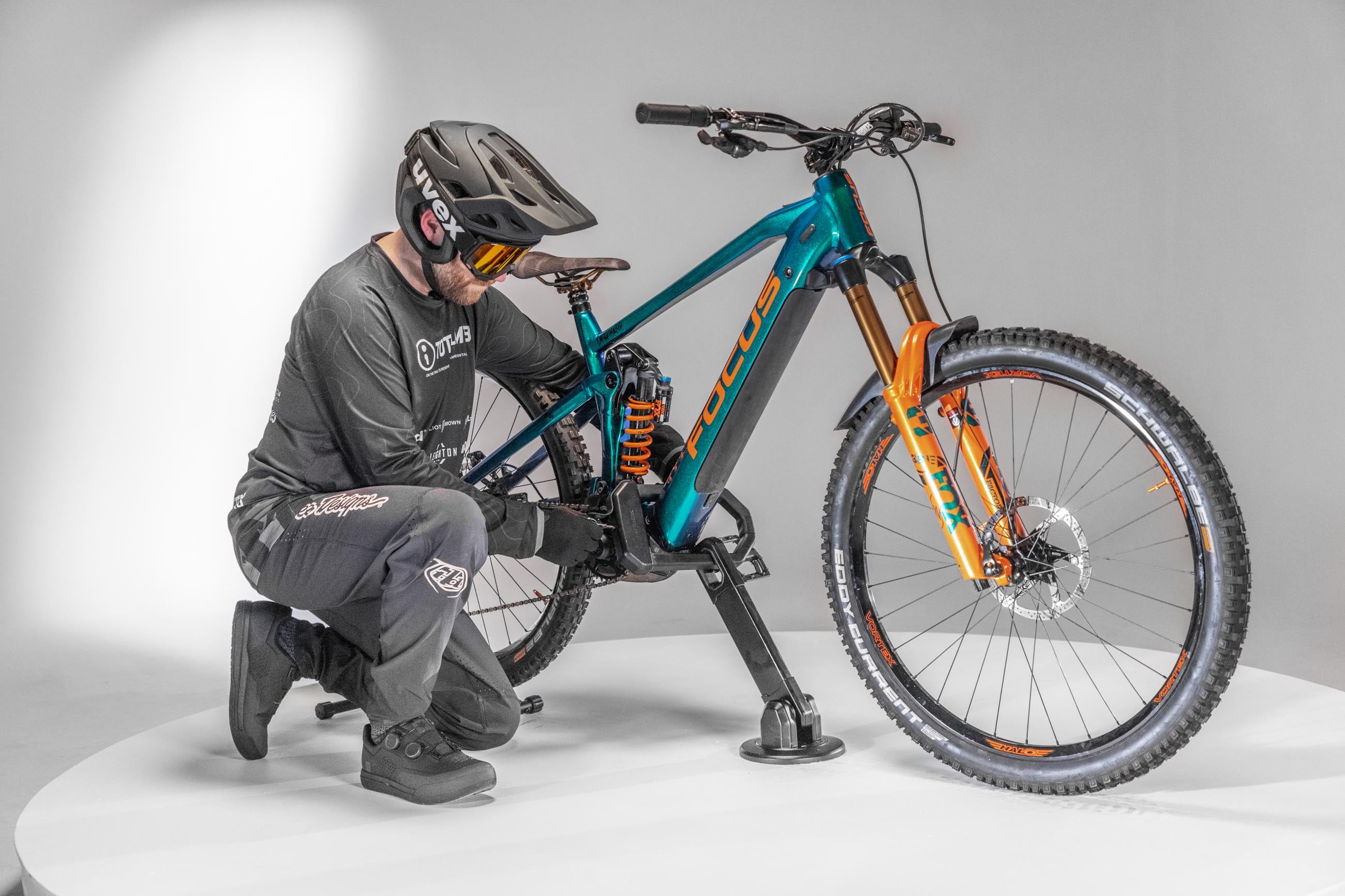
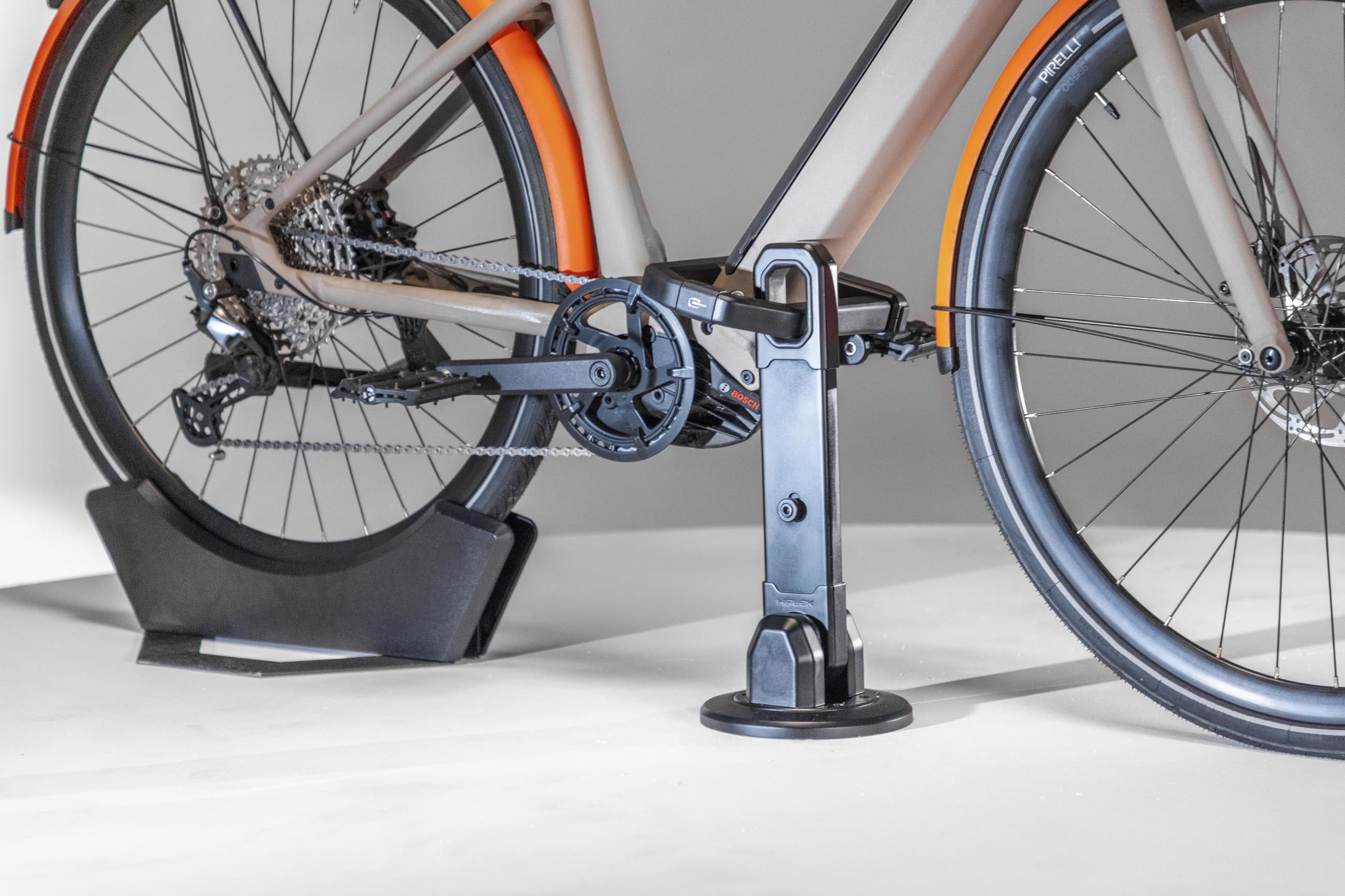
- What you lock to. Weak railings fail faster than locks. At home, using a fixed, anti-angle grinder ground or wall anchor helps eliminate this weak point and ensures your lock is secured to a security-rated anchor rather than a vulnerable structure.
- Lock position. Keep the lock off the ground to prevent leverage and make grinder control harder.
- Exposure. Busy, well-lit locations increase risk for thieves.
Combining a grinder-resistant lock with smart locking technique is far more effective than relying on hardware alone.

When grinder-resistant locks make sense
Anti-angle grinder bike locks are not necessary for every situation. They're most appropriate when:
- You ride a high-value bike
- You park regularly in city centres
- Your bike is left for longer periods in public
- Local theft involves power tools
For quick stops in low-risk areas, a lighter lock may be more practical. Security should always match risk.

How Hiplok approaches anti-angle grinder security
At Hiplok, we design security around real riding and parking conditions.
Our anti-angle grinder 1000 Series locks focus on:
- Materials that significantly slow cutting
- Construction that forces multiple cuts and disc changes
- Independent testing and transparent claims
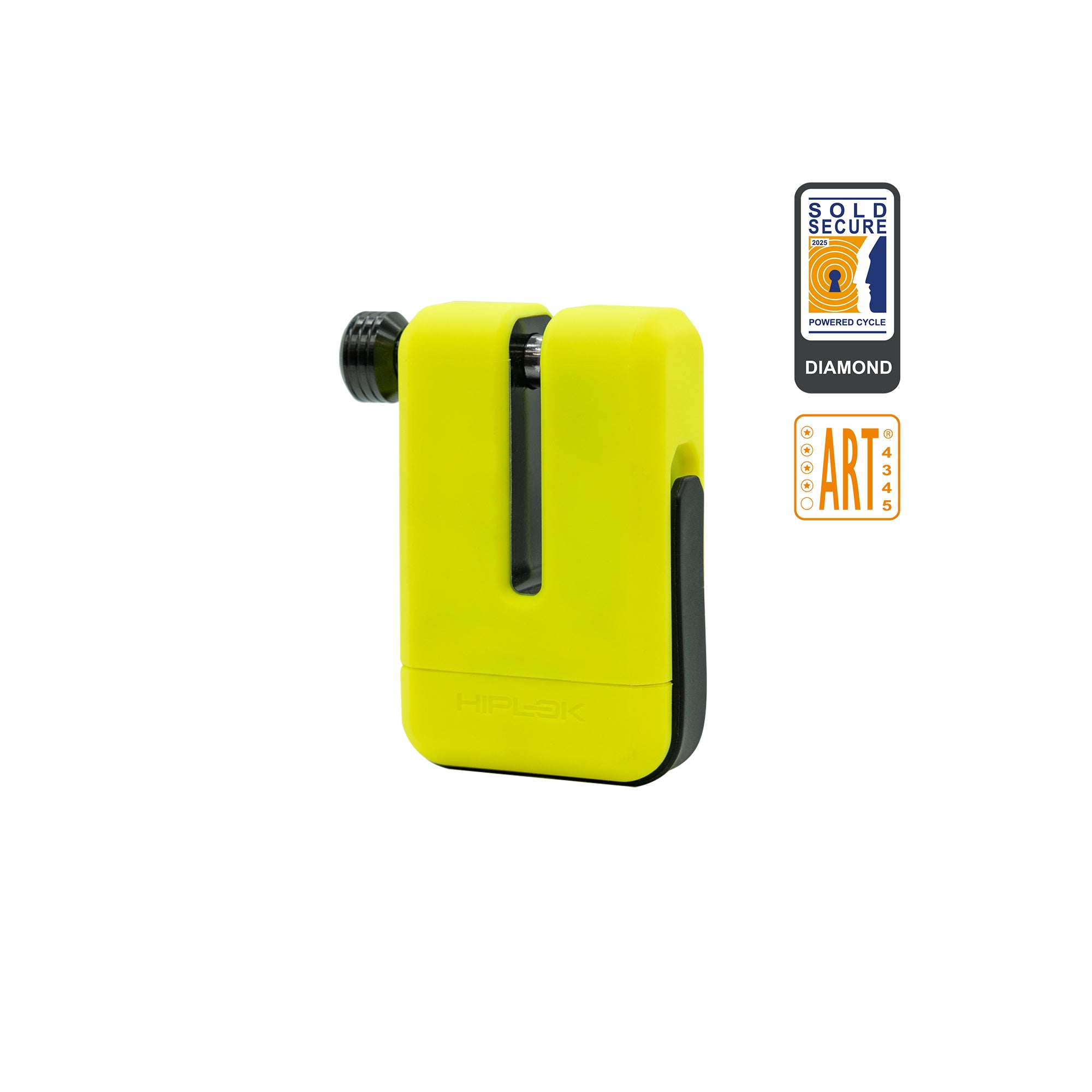
If you're considering different protection levels, it also helps to compare high-security bike locks to see where grinder resistance fits alongside other options. Our Sold Secure hub explains the different security levels and the different security products available in each category.
For riders seeking our highest rated security products, explore the 1000 Series bike locks, designed for high-risk urban parking.
Also, check out the attack test videos carried out in-house.
Conclusion
"Angle grinder proof" locks are not uncuttable. They are designed to withstand grinder attacks by increasing time, noise and effort and that's often enough to make a thief move on.
If you regularly park in high-risk urban areas, choosing a grinder-resistant lock and using it well is a sensible step.
Explore anti-angle grinder bike locks and choose protection that matches how and where you ride.
FAQs
Q. Is any bike lock truly angle grinder proof?
No. Given enough time and the right tools, any lock can be cut. Grinder-resistant locks aim to delay and deter rather than promise the impossible.
Q. How long does an angle grinder take to cut a bike lock?
It depends on the lock and the attack. Basic locks can fail in seconds. Grinder-resistant designs can take several minutes and multiple discs.
Q. Are angle grinder resistant locks worth it for city commuting?
For high-value bikes or regular urban parking, yes. They significantly increase attack time and risk for thieves.
Q. What materials make a bike lock more grinder resistant?
Specialist materials, including a mixture of steel and ceramic composites, slow cutting and increase disc wear on the angle grinder.
Q. How do thieves attack grinder-resistant locks?
They usually target exposed sections and attempt quick cuts. If resistance is high or discs wear out, many abandon the attempt.

Teilen Sie:
Wie man einen Elektroroller abschließt