

If you ride regularly, your bike quickly becomes part of your routine. It's how you get to work, meet friends, or just switch off for a bit. So when you lock it up, you want something that fits into that routine without slowing you down — but still gives you confidence when you walk away.
Folding bike locks sit right in that middle ground. They're compact, easy to carry, and flexible enough for everyday use. But like any lock type, they come with trade-offs.
Here's how folding bike locks work, where they make sense, and when you might want something more secure.
What Is a Folding Bike Lock?
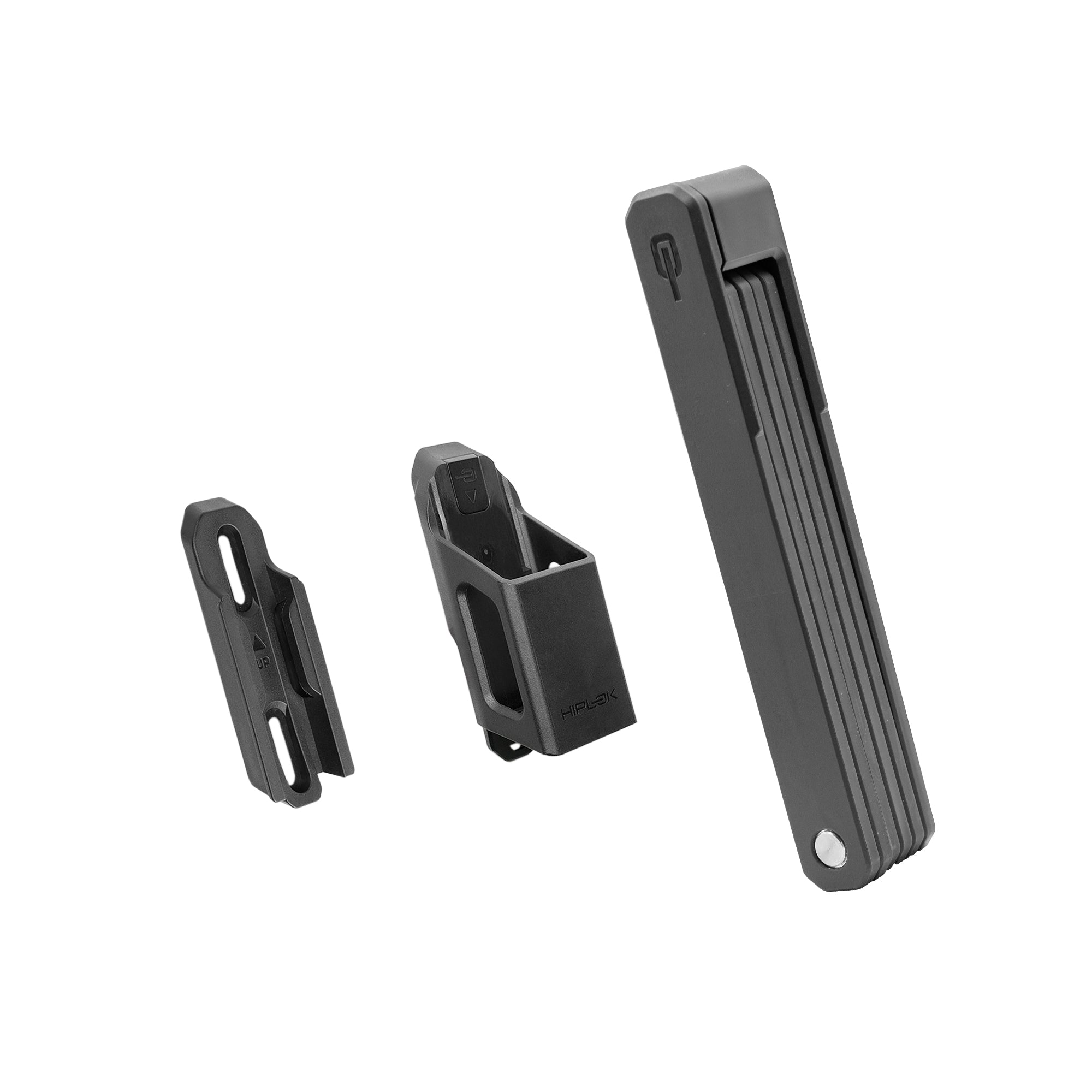
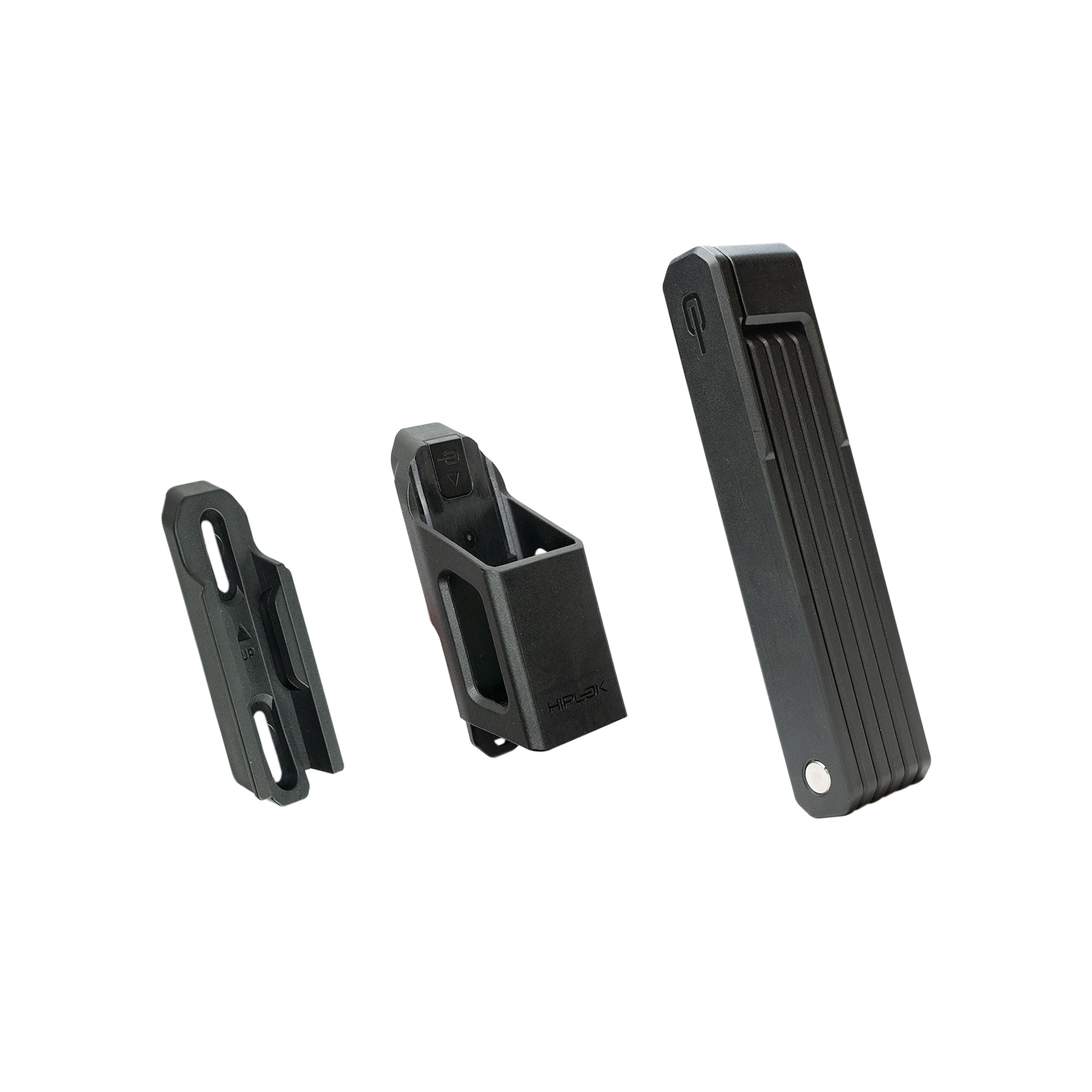
A folding bike lock is made from a series of hardened steel plates connected by rivets or joints. When unfolded, it forms a loop you can wrap around your bike and a fixed object. When not in use, it folds down into a compact shape.
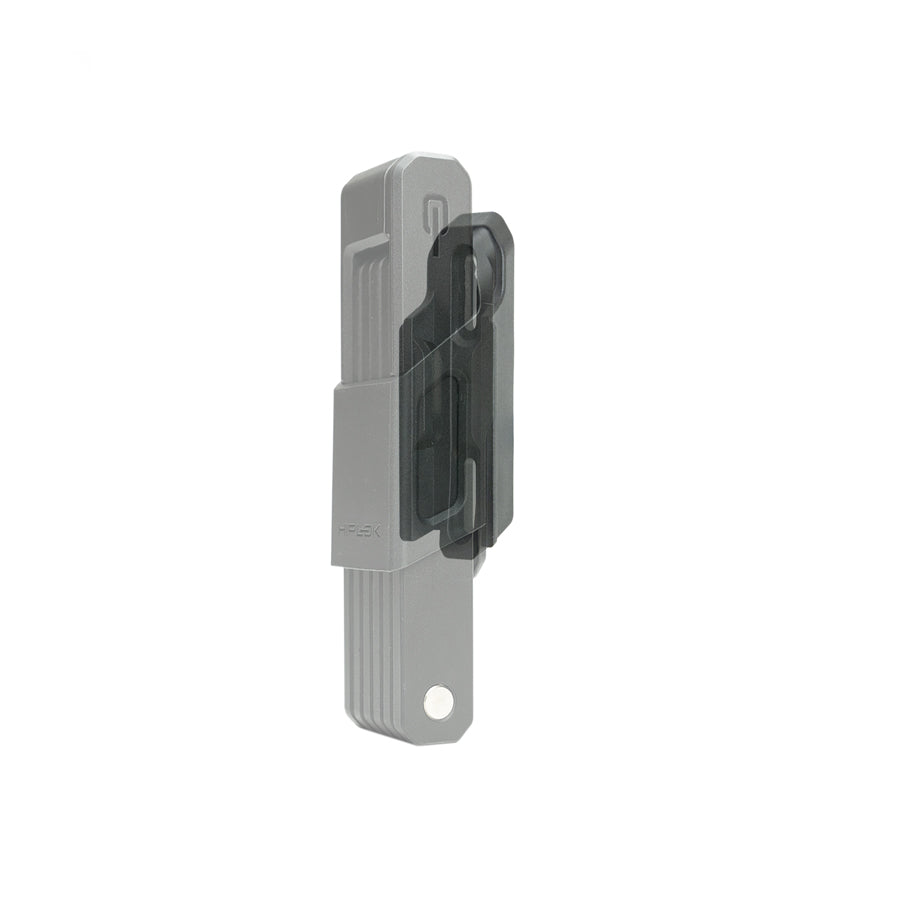
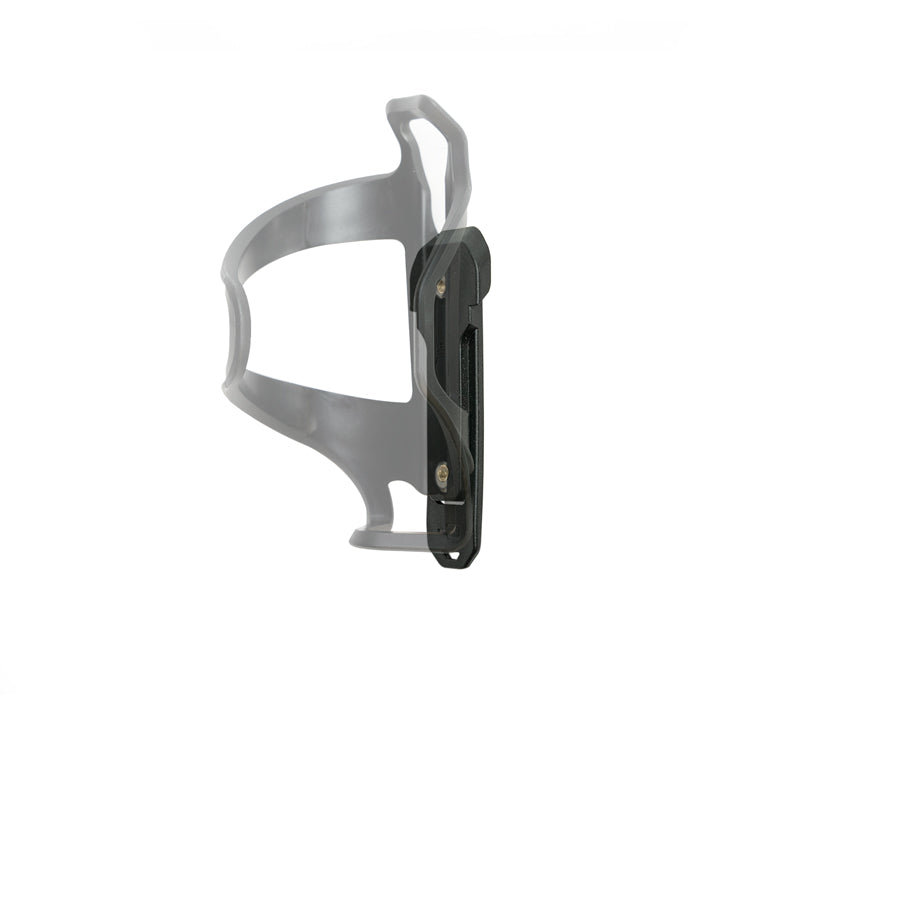
Most folding locks mount directly to your bike frame, which is a big part of their appeal. You don't need to carry them in a bag or wear them — they're just there when you need them.
That convenience is what makes them popular with urban riders who stop frequently throughout the day.

How Folding Bike Locks Work in Practice
In real-world use, folding locks are about balance.
They give you more reach than a D lock, which helps when bike racks are crowded or awkwardly shaped. At the same time, they're quicker to handle than a chain lock and far easier to carry.
But the way they're built — with multiple connected sections — also affects how they perform under attack.
Understanding that balance is key to deciding if one suits your riding.

The Pros of Folding Bike Locks
Folding bike locks are designed around everyday usability. For a lot of riders, that's exactly what matters most.
Compact and Easy to Carry
One of the biggest advantages is how neatly they fold down.
Mounted to your frame, a folding lock doesn't swing around like a chain or take up space in a bag. It's a clean, practical solution for daily riding.
Flexible Locking Options
Compared to a D lock, folding locks give you more flexibility in how you secure your bike.
You can:
- Reach around wider objects
- Lock both the frame and a wheel more easily
- Adapt to different bike rack shapes
That flexibility makes a difference in busy urban environments where ideal locking spots aren't always available.
Quick and Convenient for Short Stops
If you're stopping at a café, shop, or office, speed matters.
Folding locks are straightforward to unfold, position, and secure. That ease of use encourages consistent locking — which is often half the battle when it comes to theft prevention.
The Cons of Folding Bike Locks
That convenience does come with limitations. Being clear about these helps you make a better decision.
Lower Attack Resistance Than D Locks
Folding locks generally don't offer the same level of resistance as a high-quality D lock.
The segmented design means there are more potential points of attack, and they typically don't match the thickness or rigidity of a solid shackle.
For higher-risk areas or longer parking times, that difference matters.
Joint and Rivet Vulnerability
The joints that allow the lock to fold are also its most complex areas.
While they're designed to be strong, they can be targeted with the right tools. This is one of the main reasons folding locks aren't usually the top choice for maximum security.
Not Ideal for Overnight or High-Risk Parking
If you regularly leave your bike outside overnight or in high-theft areas, a folding lock on its own may not be enough.
In those situations, higher-security options — or combining multiple locks — is the safer approach.
Folding Lock vs D Lock vs Chain Lock
Each lock type exists for a reason. The right choice depends on how and where you ride.
- Folding locks: Best for convenience, portability, and flexible everyday use
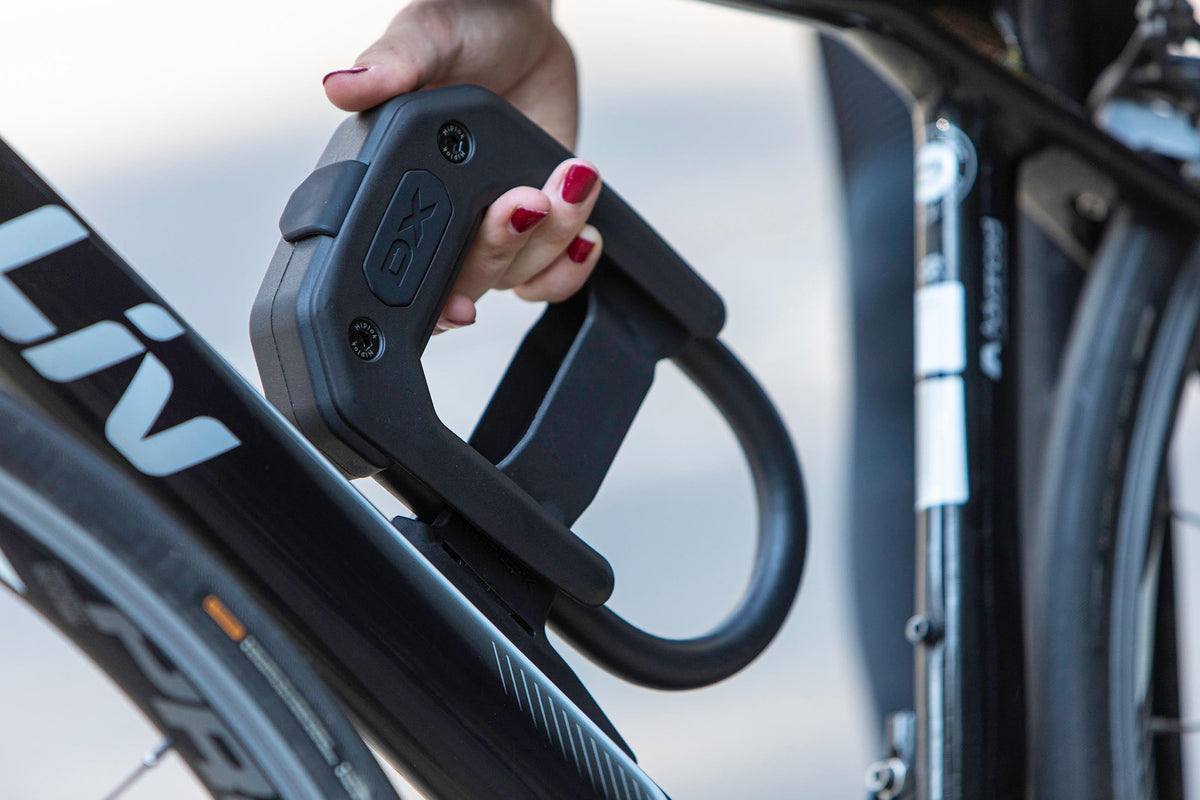
- D locks: Higher security, more resistant to common attacks, but less flexible
- Chain locks: Very strong and versatile, but heavier and less portable
If you're still weighing up options, it's worth looking at our guide to Choosing between different bike lock types.
Are Folding Bike Locks Secure Enough?
This is the question most riders are really asking.
Folding bike locks are secure enough for many everyday situations — especially lower to medium-risk environments and short stops.
But no lock is theft-proof, and folding locks are not designed to offer the highest possible resistance.
Think of them as part of a broader approach to security. They deter opportunist theft and make your bike a harder target, but they rely on being used in the right context.
Who Are Folding Bike Locks For?
Folding locks tend to suit riders who prioritise convenience without ignoring security.
They're a good fit if you:
- Ride in urban areas with regular short stops
- Want a lock that mounts neatly to your bike
- Need flexibility when locking to different objects
- Are balancing portability with moderate security
They're less suited if you:
- Regularly park overnight in public
- Ride a high-value bike in high-risk areas
- Want maximum resistance against determined attacks

How to Use a Folding Lock More Securely
If you do choose a folding lock, how you use it makes a big difference.
A few practical steps can improve your security:
- Lock through the frame, not just a wheel
- Choose well-lit, busy areas where possible
- Keep the lock off the ground to make attacks harder
- Combine with a second lock for higher-risk situations
These small habits increase the effort and time required to steal your bike — which is often enough to make a thief move on.
When a Folding Lock Isn't the Right Choice
There are situations where it's better to go straight to a higher-security option.
If your bike is left unattended for long periods, or you're locking in areas known for theft, a D lock or heavy-duty chain lock will give you more resistance and peace of mind.
Folding locks aren't a universal solution — and they're not meant to be.
Conclusion
Folding bike locks are all about balance.
They make it easier to carry a lock every day, easier to use it properly, and easier to secure your bike in awkward spaces. For many riders, that convenience is exactly what keeps their bike protected during daily stops.
But they work best when you're honest about their limits and use them in the right situations.
If you're looking for a practical, everyday solution, they're a strong option. If you need higher security, it's worth stepping up — or combining lock types.
Explore our range of folding bike locks to find the right fit for your ride.
FAQs
Are folding bike locks secure enough for city commuting?
Yes, for lower to medium-risk areas and short stops. For higher-risk environments, consider combining them with another lock.
What are the main disadvantages of folding bike locks?
They generally offer lower attack resistance than D locks and have joints that can be targeted.
How do folding locks compare to D locks for security?
D locks typically provide higher resistance due to their solid shackle design, while folding locks prioritise flexibility and portability.
Are folding bike locks good for expensive bikes?
They can be used, but often work best as part of a two-lock setup for added security.
When should you avoid using a folding bike lock?
Avoid relying on one for overnight parking or in high-theft areas where higher-security locks are more suitable.



Share:
How the Hiplok 1000 Series Thwarts Real Theft Attempts
Top Bike Cable Locks for Low-Risk Stops: A Comprehensive Guide