

If you ride regularly, your bike quickly becomes part of your routine. It's how you get to work, nip across town, or unwind after a long day. And when you leave it outside, even for a few minutes, you want to know it's still going to be there when you get back.
Cable locks are popular because they're lightweight, flexible, and easy to carry. But using one properly makes a big difference. Done right, a cable lock can help deter opportunist theft. Done poorly, it can leave your bike exposed.
This guide walks you through how to secure your bike with a cable lock safely, where they work best, and where they don't.
What Is a Cable Lock?
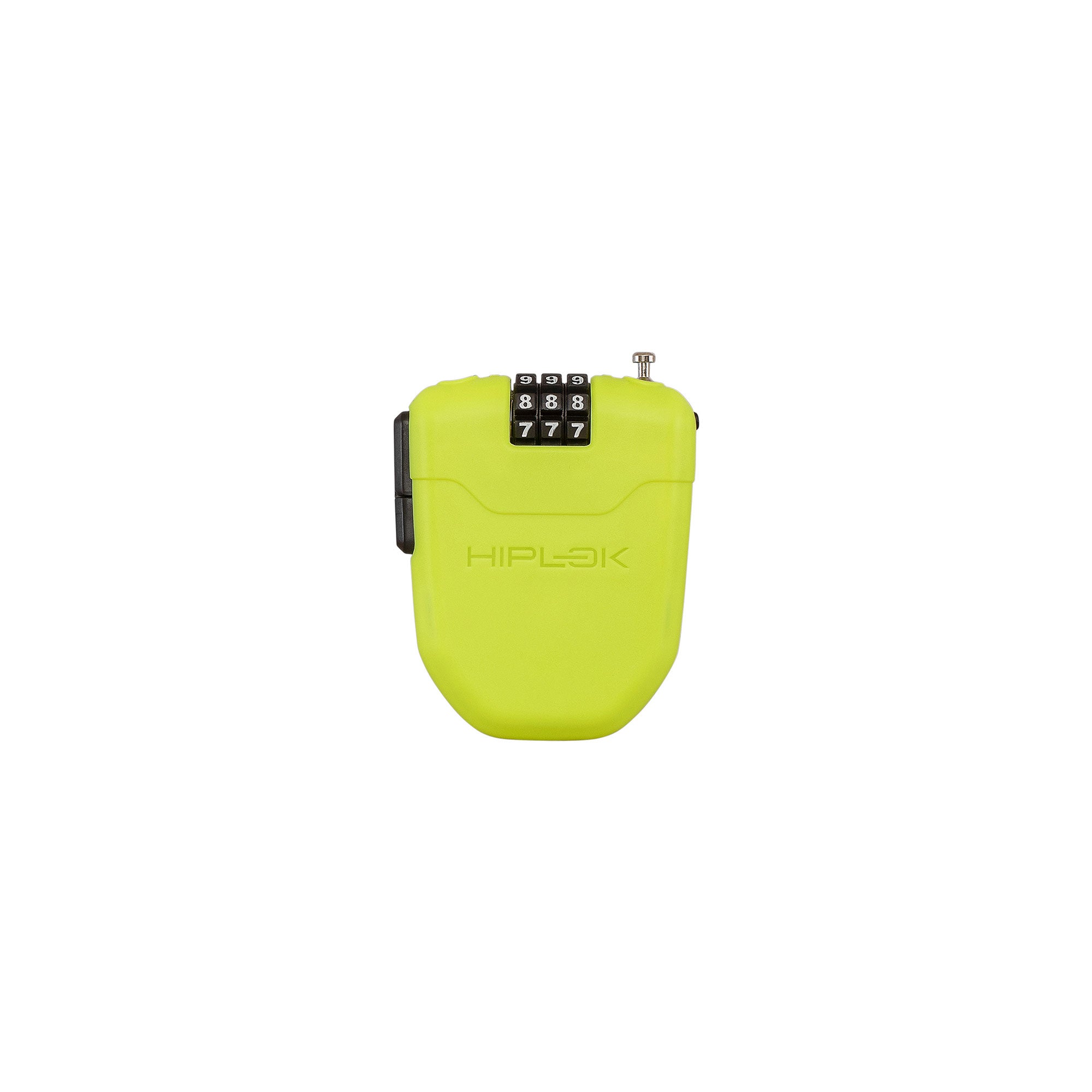
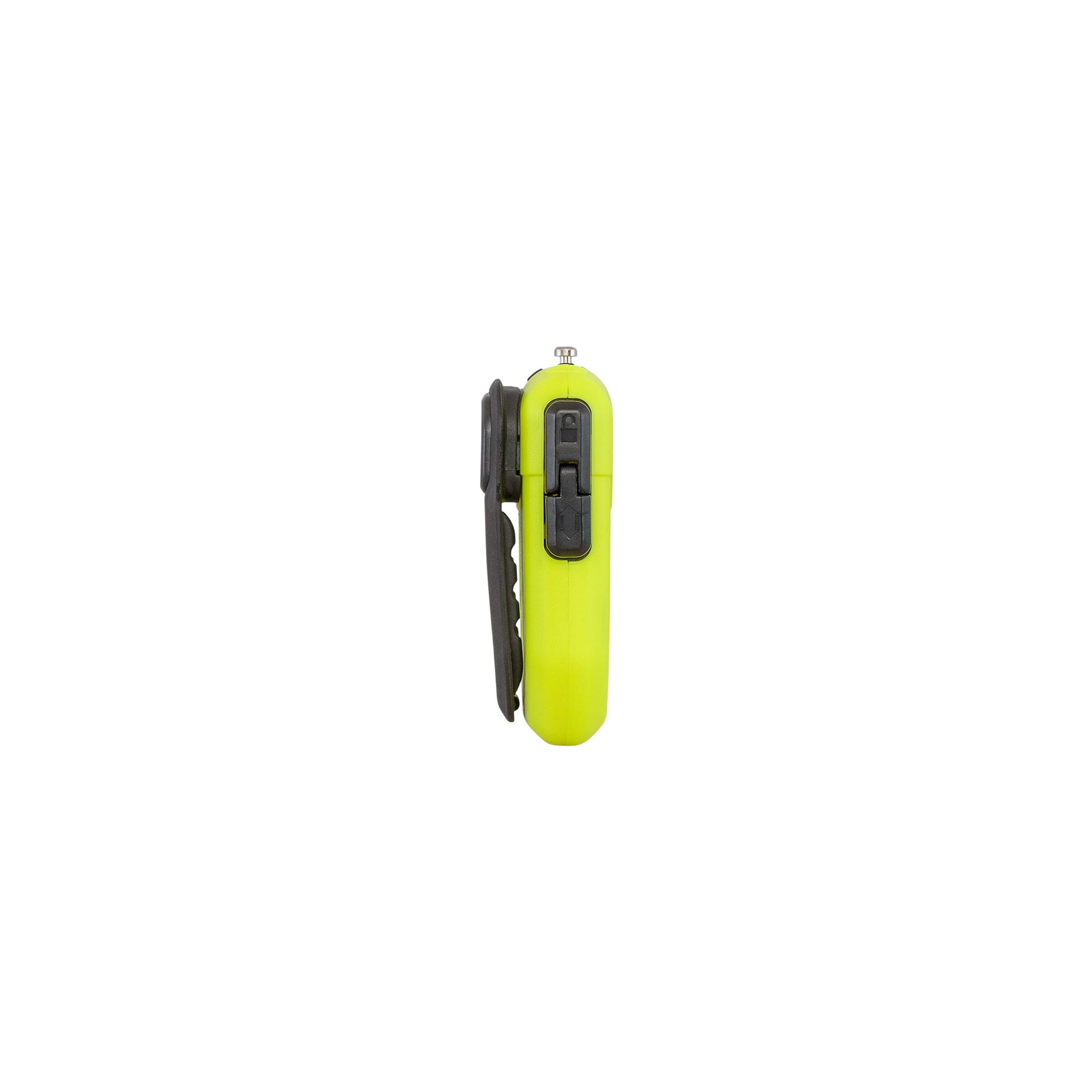
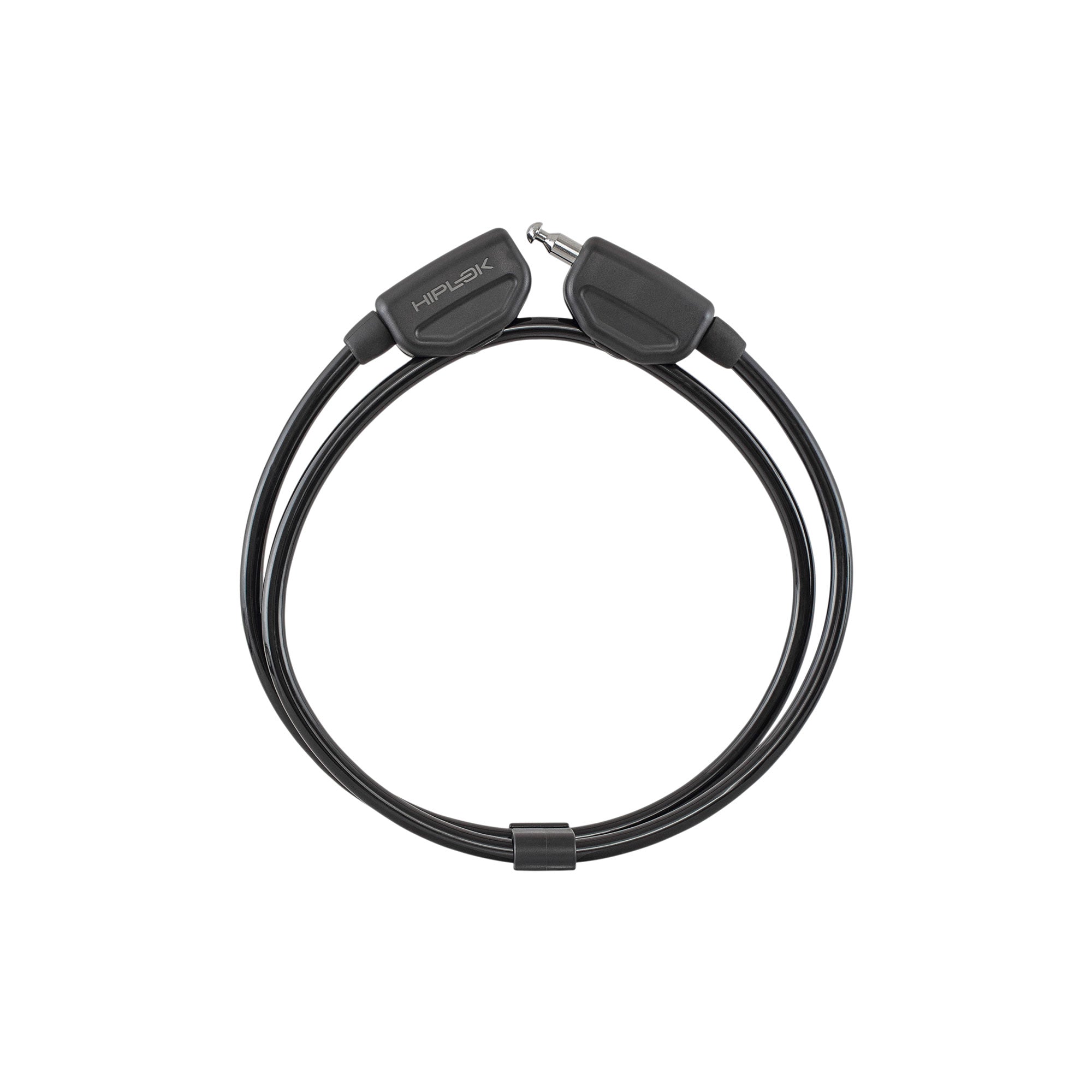
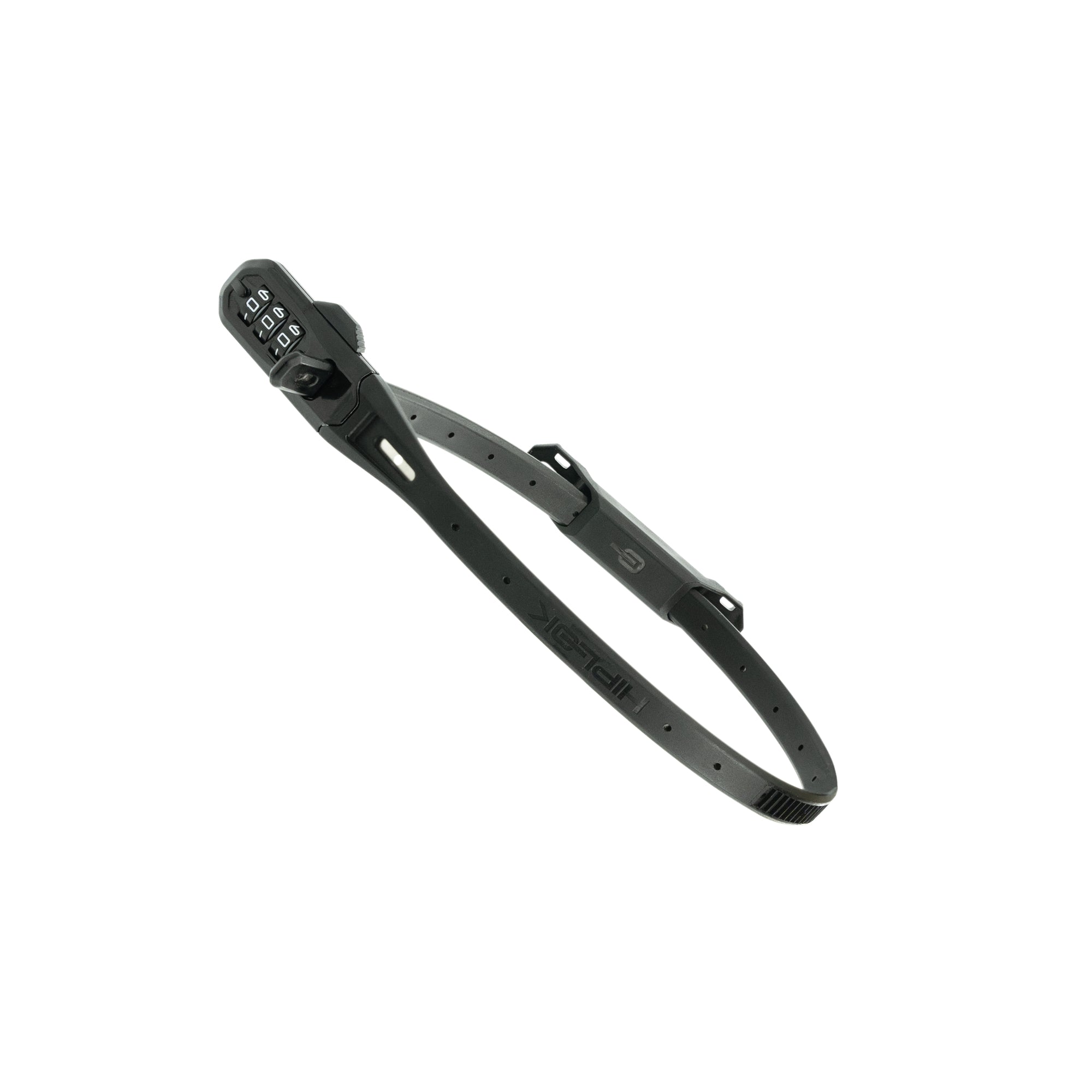
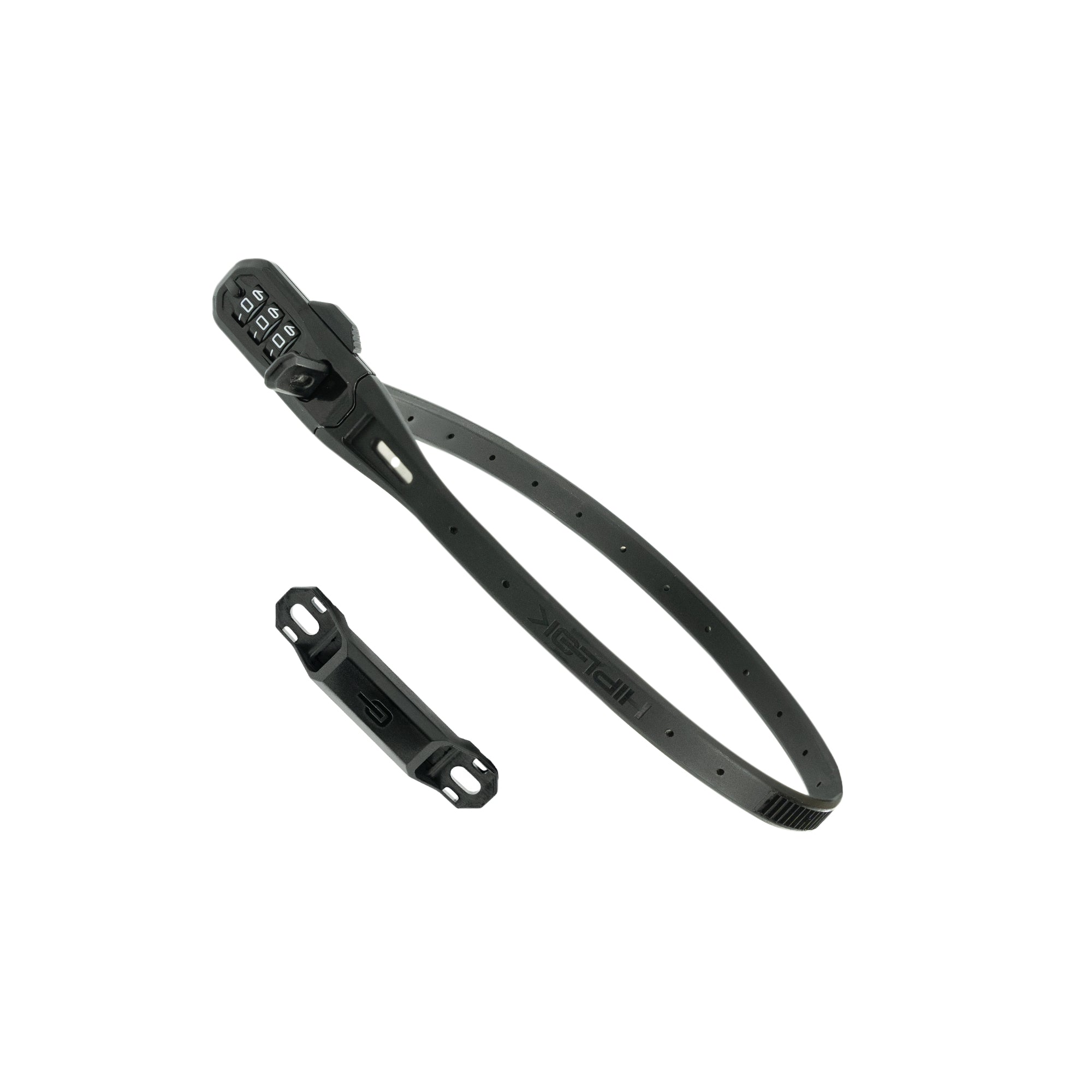
A cable lock is a flexible steel cable, usually coated to protect your bike's frame, paired with a key or combination locking mechanism.
They're designed for convenience and quick use. That makes them a good option for:
- Short stops
- Low-risk areas
- Secondary security alongside a stronger lock
What they're not designed for is resisting sustained attacks. That's important to keep in mind as you use one.

How to Lock Your Bike with a Cable Lock (Step-by-Step)
Using a cable lock properly is about more than just looping it through your frame. The goal is to reduce what a thief can do quickly and quietly.
1. Choose a Secure Anchor Point
Start by locking your bike to something fixed and immovable.
Look for:
- Purpose-built bike racks
- Thick metal railings
- Ground-anchored structures
Avoid anything that can be lifted, unscrewed, or cut easily.
2. Thread the Cable Through the Frame First
Your frame is the most valuable and hardest-to-replace part of your bike.
Always pass the cable through the main triangle of the frame before anything else. If the frame isn't secured, the rest doesn't matter.
3. Include Wheels and Components Where Possible
One of the advantages of a cable lock is its flexibility.
Use that to your advantage by looping through:
- Both wheels (if cable length allows)
- The saddle rails
This helps prevent quick part theft, which is common in urban areas.
4. Keep the Cable Tight and Elevated
Try to remove as much slack as possible.
A loose cable resting on the ground gives a thief more room to work and makes cutting easier. Keeping it tight and slightly off the ground increases the effort required.
5. Position the Lock Away from the Ground
If your lock body sits on the ground, it can be attacked more easily with tools.
Keep it elevated where possible.
Best Practices for Using a Cable Lock
Getting the basics right is important, but a few small habits can make a noticeable difference day to day.
- Lock in visible areas: High foot traffic increases deterrence
- Keep stops short: Cable locks are best for quick errands
- Use as a secondary lock: Pair with a D lock or chain lock for higher-risk areas
- Lock the same way every time: Consistency reduces mistakes when you're in a rush
For a broader look at safer parking habits, see Securing Your Bike in Public.

Common Mistakes to Avoid
A lot of cable lock failures come down to how they're used rather than the lock itself.
- Locking only a wheel and not the frame
- Leaving large loops of slack in the cable
- Attaching to weak or removable objects
- Using a cable lock overnight in public areas
Each of these makes a thief's job quicker, which is exactly what you want to avoid.
The Limitations of Cable Locks
Cable locks are built for convenience, not maximum resistance.
They can be cut relatively quickly with the right tools. That doesn't make them useless, but it does mean they're best suited to specific situations.
Use a cable lock when:
- You're stopping briefly (coffee shops, shops, quick errands)
- You're in a lower-risk location
- You're adding it as a secondary layer of security
Avoid relying on a cable lock when:
- Leaving your bike for long periods
- Parking overnight on the street
- Locking in high-theft urban areas
If you're unsure where the line is, our guide to Cable vs Chain vs D Lock: When a Bike Cable Lock Is Enough helps break it down.
Cable Lock vs Other Bike Locks
Different locks are designed for different levels of risk and convenience.
| Lock Type | Security Level | Portability | Best Use |
|---|---|---|---|
| Cable Lock | Low | High | Short stops, low-risk areas |
| D Lock | High | Medium | Daily commuting, urban locking |
| Chain Lock | High | Low–Medium | Longer stops, higher-risk areas |
Cable locks are often part of a wider setup rather than the only line of defence.
If you're looking at options, you can explore our range of cable bike locks.
When to Combine a Cable Lock with Another Lock
In real-world riding, many people use more than one lock.
A common setup is:
- D lock securing the frame to a solid object
- Cable lock looping through wheels or accessories
This adds complexity for a thief and increases the time required to steal the bike. That extra time is often enough to make them move on.
Final Thoughts
A cable lock can be a useful part of your bike security setup if you use it with the right expectations.
It's about quick, flexible security for the moments when you don't want to carry something heavier. Used well, it adds deterrence and helps protect key parts of your bike.
Used on its own in the wrong situation, it's easy to defeat.
Think about how and where you ride, how long you leave your bike, and what level of risk you're dealing with. From there, you can build a setup that actually matches your day-to-day riding.
Find the right cable lock for your bike
FAQs
What are the best practices for locking your bike with a cable lock?
Lock the frame to a fixed object, include wheels where possible, keep the cable tight, and choose visible locations with high foot traffic.
Are cable locks safe for urban areas?
They can work for short stops in lower-risk parts of a city, but for longer or higher-risk parking, a D lock or chain lock is a better choice.
Can you lock multiple bikes with a cable lock?
Yes, as long as the cable is long enough. Make sure each bike's frame is included and secured to a fixed object.
What should you look for in a cable lock?
Look for cable thickness, quality of the locking mechanism, and enough length to secure both frame and wheels comfortably.
Is a cable lock enough on its own?
For quick stops, it can be. For anything longer or higher risk, it's better used alongside a stronger primary lock.

Share:
Cable vs Chain vs D Lock: When Is a Cable Lock Enough?
Choosing the Right Lightweight Bike Lock for Travel and Bikepacking