

If you ride regularly, your bike becomes part of your day without you really thinking about it. It's how you get to work, clear your head, or just enjoy being out on two wheels. Which is exactly why the idea of someone trying to take it — quickly, and often in plain sight — hits hard.
The reality is that bike theft has changed. It's faster, more deliberate, and often involves tools like angle grinders. That's where the Hiplok 1000 Series comes in — designed specifically to slow attackers down, create noise, and make your bike a far less attractive target.
What Is the Hiplok 1000 Series?

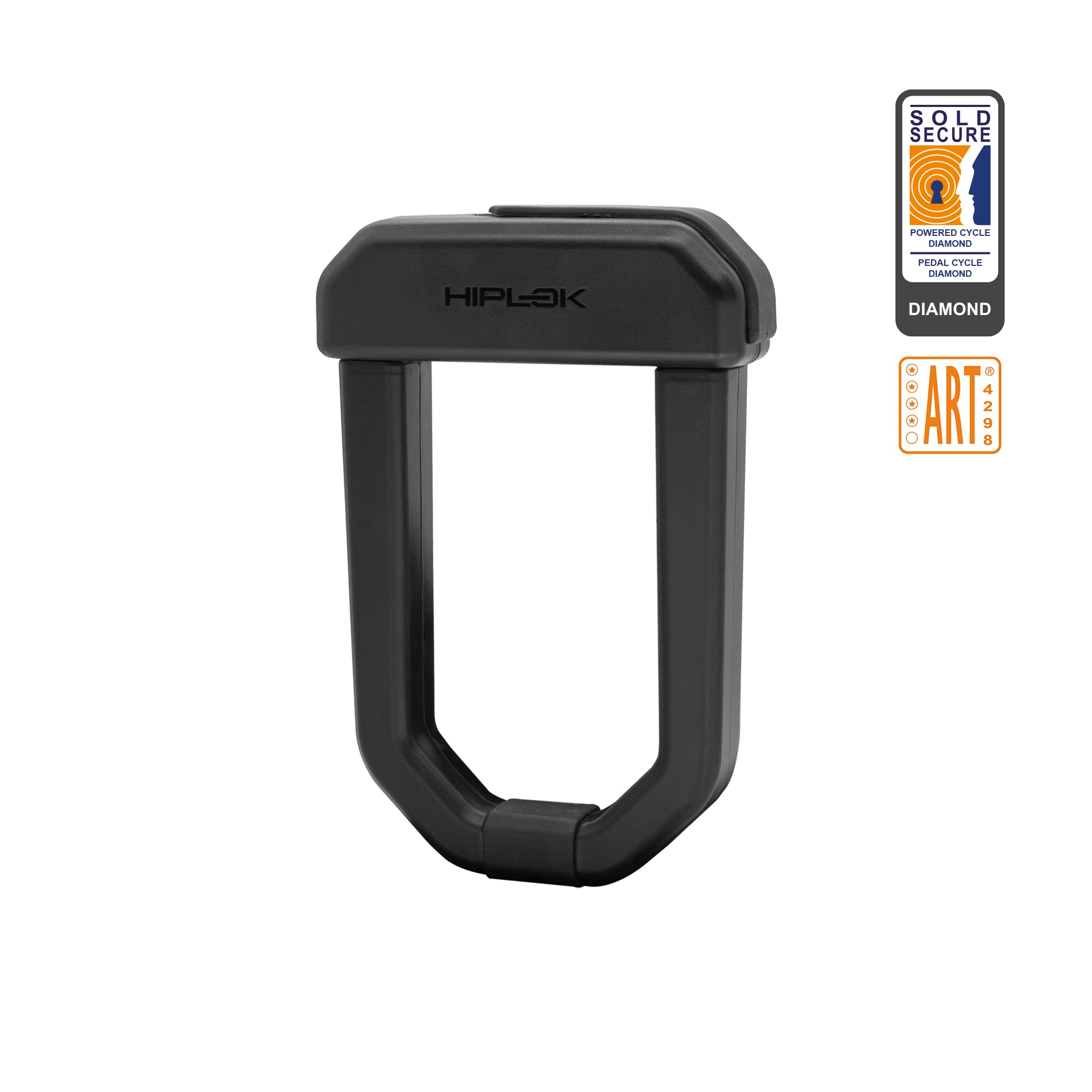
The Hiplok 1000 Series is a range of anti-angle grinder bike locks designed to significantly increase resistance time, wear down cutting tools, and deter real-world theft attempts.
Unlike traditional designs, these locks use advanced composite materials and engineered construction to increase resistance time against power tools — especially angle grinders.
If you're looking for a proven anti angle grinder bike lock, this is where the 1000 Series stands apart.
Why Real Theft Attempts Matter
It's easy to claim a lock is strong. What matters more is how it behaves when someone actually tries to cut it.
Real theft attempts tell us three important things:
- How long a lock resists a sustained attack
- Whether a thief gives up or continues
- What kind of damage the lock absorbs while still protecting the bike
This is where the 1000 Series has built its reputation — not in theory, but in real-world outcomes.
If you want to see more documented examples, you can explore our theft attempt reports, where riders share exactly what happened and how their locks held up.
Real Theft Attempts Thwarted by the 1000 Series
Across multiple reported incidents, a consistent pattern emerges, and importantly, these aren't hypothetical scenarios. They're real stories from riders whose bikes were targeted and left behind. Here are just some examples:
Angle Grinder Attack: D1000 Holds Firm
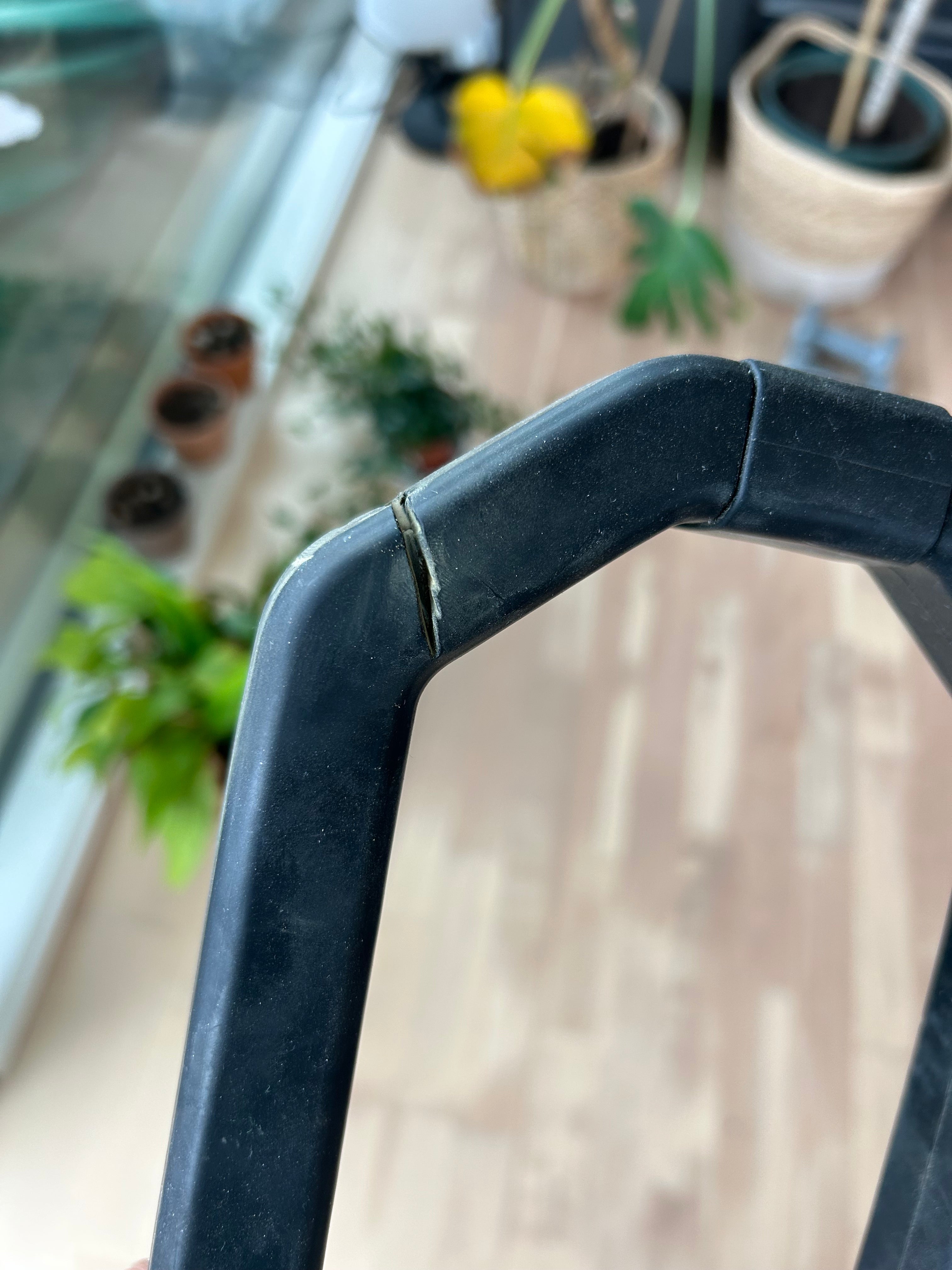
In one case, a rider's bike was targeted with an angle grinder in a real-world setting.
What happened:
- The attacker attempted to cut through the D1000
- The lock resisted sustained grinding
- The attempt was abandoned before the lock was breached
You can read the full story here: Hiplok D1000 lived up to its name during a recent theft attempt

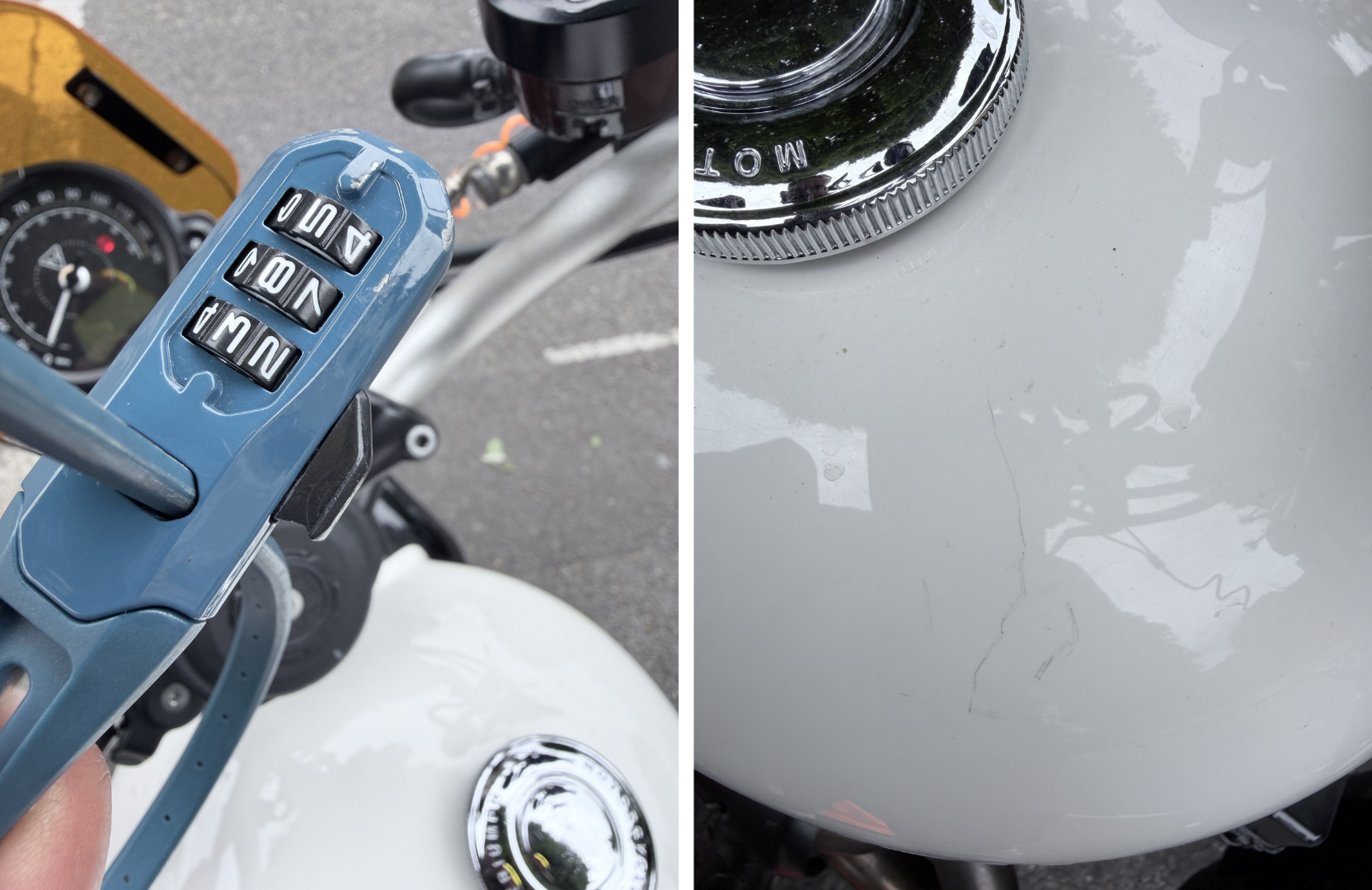
Motorcycle Targeted: DX1000 Stops the Theft
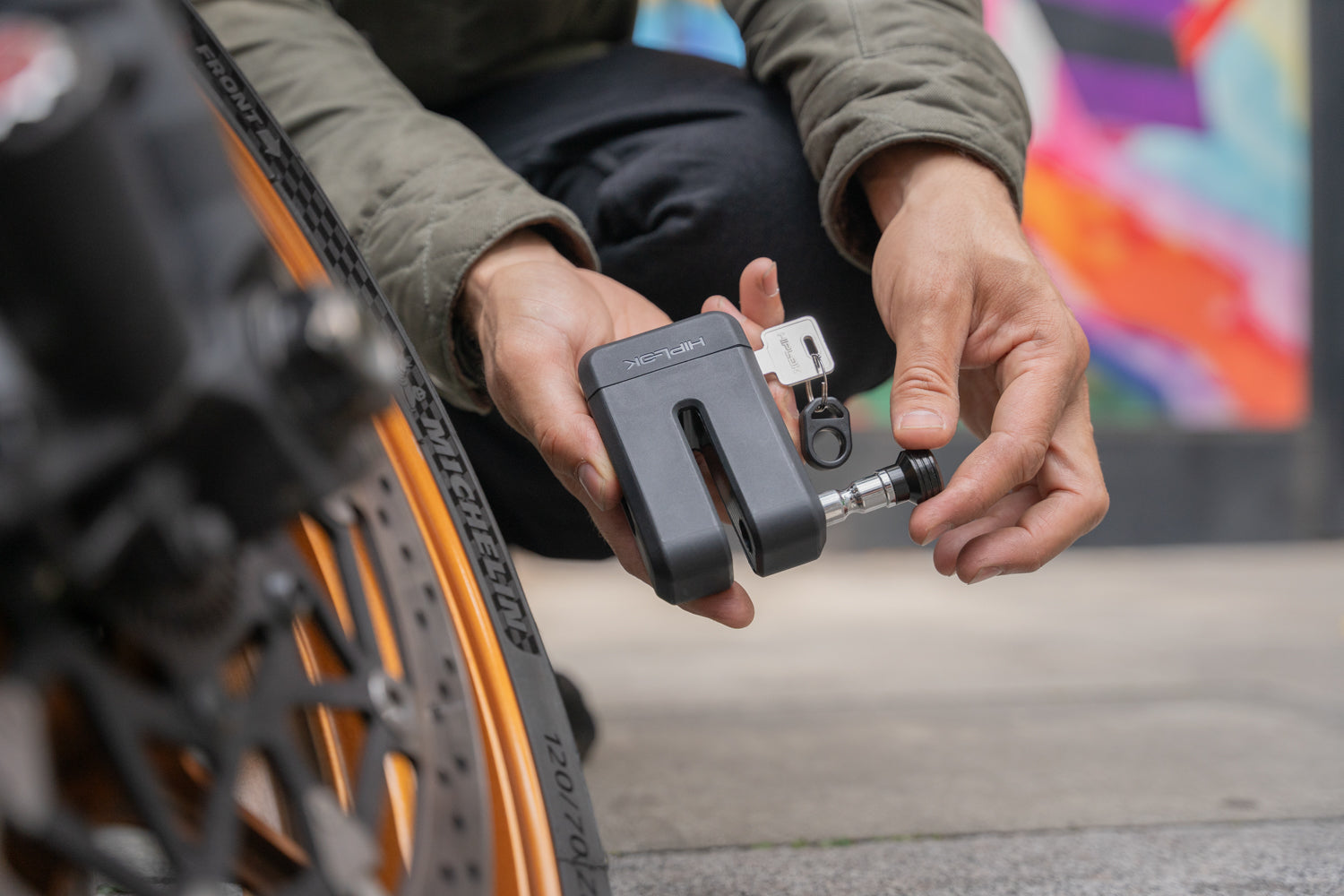
It's not just bicycles. The same approach applies to motorcycles secured with the 1000 Series.
In this example:
- A motorcycle was targeted using power tools
- The DX1000 resisted the attack
- The thief left without the bike
Full story: Hiplok DX1000 stopped a motorcycle theft attempt

Everyday Parking: "Hiplok Saves the Day"
Not every theft attempt happens overnight or in isolation. Many happen during normal daily use.
In this case:
- A locked bike showed clear signs of attack
- The lock had been targeted but not defeated
- The rider returned to find their bike still secure
Read more: Hiplok saves the day

Real Rider Story: Kirsty's Bike Saved
Stories like Kirsty's highlight what this means on a personal level.
- Her bike was targeted with cutting tools
- The D1000 prevented a successful theft
- The damage was to the lock, not the bike
Full story: Kirsty's bike saved by the Hiplok D1000
Repeat Outcome: Another Motorcycle Protected
Another motorcycle theft attempt followed a familiar pattern.
- Attackers attempted to defeat the lock
- The DX1000 held up under pressure
- The bike was left behind
See the example: Another motorcycle saved by DX1000

Across all of these examples, the outcome is consistent. The locks show damage, but the bikes are still there.
That's what real-world deterrence looks like. See more thwarted theft attempts here.
How the 1000 Series Stops Theft Attempts
The effectiveness of the 1000 Series comes down to how it interacts with real tools and real decisions.
1. Increased Resistance Time
Angle grinders rely on speed. The longer a cut takes, the more exposed the thief becomes. The 1000 Series is built to extend that cutting time significantly compared to standard locks.
2. Rapid Disc Wear
The materials used in the 1000 Series are designed to wear down cutting discs quickly. That means:
- More disc changes
- More time spent cutting
- More noise and visibility
3. Unpredictable Cutting Behaviour
Unlike uniform steel, the composite construction can disrupt cutting progress. This makes it harder for a thief to maintain a clean, fast cut.
4. Real-World Deterrence
Most theft attempts aren't about brute force alone. They're about risk. When a lock takes longer, makes more noise, and visibly resists attack, thieves often move on.
How It Compares to Standard Locks
Here's where the difference becomes clear.
| Feature | Standard Lock | 1000 Series |
|---|---|---|
| Angle grinder resistance | Low | High (extended resistance time) |
| Time to cut | Seconds | Minutes |
| Disc wear | Minimal | High |
| Deterrence | Limited | Strong |
No lock is theft-proof. But the gap in resistance time can be the difference between an attempted theft and a successful one.
Designed Around Real Theft Methods
We design our locks around how bikes are actually stolen. That means focusing on:
- Quick attacks with portable tools
- High-risk urban parking
- Thieves who want to be in and out fast
The 1000 Series isn't about making something impossible to cut. It's about making it impractical.
Getting the Most Out of the 1000 Series
Even the best lock works better with the right setup. To maximise effectiveness:
- Lock to a solid, immovable object
- Keep the lock off the ground where possible
- Secure the frame, not just the wheel (for bicycles)
- Combine with a second lock for higher-risk areas
These small choices increase the time and effort required even further.

Why Riders Choose the 1000 Series
For many riders, it comes down to confidence. Knowing that if someone does try, your lock is designed to make that attempt as difficult, slow, and visible as possible.
When you've put time into choosing your bike, dialling in the setup, and relying on it day to day, that kind of protection matters.
Conclusion
Real theft attempts tell the story better than any spec sheet.
The Hiplok 1000 Series has consistently shown that when faced with the most common modern attack — the angle grinder — it can slow, resist, and often stop theft altogether.
If you're thinking about upgrading your security, it's worth choosing something that's already proven itself where it counts.
Explore the Hiplok 1000 Series and find the right lock for your bike.
FAQs
What are some real-life theft attempts stopped by the 1000 Series?
Reports include angle grinder attacks in public spaces, overnight attempts, and repeated targeting — all resulting in damaged locks but bikes left untouched.
How does the 1000 Series perform against angle grinder attacks?
It increases resistance time, wears down cutting discs, and makes cutting slower and more difficult, often leading thieves to abandon the attempt.
What makes the 1000 Series different from standard locks?
It uses advanced composite materials and is specifically designed to resist angle grinder attacks, unlike standard steel-only locks.
Can the 1000 Series prevent all theft?
No lock is theft-proof. The goal is to increase resistance time and deterrence so your bike is far less likely to be targeted successfully.
How can I maximise the effectiveness of the 1000 Series?
Use it with good locking technique. Secure the frame (bicycles), lock to solid objects, and consider combining it with another lock for added protection.



Share: