

If you ride regularly, you'll know the feeling. You've picked your bike carefully, dialled in the fit, maybe swapped a few parts, and it becomes part of your everyday routine. So even a quick stop for coffee or a short errand can leave you thinking twice about how you leave it.
That's exactly where bike cable locks come in.
They're not built for all-day city centre parking. But for low-risk stops, such as café visits, car racks, quick shop runs, the right cable lock gives you just enough security without slowing you down.
When a Bike Cable Lock Makes Sense
Cable locks are all about convenience and speed.
They work best when:
- You're stopping for a short time
- The area is visible or relatively low risk
- You want something lightweight and easy to carry
- You're securing accessories, wheels, or multiple bikes together
In these situations, a heavy chain or D lock can feel like overkill. A cable lock lets you secure your bike quickly and get on with your day.
That said, it's important to be clear about limits. Cable locks are designed as a deterrent for opportunistic theft, not sustained attacks.
Top Bike Cable Locks for Low-Risk Stops
Here are some of the most practical options when convenience matters most.
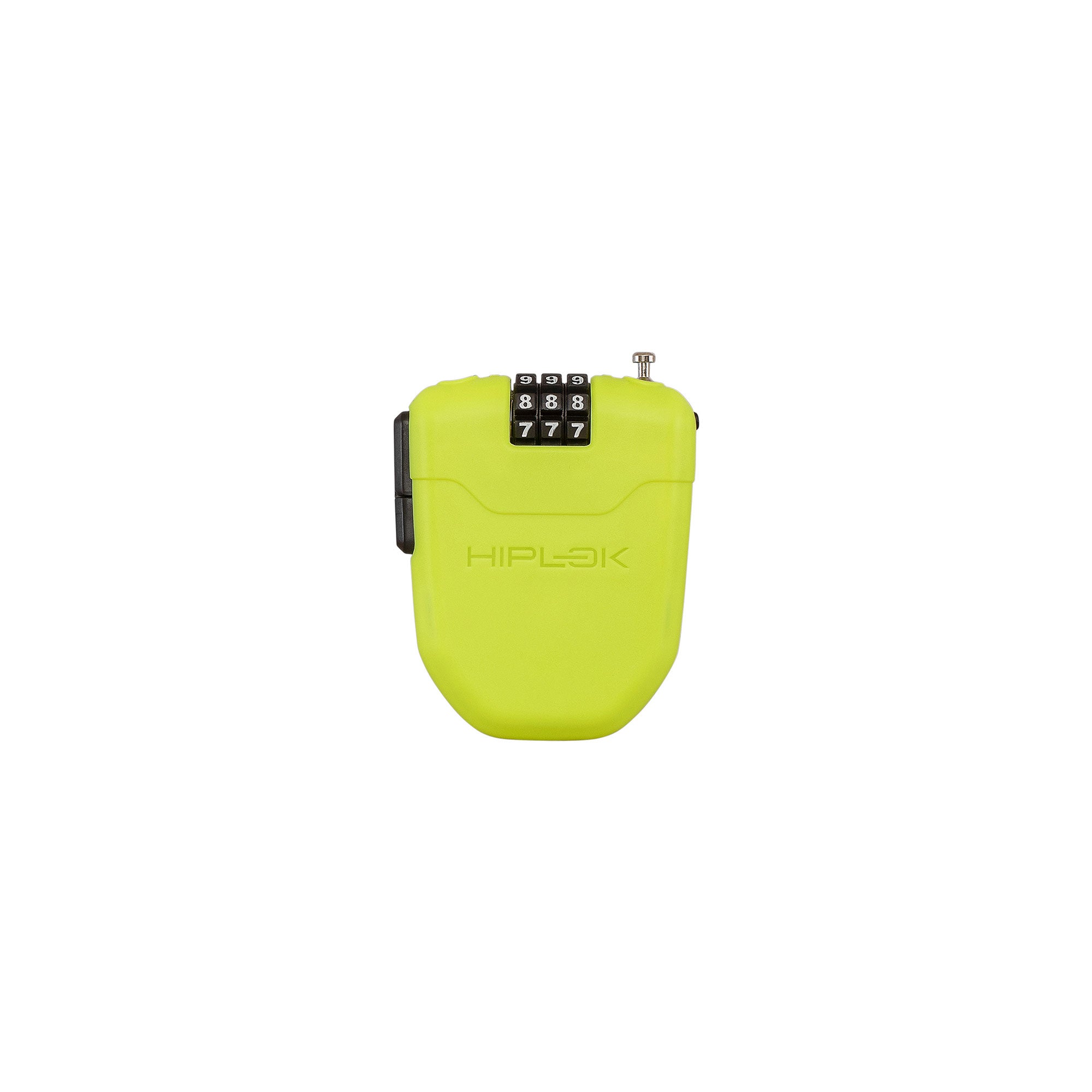
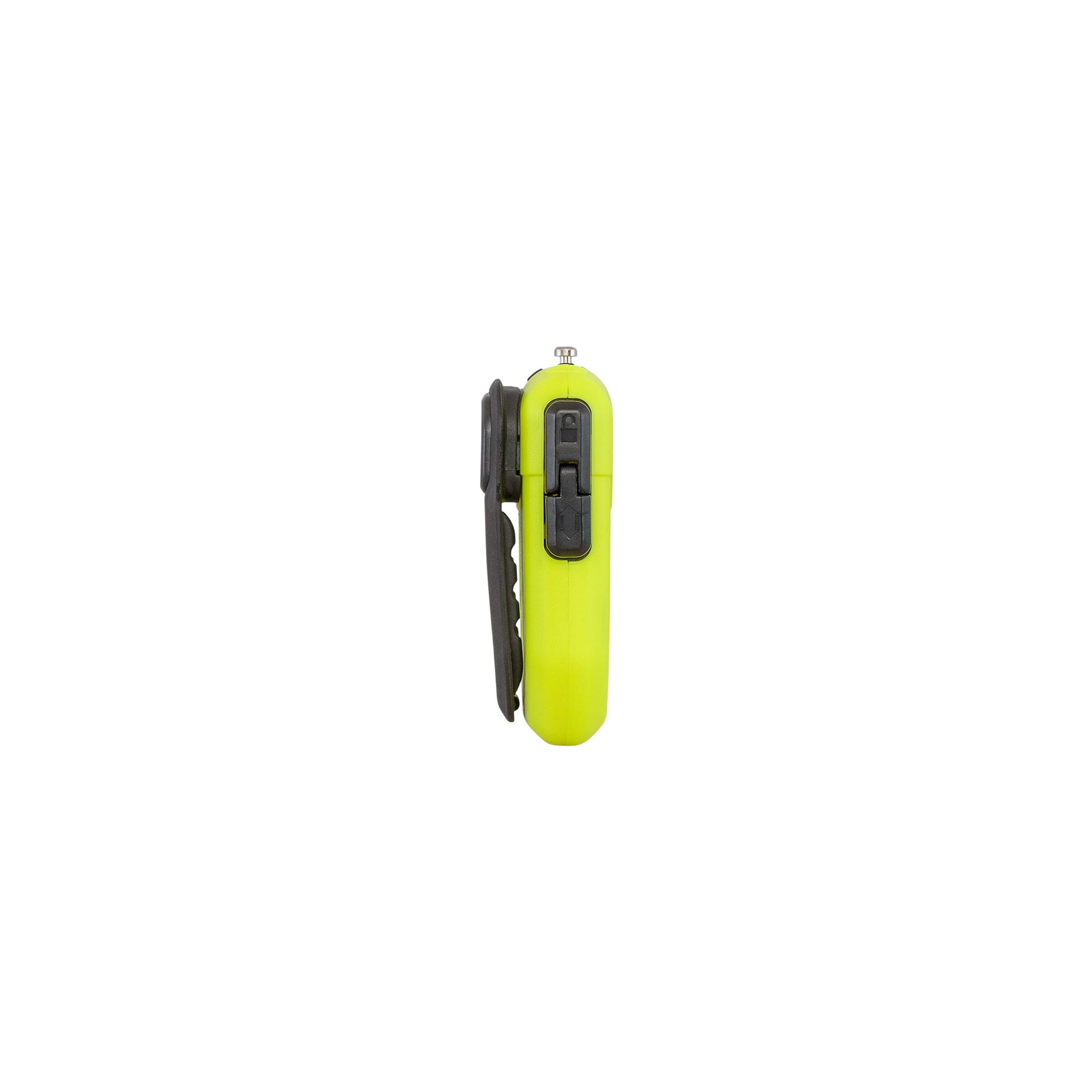
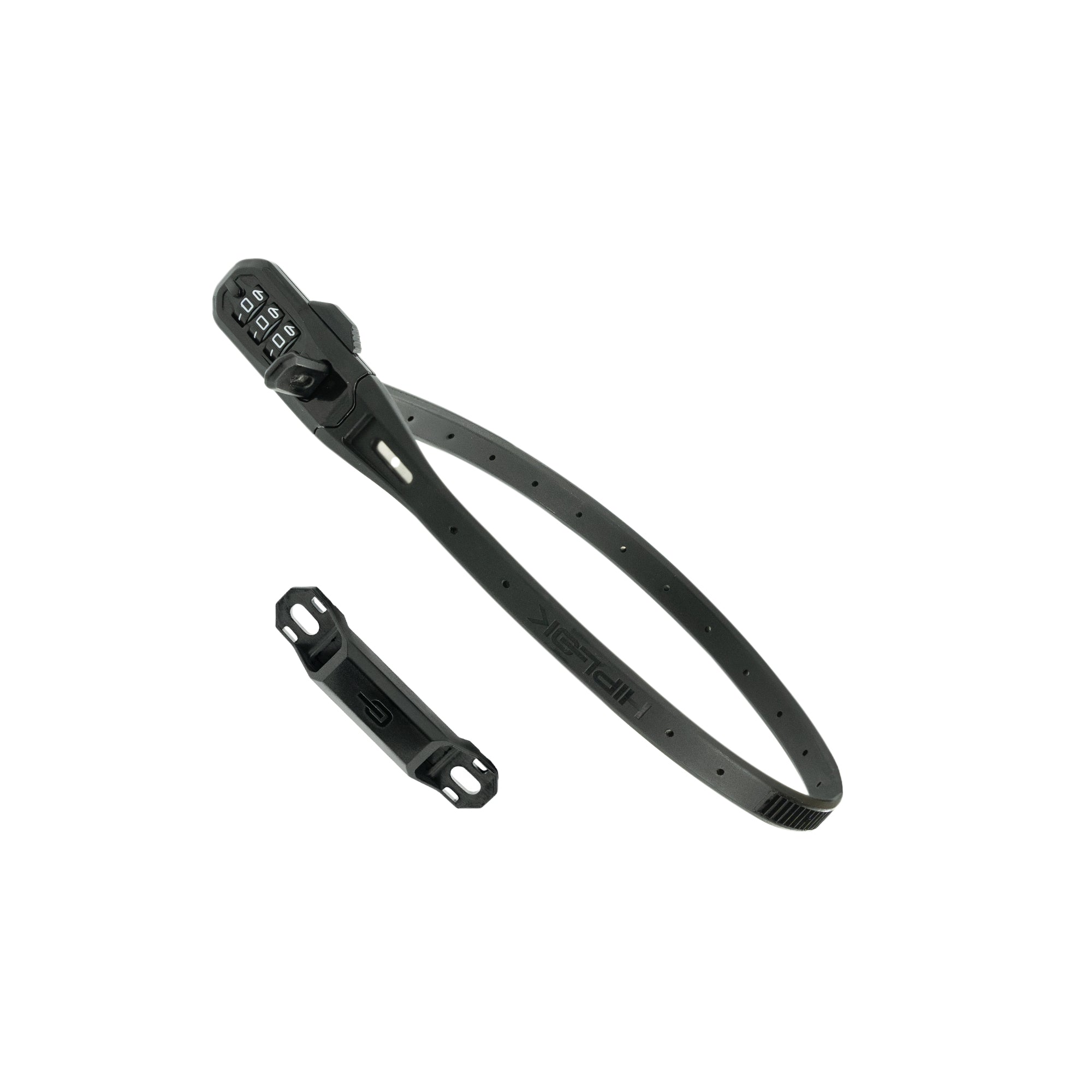
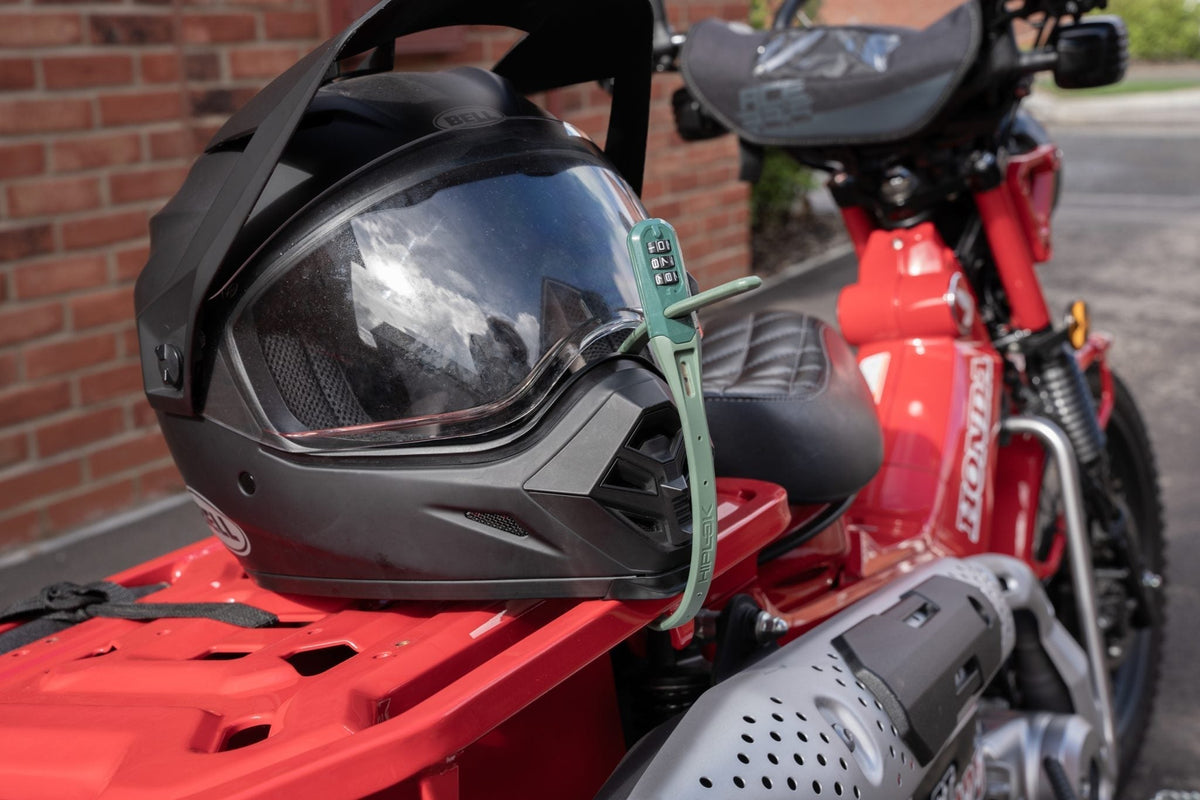
Hiplok FX
A simple, practical cable lock designed for everyday low-risk stops.
- Lightweight and easy to carry
- Flexible design for securing frame and components
- Ideal for café stops, errands, and quick parking
This is a straightforward option when you want dependable, no-fuss security that fits easily into your routine.

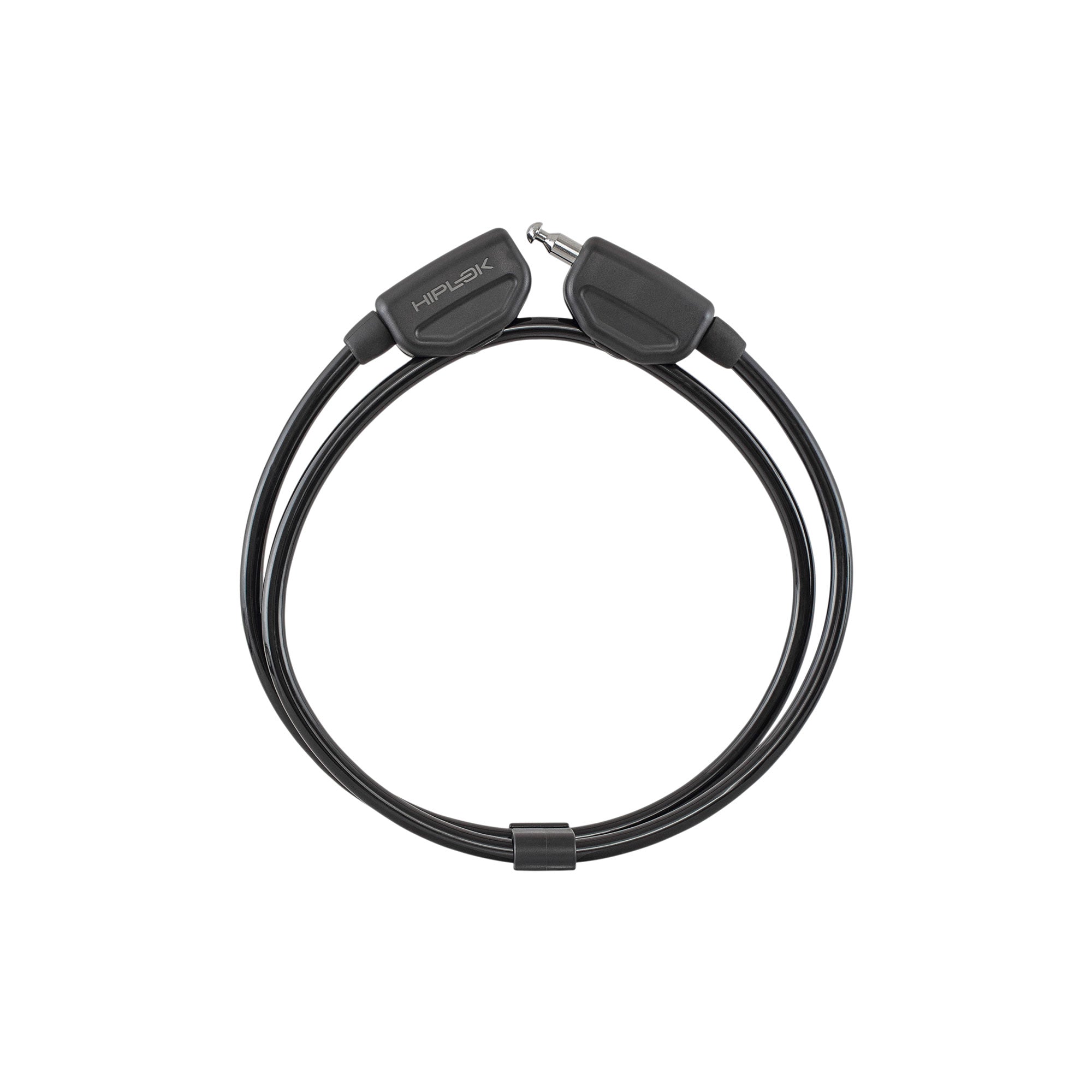
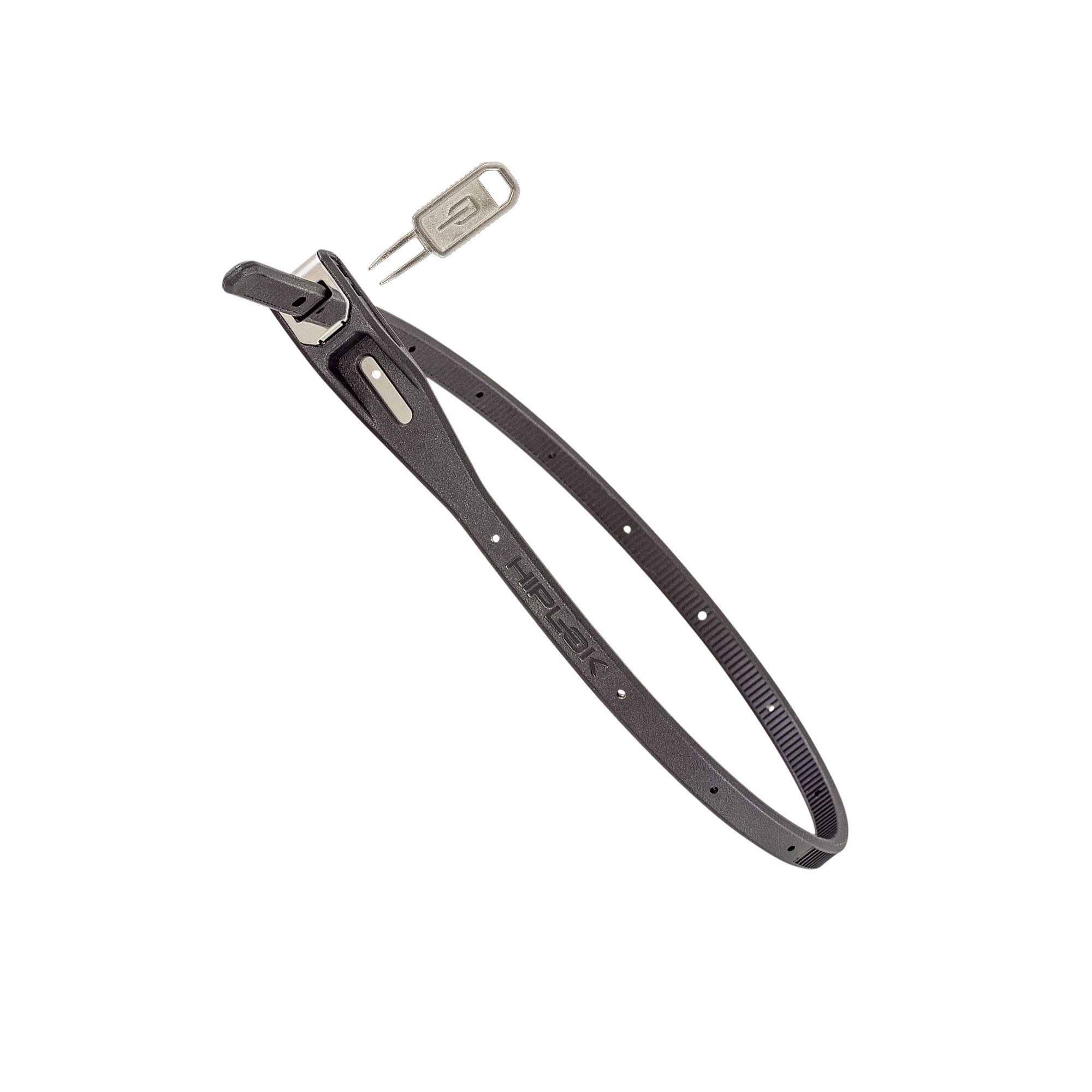
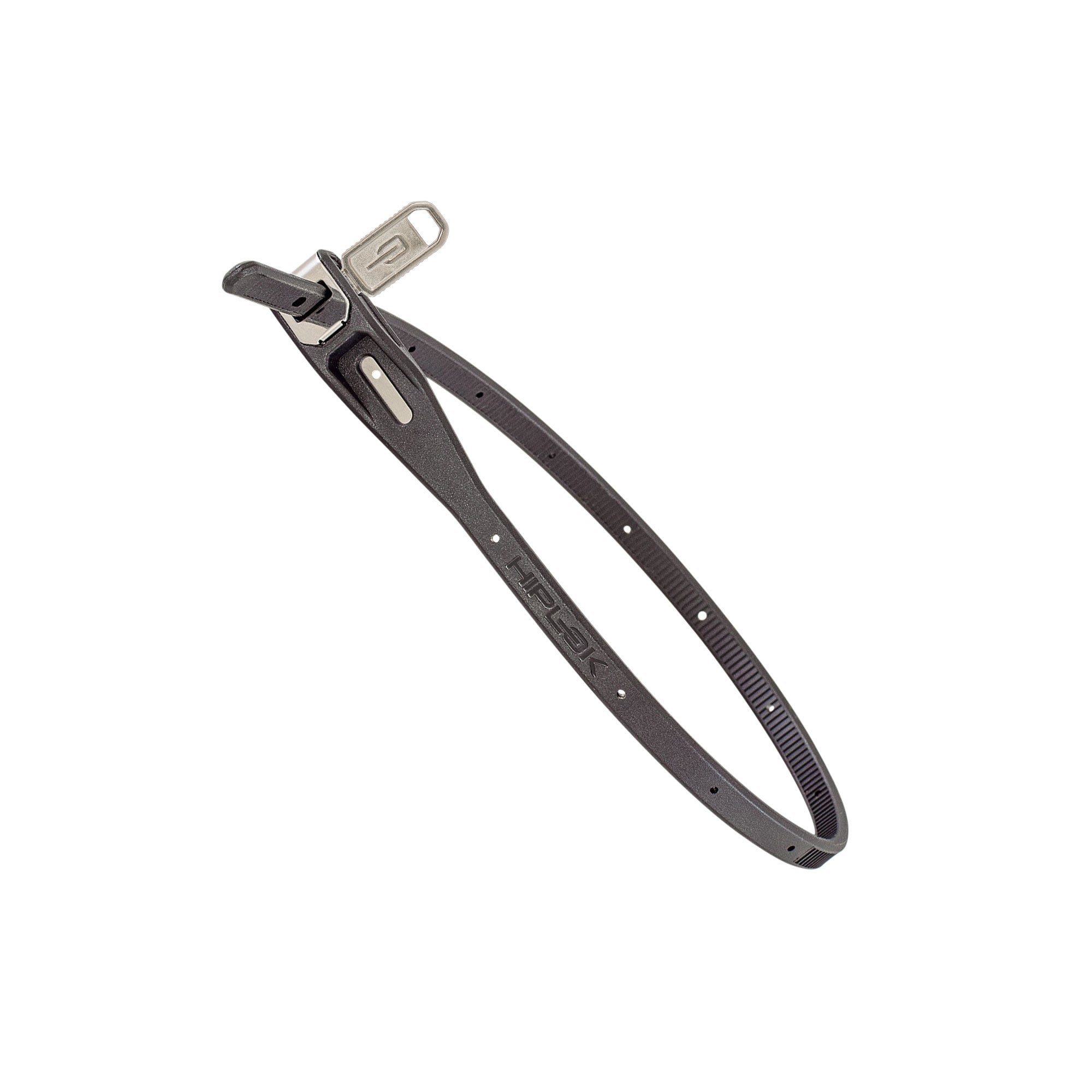
Hiplok POP
A slightly more robust option, offering added strength while staying portable.
- Thicker cable for increased cut resistance
- Steel cable construction for flexible locking
- Suited to slightly longer stops or busier environments
It's a good step up if you want more reassurance, without moving to a heavier D lock or chain.

Quick Comparison: POP vs FX
If you're choosing between the two, this gives you a clear side-by-side view.
| Feature | Hiplok POP | Hiplok FX |
|---|---|---|
| Lock Type | Keyed (3 x replaceable keys) | Resettable combination |
| Locking Length | 130cm | 100cm |
| Cable Design | Fixed cable | Retractable cable |
| Portability | Worn around the waist when riding | Clips to pockets or bag straps |
| Carry Style | Wearable (waist, unlocked) | Wearable (clip to bag or pocket) |
Cable Locks vs D Locks and Chain Locks
It's a fair question — why choose a cable lock at all?
The answer comes down to trade-offs.
Cable locks
- Lightweight and portable
- Flexible and easy to use
- Lower resistance to cutting tools
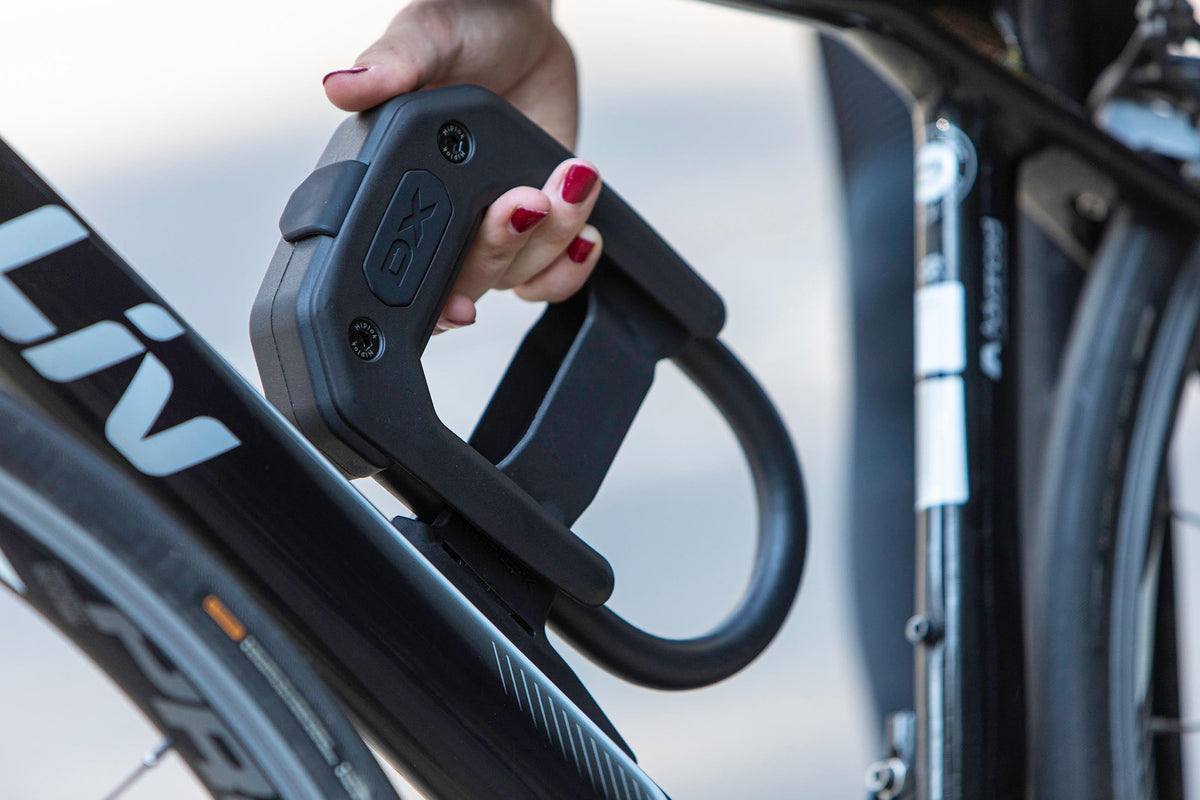
D locks
- Higher security and resistance
- Rigid shape limits flexibility
- Heavier to carry
Chain locks
- Strong and versatile
- Good for higher-risk parking
- Heavier and bulkier
For low-risk stops, cable locks hit a useful middle ground. They're quick, convenient, and good enough when you're not leaving your bike for long.
Key Features to Look For in a Bike Cable Lock
Not all cable locks are the same. A few details make a big difference in real use.
Cable Thickness
Thicker cables take longer to cut. While no cable lock is immune, added thickness increases effort and acts as a stronger deterrent.
Length and Flexibility
A longer cable gives you more locking options. This is especially useful for:
- Securing both wheels and frame
- Locking multiple bikes together
- Attaching to awkward or oversized fixtures
Locking Mechanism
You'll usually choose between:
- Keyed locks for simplicity
- Combination locks for key-free convenience
It often comes down to personal preference and how you use your bike day to day.
Portability
For commuting and short stops, weight matters. A cable lock should be easy to carry without thinking about it.
How to Use a Cable Lock Effectively
Even the best bike cable lock needs to be used properly to do its job.
For low-risk stops, focus on these basics:
- Always secure the frame, not just a wheel
- Lock to something fixed and difficult to move
- Avoid leaving your bike out longer than necessary
These small details make a noticeable difference in how effective your lock is.
Common Mistakes to Avoid
A lot of issues with cable locks come down to how they're used.
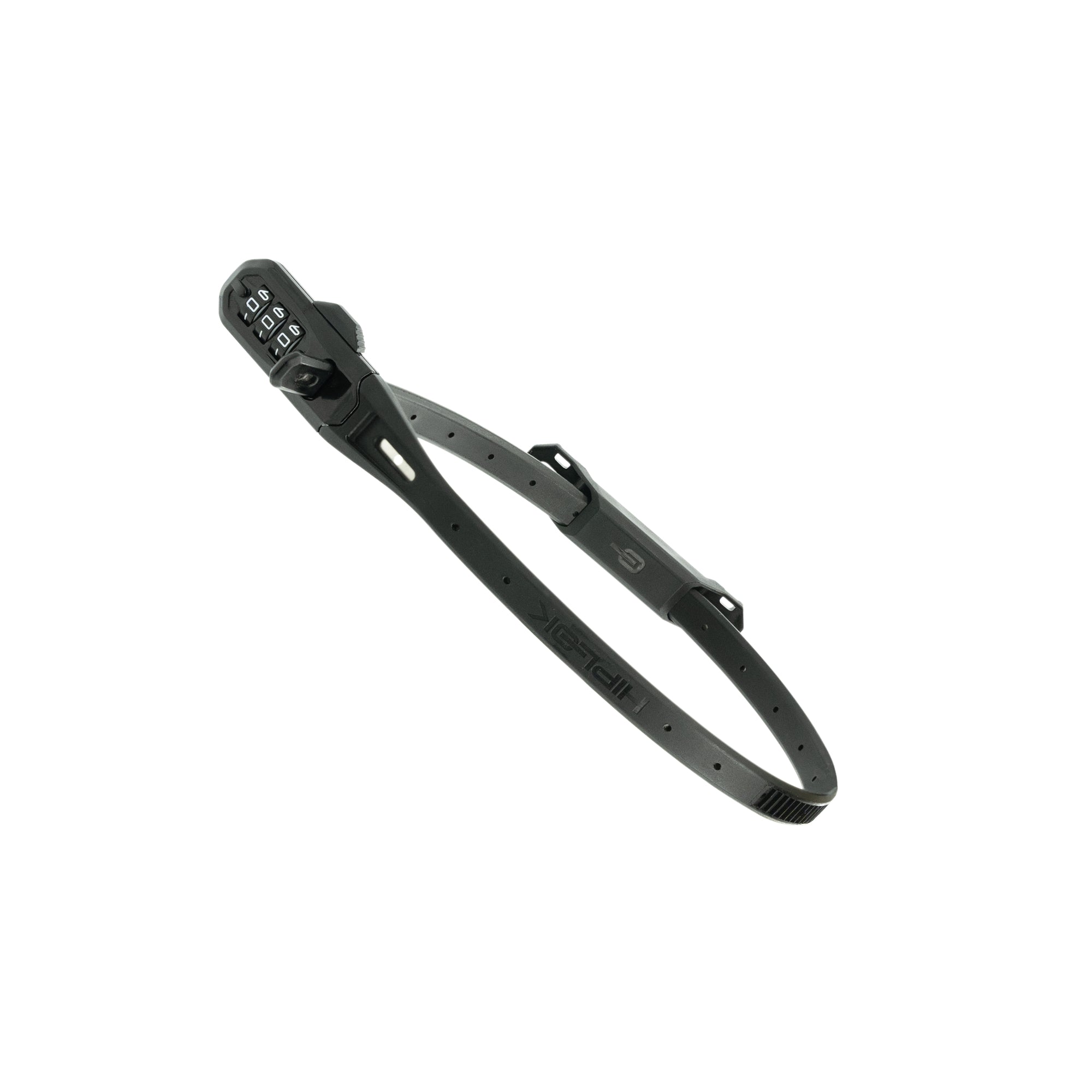
For a deeper dive, see our guide on Common Mistakes When Using a Bicycle Cable Lock.
Some of the most common ones include:
- Locking only a wheel instead of the frame
- Leaving too much slack in the cable
- Using a cable lock in high-risk areas
- Assuming all cable locks offer the same level of security
Cable locks work best when they're matched to the right situation.
Price and Value: What to Expect
Cable locks are generally one of the most affordable bike security solutions.
- Entry-level options: simple, lightweight, ideal for accessories
- Mid-range: better materials and locking mechanisms
- Premium: improved durability and design features
For low-risk stops, you don't need to overcomplicate things. The goal is reliable, convenient security you'll actually use every day.
Choosing the Right Cable Lock for You
If you're commuting, riding into town, or stopping regularly, the right lock is the one you'll carry without hesitation.
Think about:
- How long you typically leave your bike
- Where you usually stop
- Whether you need to secure accessories or multiple bikes
A cable lock isn't about maximum security. It's about making quick stops feel manageable without adding worry to your ride.
Conclusion
Cable locks have a clear role. They're built for the in-between moments — not full-day parking, but not completely unsecured either.
Used properly, they give you a simple, practical way to protect your bike during low-risk stops.
If that's how you ride, it's worth choosing one that fits your routine.
FAQs
What are the best bike cable locks for low-risk stops?
The best options are lightweight, flexible, and easy to use. Products like the Hiplok POP and FX are designed specifically for quick stops and everyday errands.
Are bike cable locks secure enough for café stops?
Yes, for short, low-risk stops, they act as a deterrent against opportunistic theft but aren't designed for high-risk or long-term parking.
How do cable locks compare to D locks?
Cable locks are lighter and more flexible, while D locks offer higher security. It depends on how long and where you're leaving your bike.
What length cable lock should I choose?
Longer cables offer more flexibility, especially for securing wheels and frames together. For most short stops, a medium-length cable works well.
Can I use a cable lock with another lock?
Yes. Many riders pair a cable lock with a D lock or chain to secure wheels or accessories alongside the main frame.

Share:
Folding Bike Locks: Pros, Cons and Who They're For
Cable vs Chain vs D Lock: When Is a Cable Lock Enough?