

When your bike is how you get to lectures, meet friends, make it across campus or get home at the end of the day, it quickly becomes more than something you own. You rely on it. You might have spent time choosing it, setting it up properly and making it yours.
That makes security important, but it doesn't mean every stop calls for the biggest lock you can carry.
A zip tie bike lock such as Hiplok Z LOK is designed for a specific job. It gives you lightweight, highly portable protection against opportunist theft when you're making a short stop or securing equipment. What it isn't designed to do is replace a high-security bike lock when your bike will be left unattended for hours.
Knowing that difference is the key to using one well.

What is a zip tie bike lock?
A zip tie bike lock takes the compact, adjustable shape of a reusable zip tie and adds security features designed to make it harder to remove casually.
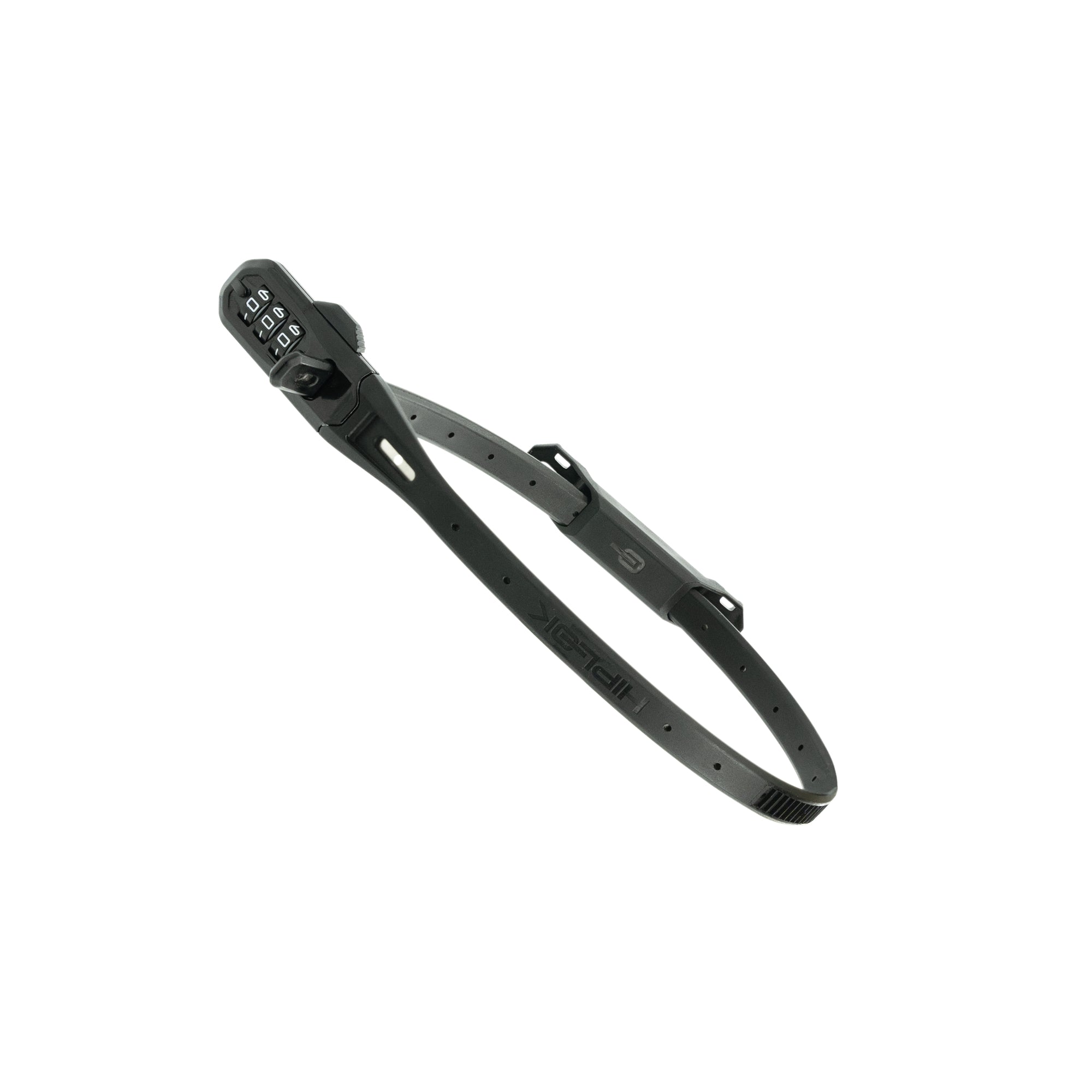
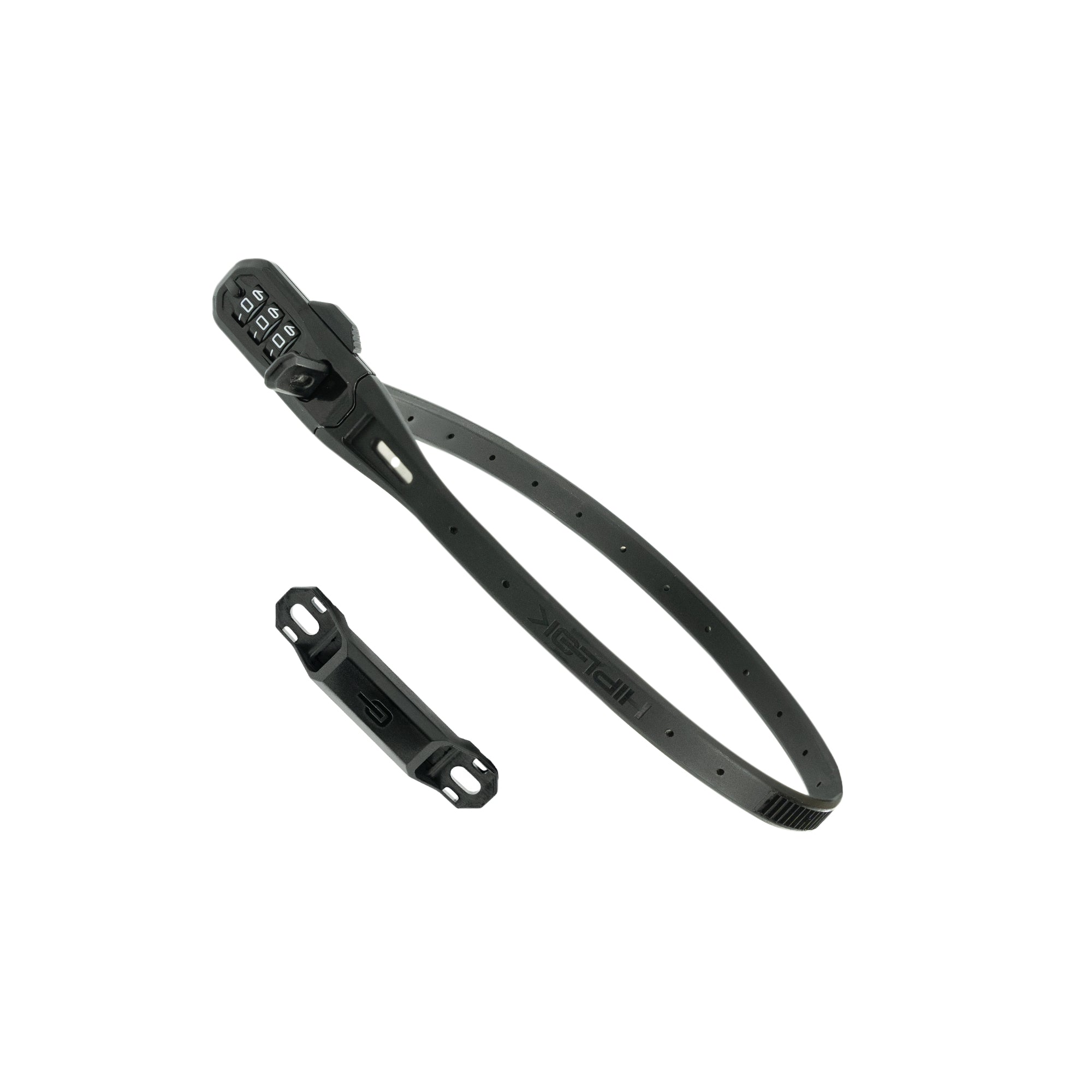
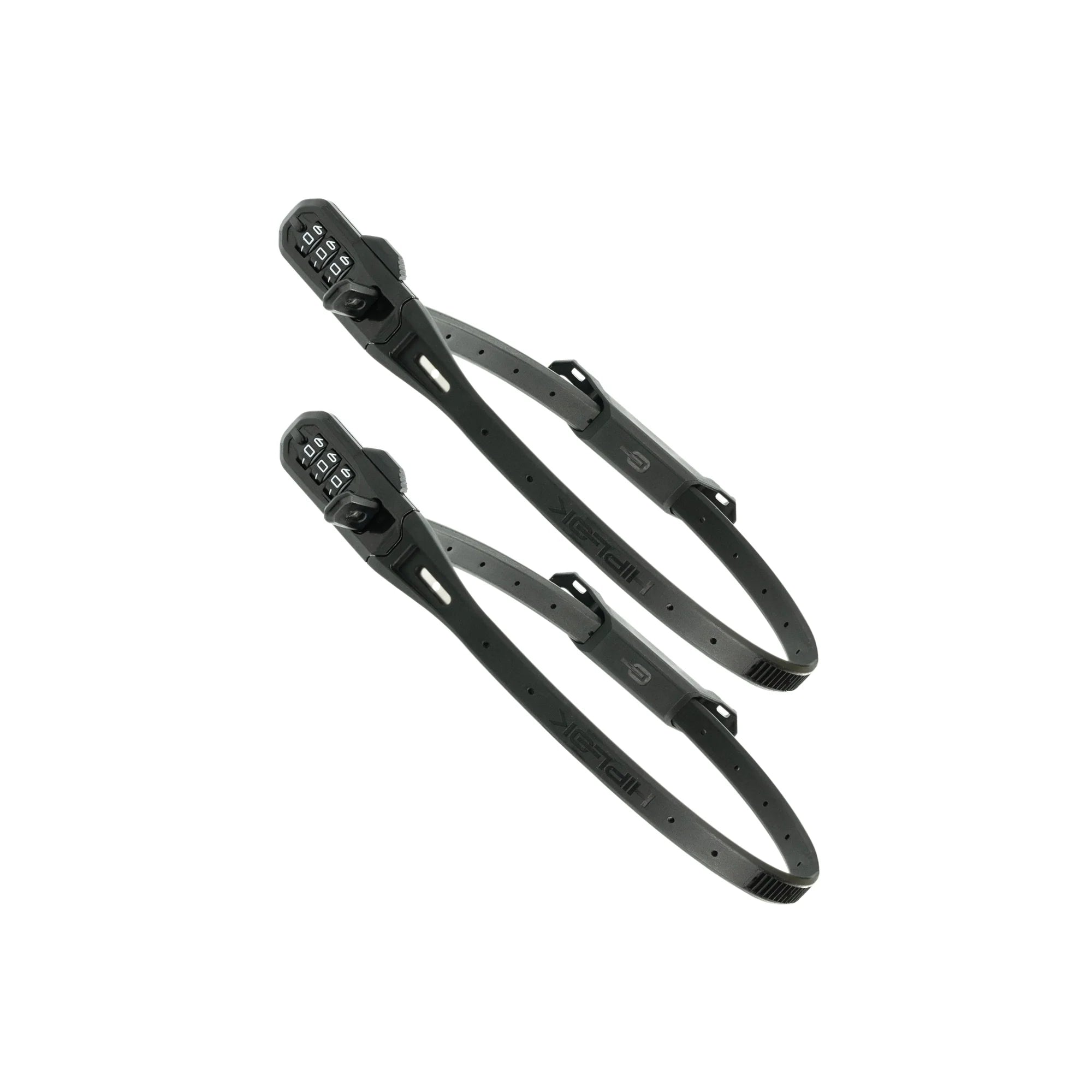
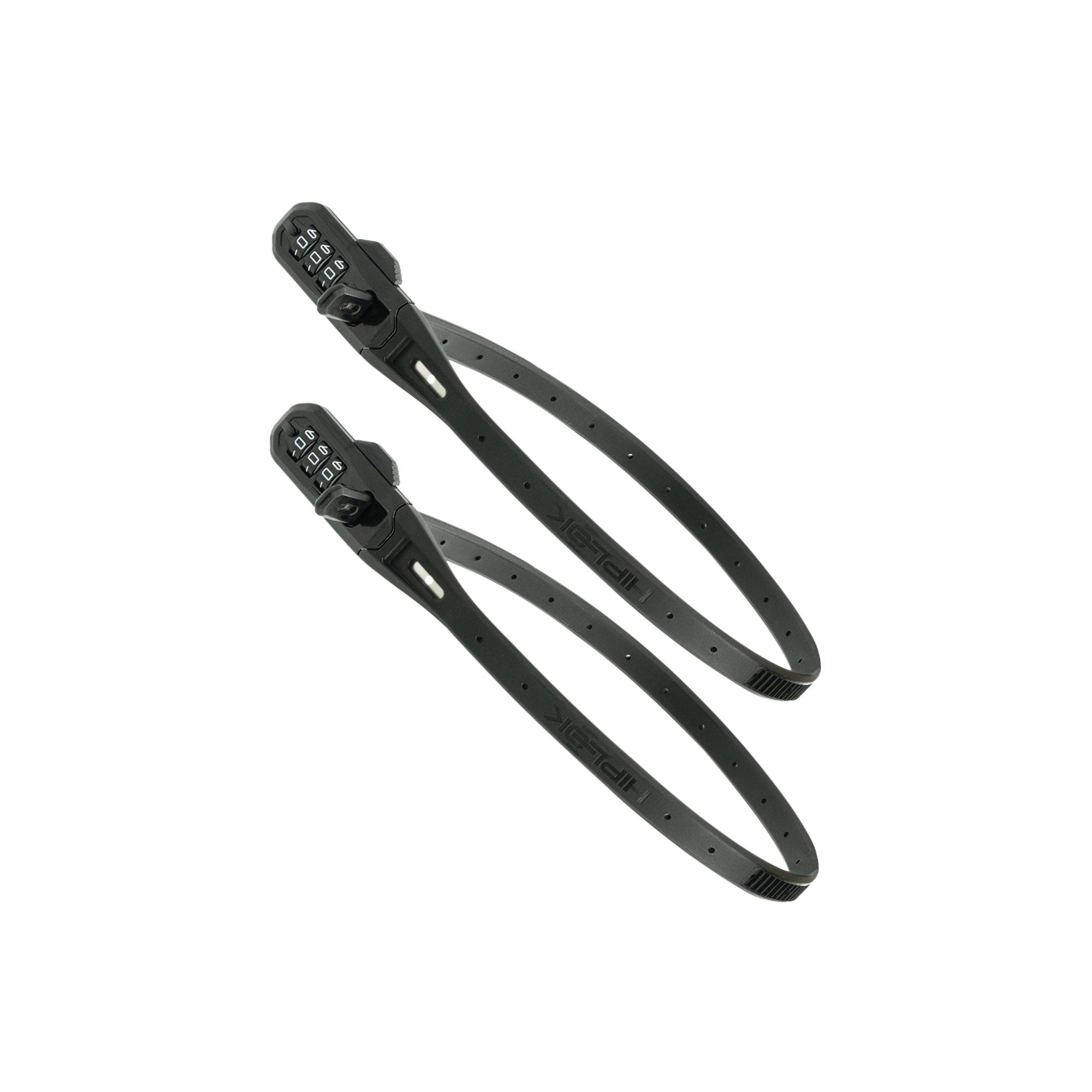
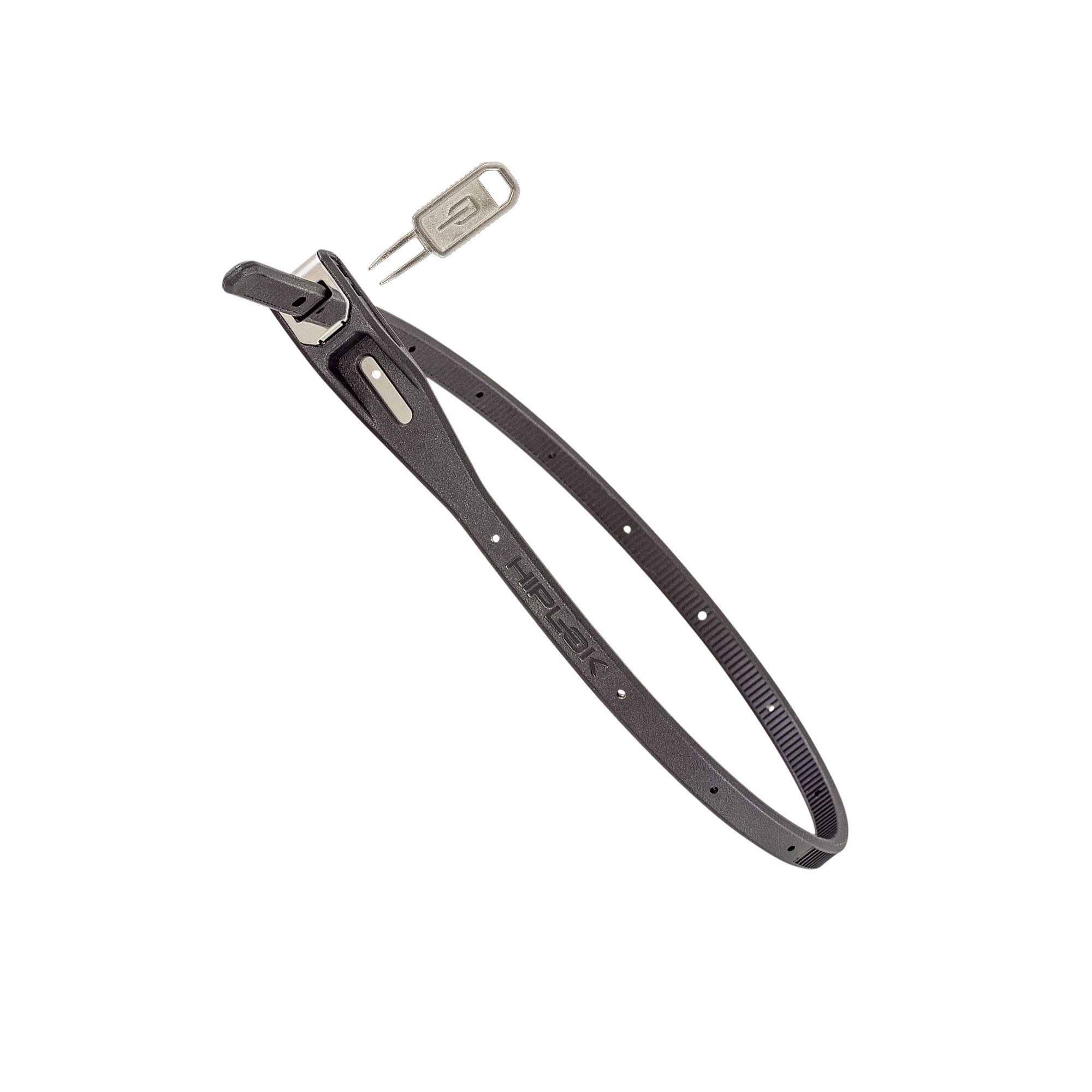
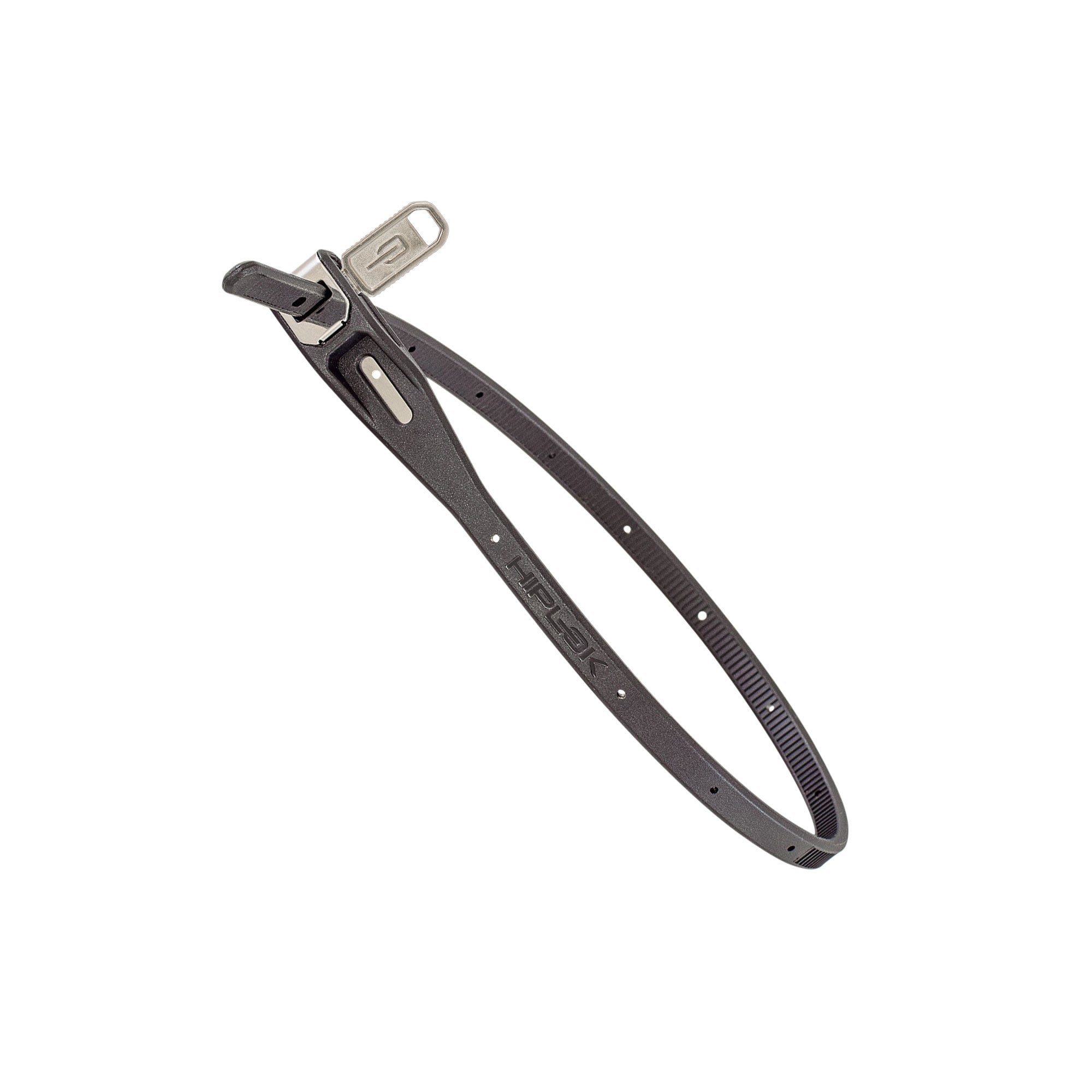
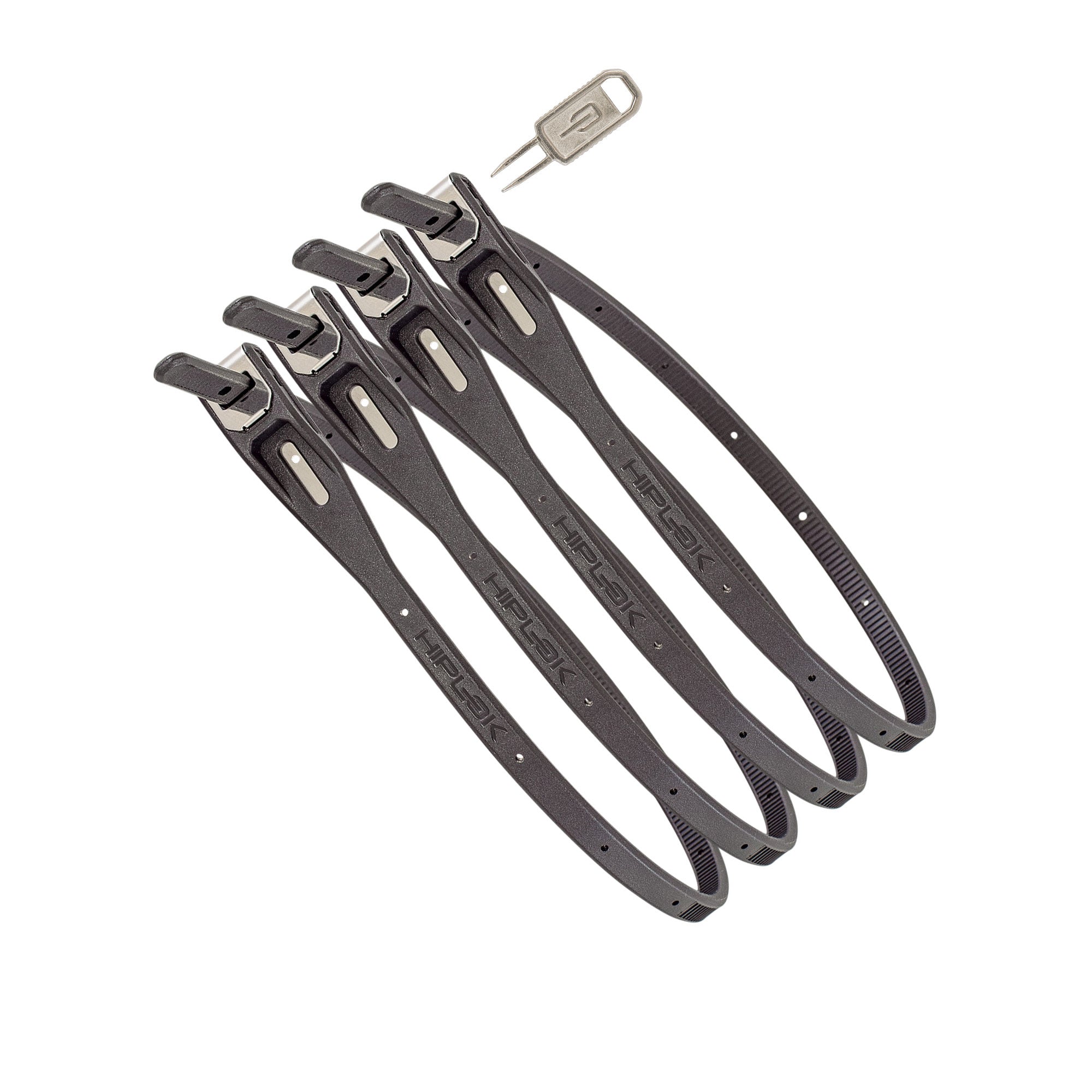
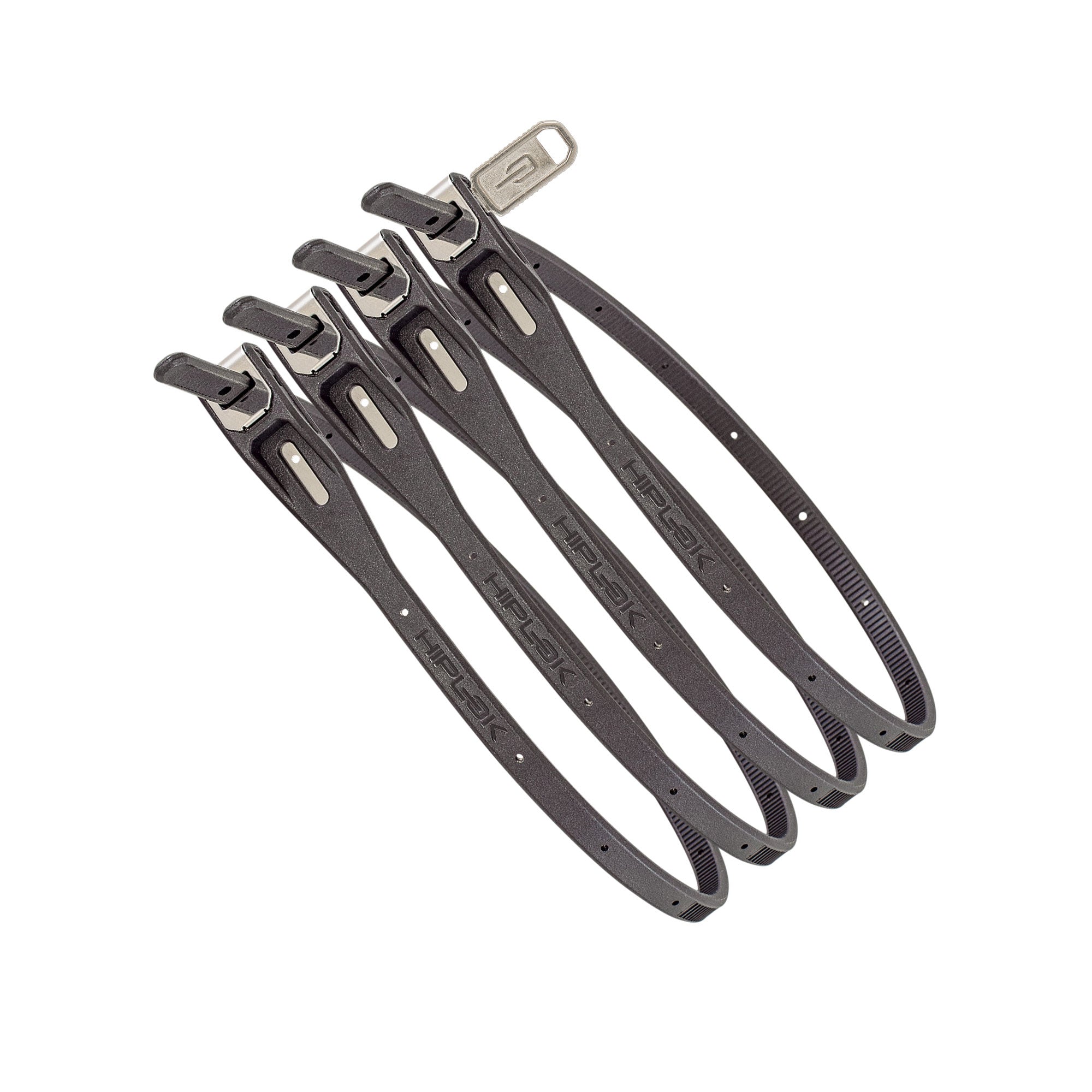
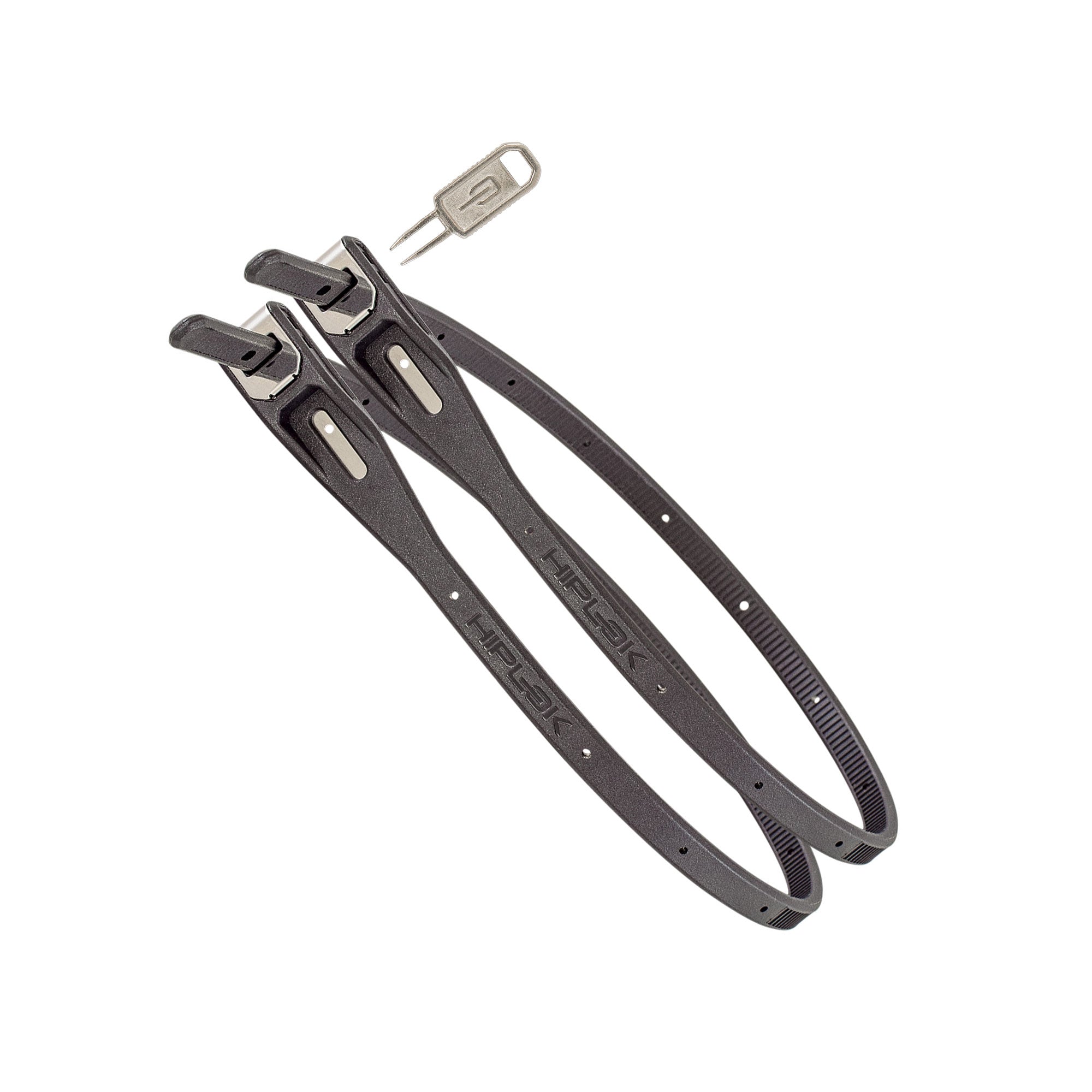
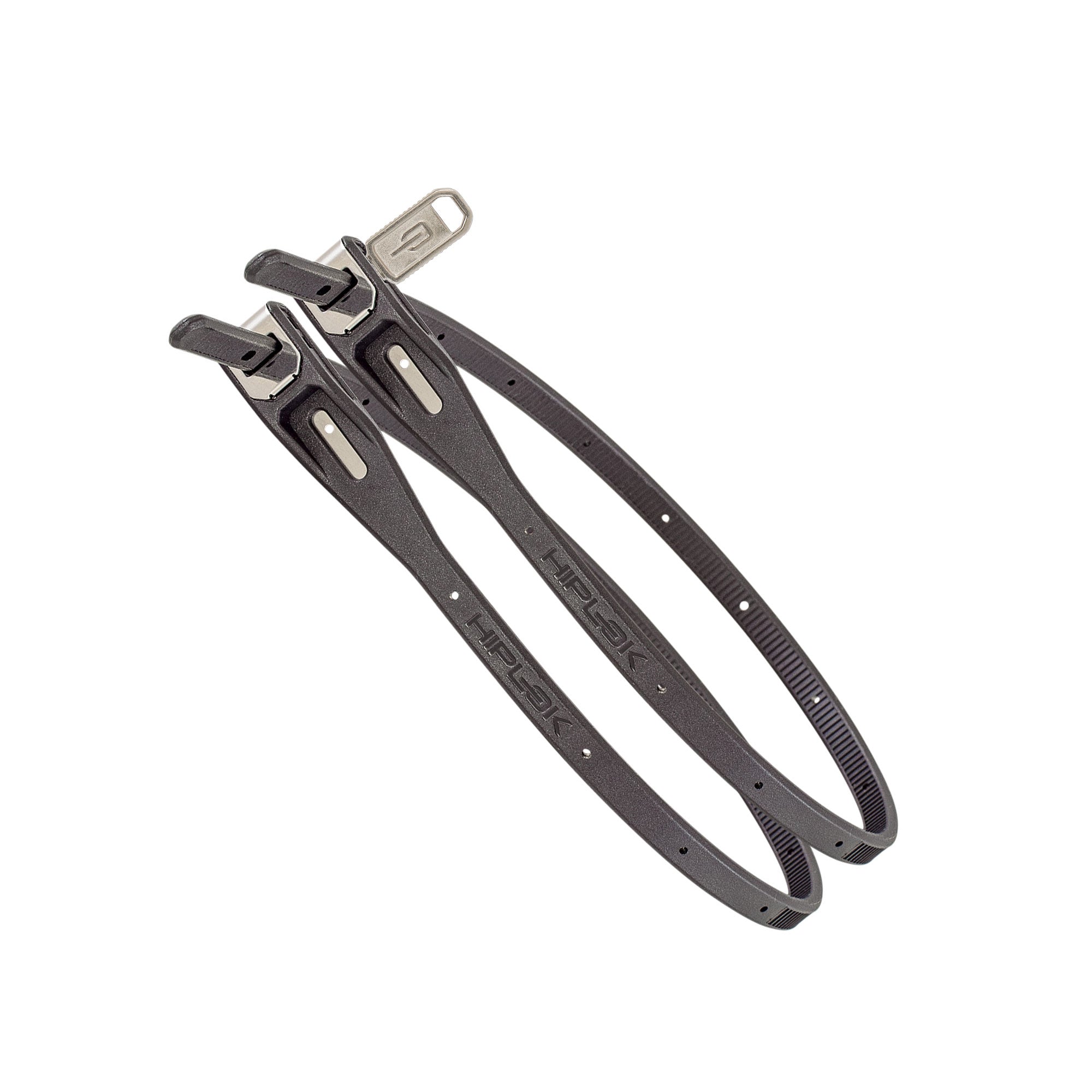
Our zip tie bike lock, Z LOK, uses a reinforced steel core inside a flexible locking tie. Its ratchet design lets you pull it tight around your bike, equipment or accessories, while its compact size means it can slip into a jersey pocket or bag without becoming another bulky bit of kit to carry.
Z LOK has a 400 mm locking length and weighs less than 20g. That makes it very different from any other lock in both the protection it offers and the situations it's intended for.
The simplest way to think about it is this:
-
A security tie is for quick, opportunist protection.
-
A higher-security lock is for situations where a thief has more time, privacy or incentive to attack your bike.
Neither is automatically the right choice for every ride.
Z LOKs also have plenty of uses beyond bike security. Their adjustable, reusable design makes them handy for securing luggage, kit and other everyday items. Here, though, we're focusing on where they fit into protecting your bike.
When is a zip tie bike lock enough?
Zip tie bicycle locks make most sense when convenience matters and the risk is relatively low.
Imagine you've ridden across campus and stop outside a café where your bike remains close by and visible. You might only be inside for a few minutes. Leaving the bike completely unsecured makes it easy for someone to simply grab it and ride away.
That's the kind of gap a Z LOK is designed to fill.
Short café and shop stops
For a quick stop where you're nearby, a lightweight security tie can deter the easiest kind of theft: somebody seeing an unsecured bike and taking the opportunity.
It gives you a physical lock without requiring you to carry a substantially heavier piece of security equipment for every short ride.
For more examples, see How to Use Hiplok Z LOK to Secure Accessories, Car Racks and Café Stops.

Keeping a bike secure while it stays in sight
A Z LOK can make sense when you're sitting somewhere with a clear view of your bicycle and simply want to stop someone walking or riding away with it before you can react.
The important point is that the lock is only part of the security in this situation. Your proximity and the short amount of time the bike is left also reduce the opportunity for a more determined attack.

Securing bike parts or adding a secondary lock
A Z LOK can also work alongside your main lock to secure another part of the bike.
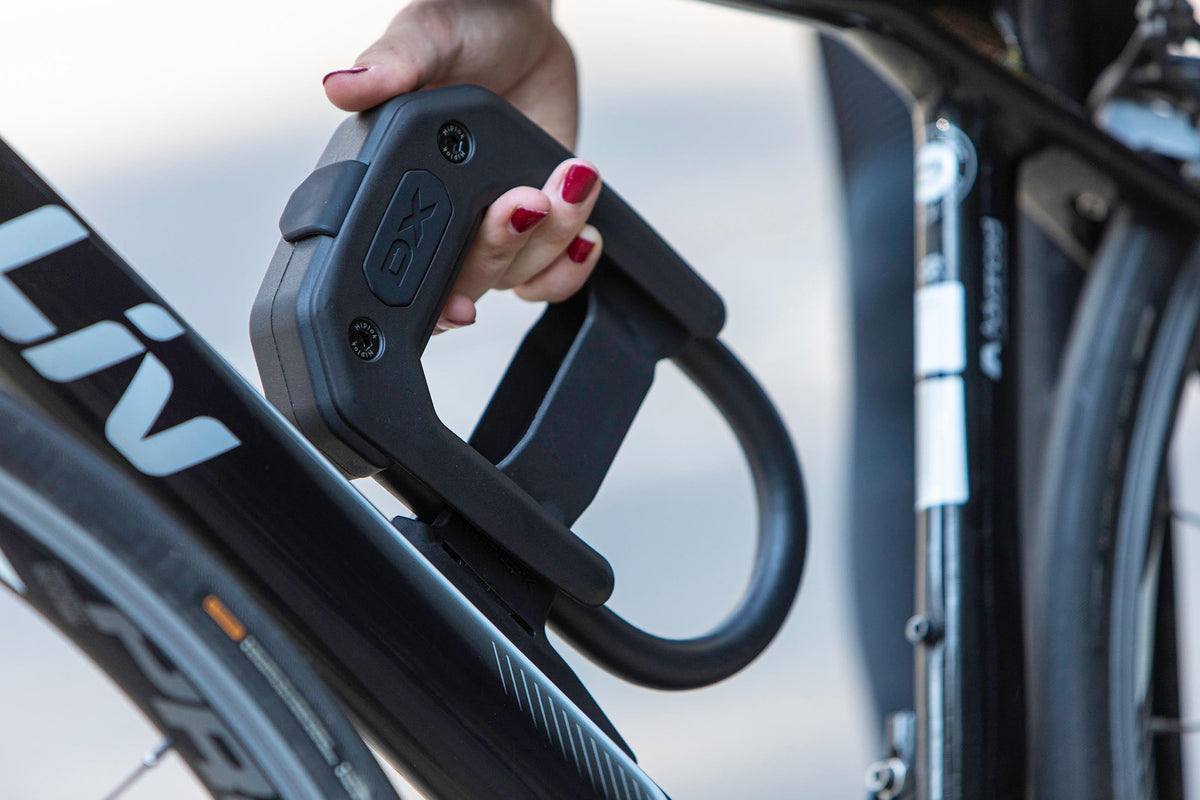
For example, you might use your primary D lock or chain lock to secure the frame to a fixed object, then use a Z LOK to secure a wheel to the frame. Its flexible shape can be particularly handy on cargo bikes and other bicycles where there are more components or less conventional frame shapes to think about.
Used this way, the Z LOK isn't replacing your primary security. It's adding another locking point and another barrier for an opportunist thief to deal with, without adding much weight to what you carry.

Securing helmets and accessories
Security ties are useful beyond the bicycle itself.
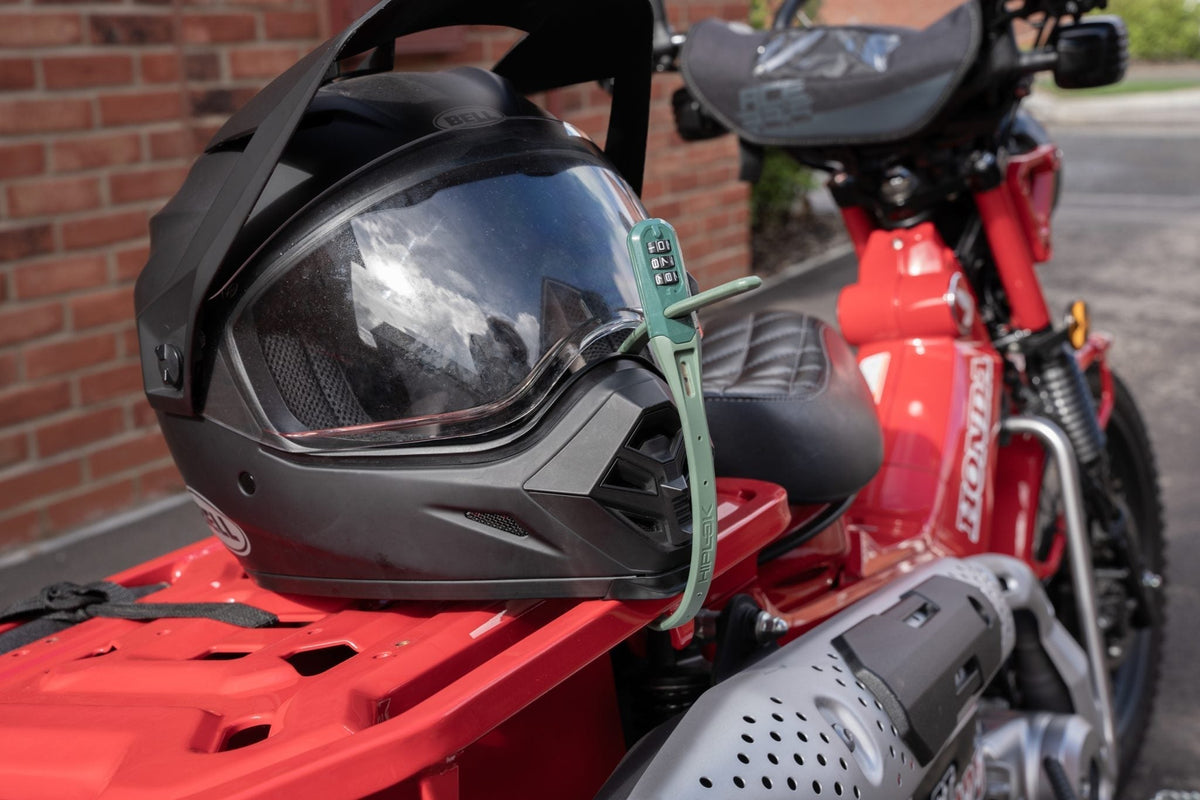
You can use a Z LOK to secure items such as a helmet or other equipment when carrying everything with you isn't practical. Its adjustable locking shape is particularly useful for awkward objects that don't fit neatly inside a conventional D lock.

Transporting bikes on a vehicle
A security tie can also add a useful layer when bikes are mounted on a car rack, particularly during brief stops where you remain close to the vehicle.
Again, the important word is brief. A lightweight security tie shouldn't be treated as the main protection for bikes left unattended on a vehicle for a long period.

When isn't a security tie enough?
The biggest mistake with zip tie bike locks is asking them to do a job they weren't designed for.
A Z LOK is built to deter opportunist theft. If someone has time to work on your lock with tools, you need substantially more resistance.
Leaving your bicycle unattended for longer periods
The longer your bicycle is left unattended, the more opportunity a thief has to assess it and attack the lock. A security tie that makes sense for a quick café stop isn't designed to be your primary protection when you're leaving the bike for several hours.
That's true even in a busy public area. A crowded cycle rack, shopping street or transport hub can feel reassuring because there are plenty of people around, but visibility alone doesn't make a bike secure. A thief may still have enough time to work on a lightly secured bike without anyone intervening.
For longer periods of unattended parking, use a more robust primary bike lock such as an appropriate D lock or chain lock. Choose your security around how long the bike will be exposed and the level of risk, rather than relying on footfall alone.
Leaving a higher-value bicycle or e-bike unattended
The more attractive the target, the more worthwhile a determined attack may appear.
If you've invested heavily in your bicycle or e-bike, or it's something you depend on every day, stepping up to a more robust primary lock makes sense. A security tie can still be useful alongside your main security, but it shouldn't be doing all the work.
Overnight parking
A zip tie lock isn't appropriate as a standalone lock for overnight parking.
Long periods out of sight give a thief time to assess the bike, return with tools and attack the security. This is where resistance time becomes much more important.
No lock is theft-proof, but a more robust lock increases the effort and time needed to attack it.
Z LOK vs a traditional bike lock
Choosing between lightweight bike locks and more substantial locks for bikes isn't really about deciding which design is universally better. They solve different problems.
| Security option | Best suited to | Portability | Intended security role |
|---|---|---|---|
| Z LOK security tie | Short stops, visible bikes, secondary locking, accessories and equipment | Extremely easy to carry | Opportunist theft deterrence |
| D lock | Longer public parking and higher-risk locations | Heavier and more substantial | Primary bike security |
| Chain lock | Flexible locking around larger objects or awkward locations | Usually heavier | Primary bike security |
| Folding lock | Riders balancing carrying convenience with stronger primary security | Compact when folded | Primary bike security, depending on model and rating |
The useful question isn't simply, “Is a zip tie lock secure?”
It’s, “Is this level of security appropriate for where I’m leaving my bike, for how long, and how attractive a target it is?”
That gives you a much better basis for choosing a lock.
If you're comparing more substantial options, our guide to Best Rated Bike Locks: How Reviews and Security Ratings Line Up explains how independent security ratings and real-world use fit together.
What should college students look for in a bike lock?
Student life makes bike security a bit of a balancing act.
You may be riding several times a day between accommodation, lectures, the library, shops and social plans. Carrying something unnecessarily bulky gets old quickly. At the same time, an affordable bike lock isn't good value if it isn't suitable for the way you actually park.
Before choosing, think about three things.
How long will you leave the bike?
A few minutes within sight is very different from an afternoon outside the library.
The longer your bike is unattended, the more important attack resistance becomes.
Where are you locking it?
Look at the rack or fixed object as well as the lock itself.
Choose something genuinely immovable and make sure a thief can't simply lift your locked bike over it or dismantle the object you've attached it to.
How much security can you realistically carry?
The best lock is one you'll actually take with you and use properly.
That's one reason portable bike locks matter so much. For some riders, that means carrying a compact D lock. For others, a security tie makes an excellent lightweight option for short stops or a secondary locking point while a stronger lock handles the main security.
If you're searching for the best D locks for regular campus parking, pay attention to security ratings, usable locking space, weight and how easily the lock fits into your everyday riding routine rather than choosing on size alone.
How to lock your bike securely on campus
Good locking technique matters whatever lock you choose.
Start by finding a solid cycle rack or another fixed object that can't easily be cut, dismantled or lifted.
When using a primary bike lock:
-
Secure the frame rather than locking only a wheel.
-
Keep the lock reasonably tight so there's less room to manipulate it.
-
Position the lock so it's awkward to access with tools.
-
Remove easily detachable accessories if you can't secure them.
-
Choose a well-used, visible parking location where possible.
You can also register your bike with an appropriate bicycle registration service. If you've ever searched “register my bike for free”, check what recognised registration options are available in your area and keep a record of your bike's frame number, photographs and identifying details.
None of those steps replaces a suitable lock, but together they make your bike a less straightforward target.

Common zip tie bike lock mistakes
A security tie is useful when it's used for the right job. Most problems come from treating lightweight security as if it offers the same resistance as a conventional primary lock.
Avoid these common mistakes:
-
Leaving a bike for hours with only a security tie. Use a more robust primary lock for extended parking.
-
Assuming a busy location means low theft risk. Lots of people nearby doesn't necessarily mean anyone will challenge a thief.
-
Locking only a removable part. If you're securing the bicycle itself, make sure the frame is part of the locking setup.
-
Using the wrong lock because it's convenient. Portability matters, but it has to be balanced against the parking situation.
-
Assuming any lock guarantees protection. Security is about increasing time, effort and deterrence, not making a bicycle impossible to steal.
Are zip tie bike locks weather-resistant?
A lock designed to travel with your bike needs to cope with normal outdoor use, and Z LOK is built as a reusable security tie for cycling and outdoor equipment.
As with any bike security product, it still makes sense to look after it. Keep the locking mechanism reasonably clean, particularly if you ride through grit, mud or winter road spray, and inspect the lock if it has been damaged or subjected to an attempted attack.
If a security product has been badly compromised, replace it rather than relying on it again.
Should you use a zip tie bike lock or step up your security?
Think in terms of the situation rather than trying to find one lock that covers absolutely everything.
A Z LOK makes sense when:
-
You're stopping briefly.
-
Your bike remains nearby or within sight.
-
You want protection against someone simply grabbing an unsecured bike.
-
You need an extremely lightweight lock to carry.
-
You want to secure a wheel or another component alongside your primary lock.
-
You're securing a helmet, accessory or piece of equipment.
Step up to a more substantial bike security lock when:
-
You're leaving your bicycle for several hours.
-
It will be out of sight.
-
You're parking in a location where theft risk is higher.
-
You're leaving it overnight.
-
Your bicycle or e-bike is particularly valuable or attractive to thieves.
For plenty of riders, the answer isn't choosing portability or stronger security. It's having the right option available for the type of ride and parking you do.
That's particularly true at college, where one day might mean a two-minute stop for coffee and the next means leaving your bike outside the library all afternoon.
Choose security that matches the stop
We like lightweight kit as much as any rider. If something fits easily into a pocket and comes with you on every ride, that convenience has real value.
But good bike security starts with being realistic about the job you're asking a lock to do.
Use a Z LOK where lightweight, quick protection against opportunist theft makes sense. When your bike will be unattended for longer, step up to a primary lock designed to provide more resistance.
That way, you're not carrying more security than you need for every five-minute stop, and you're not relying on too little when your bike really needs more protection.
Find the right lock for your bike

FAQs
What are zip tie bike locks and how do they work?
Zip tie bike locks use a flexible, adjustable tie format with added security features. Hiplok Z LOK has a reinforced steel core and ratchet locking mechanism, allowing it to fasten tightly around a bicycle, equipment or accessories.
When should I use a zip tie bike lock?
They’re best suited to short stops, situations where your bike remains close by, and as a lightweight secondary locking point for a wheel or other component. They’re designed to deter opportunist theft rather than replace a high-security primary lock for long periods.
Can I leave my bike unattended for several hours with a Z LOK?
We wouldn’t recommend using a Z LOK as the only lock for longer periods of unattended parking. Even in a busy public area, visibility alone doesn’t provide enough security. Use a more robust primary lock such as an appropriate D lock or chain lock.
Is a Z LOK better than carrying no lock for a café stop?
Yes, that’s exactly the sort of situation lightweight security is designed for. A Z LOK creates a physical barrier against someone simply taking an unsecured bike during a short stop, while remaining extremely easy to carry.
Can I use a zip tie lock for helmets and accessories?
Yes. Z LOK’s adjustable design makes it useful for securing helmets and other equipment as well as for short-stop bicycle security.
Share:
Best Rated Bike Locks: How Reviews and Security Ratings Line Up
How to Choose the Right Size U Lock for Your E-Bike Frame and Parking Spots